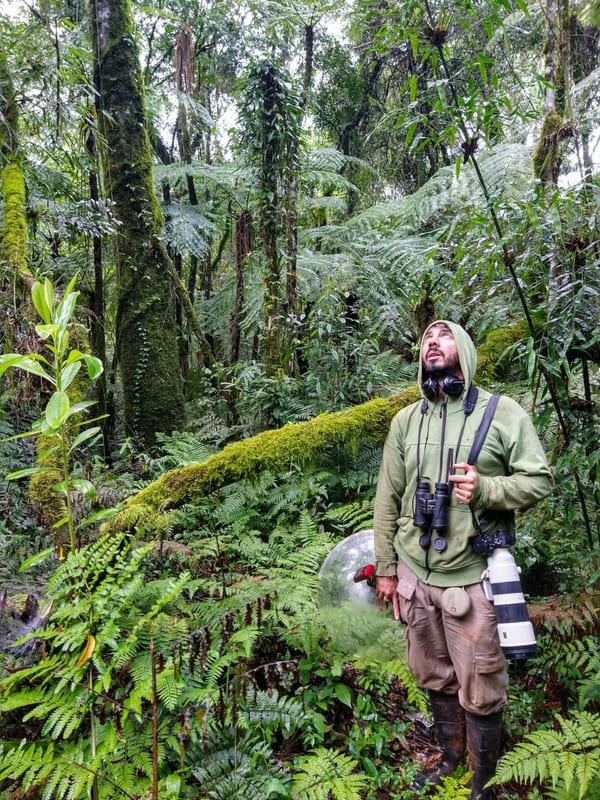
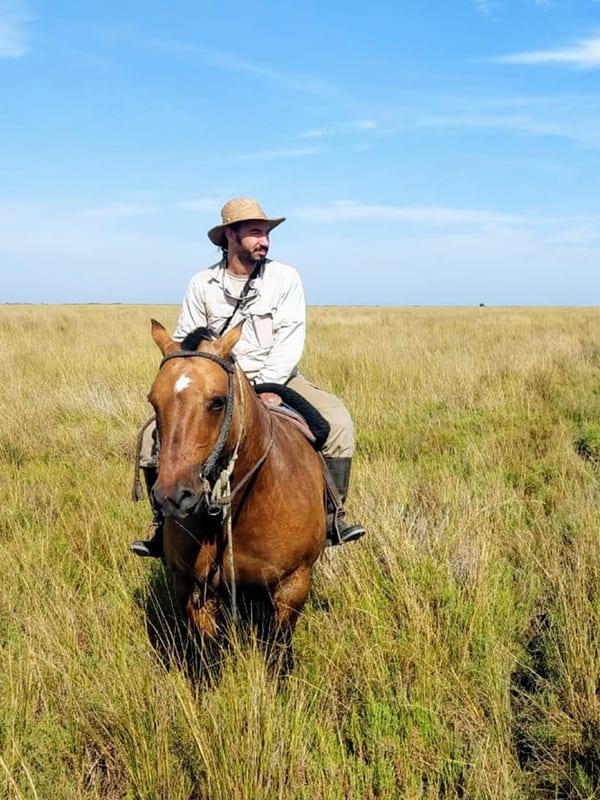
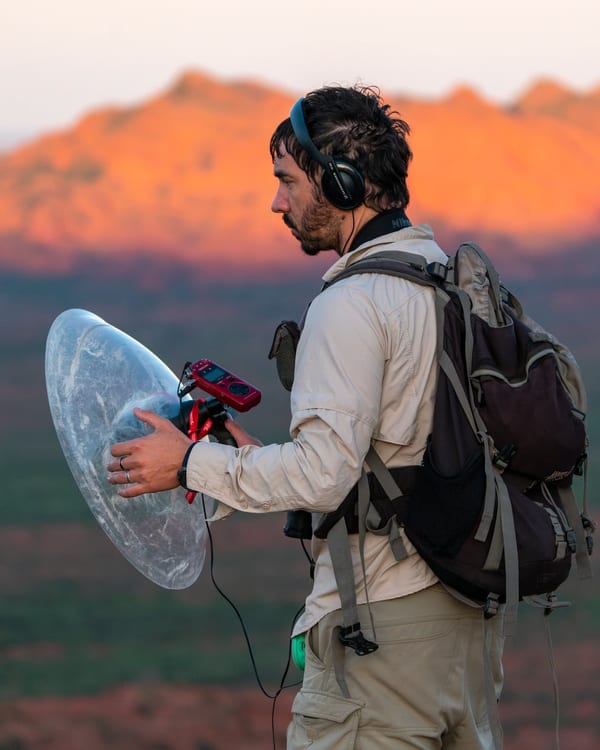
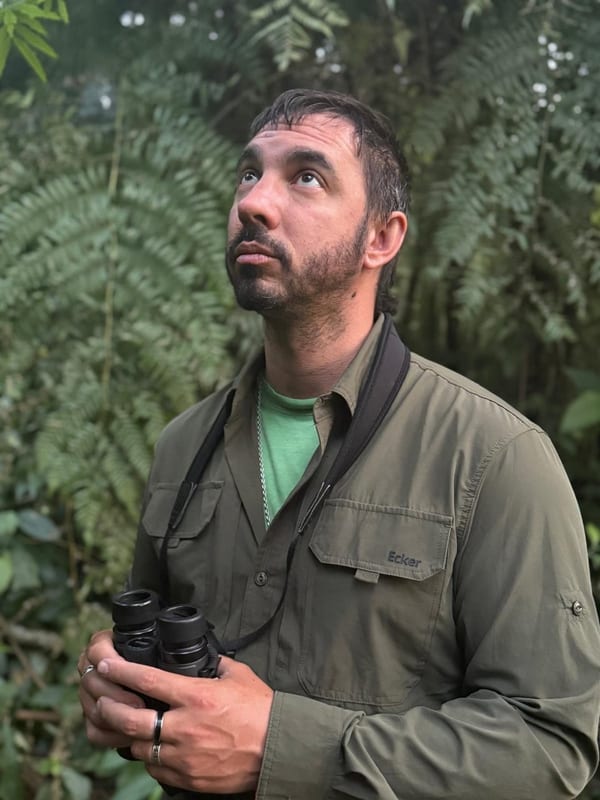
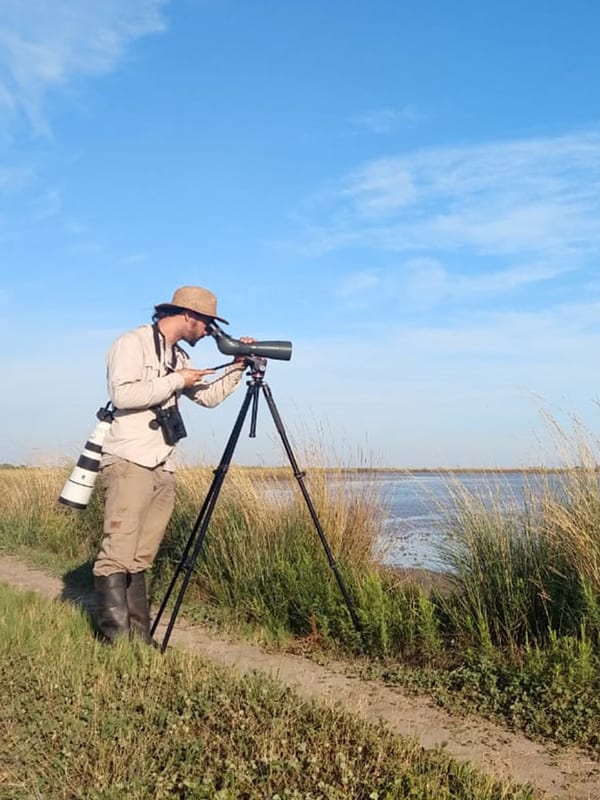
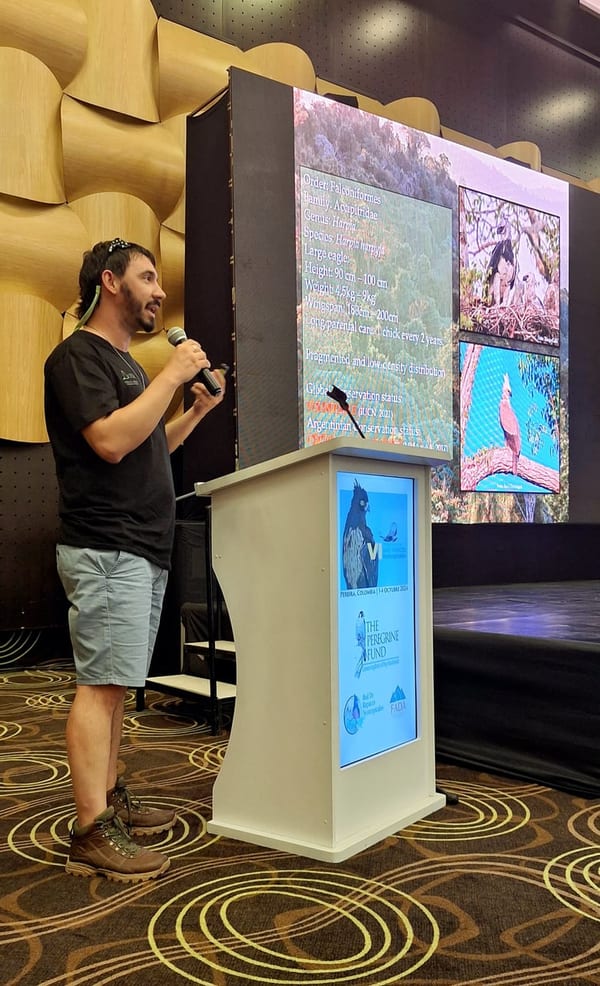
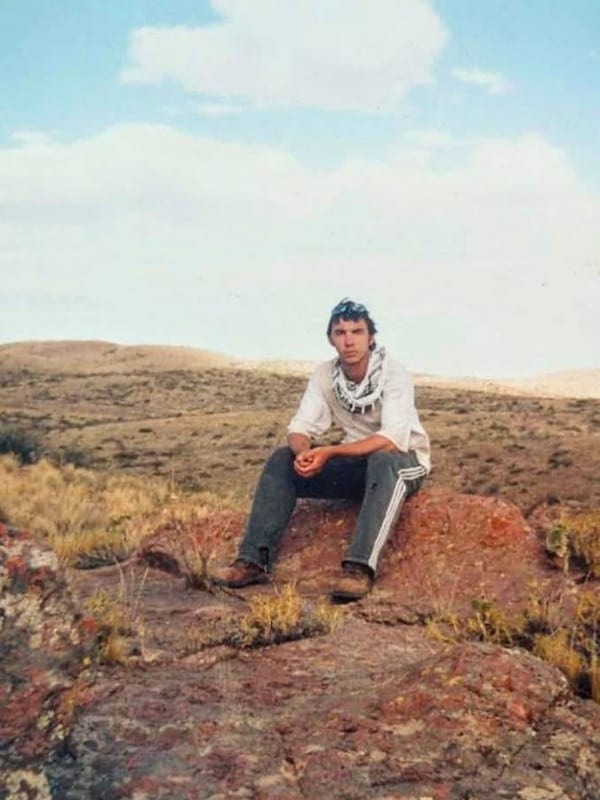
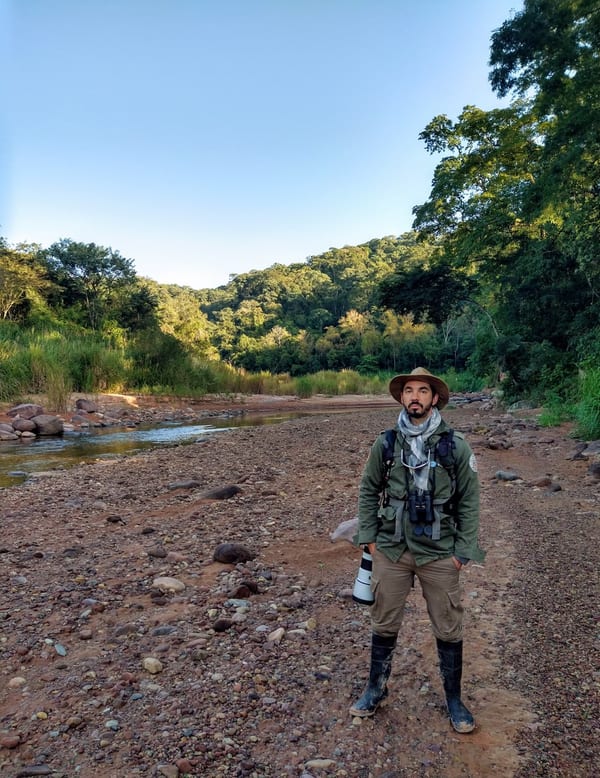
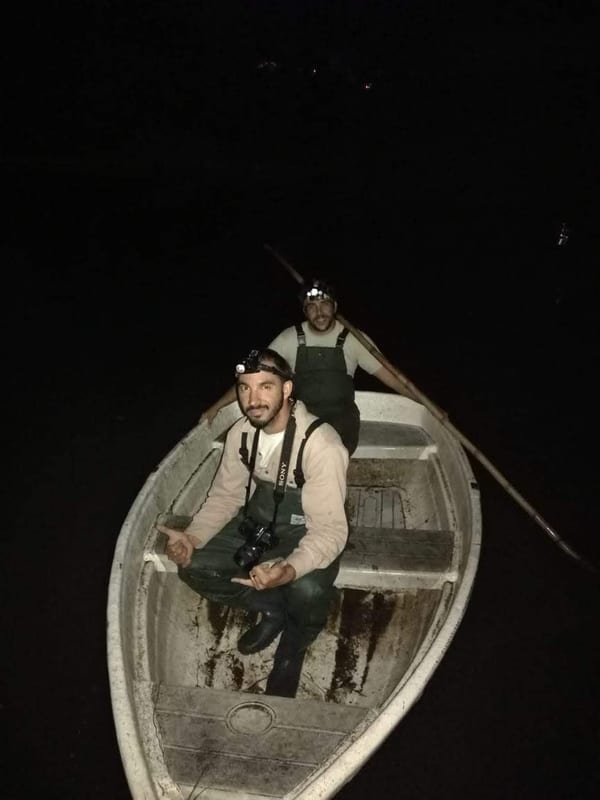
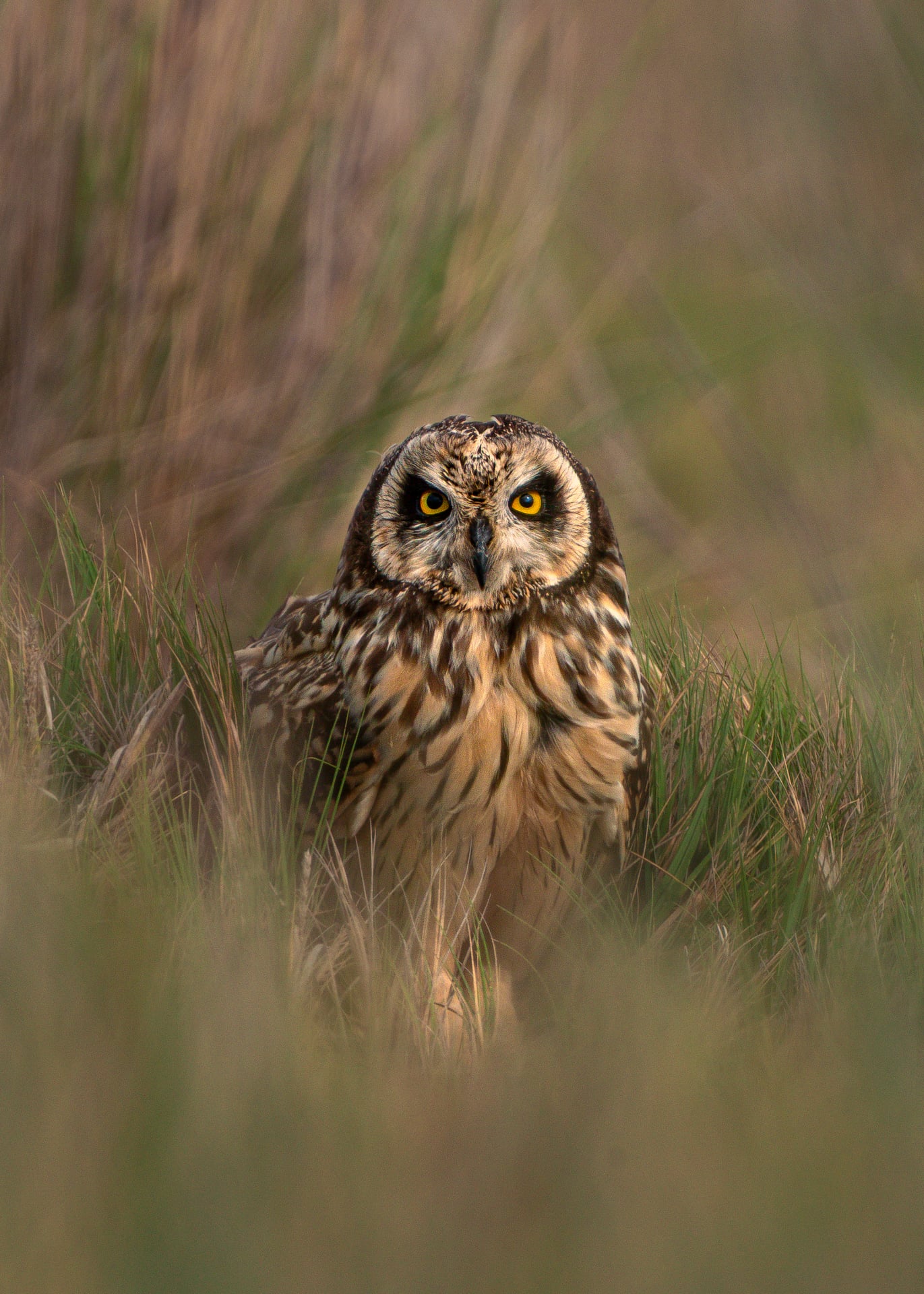
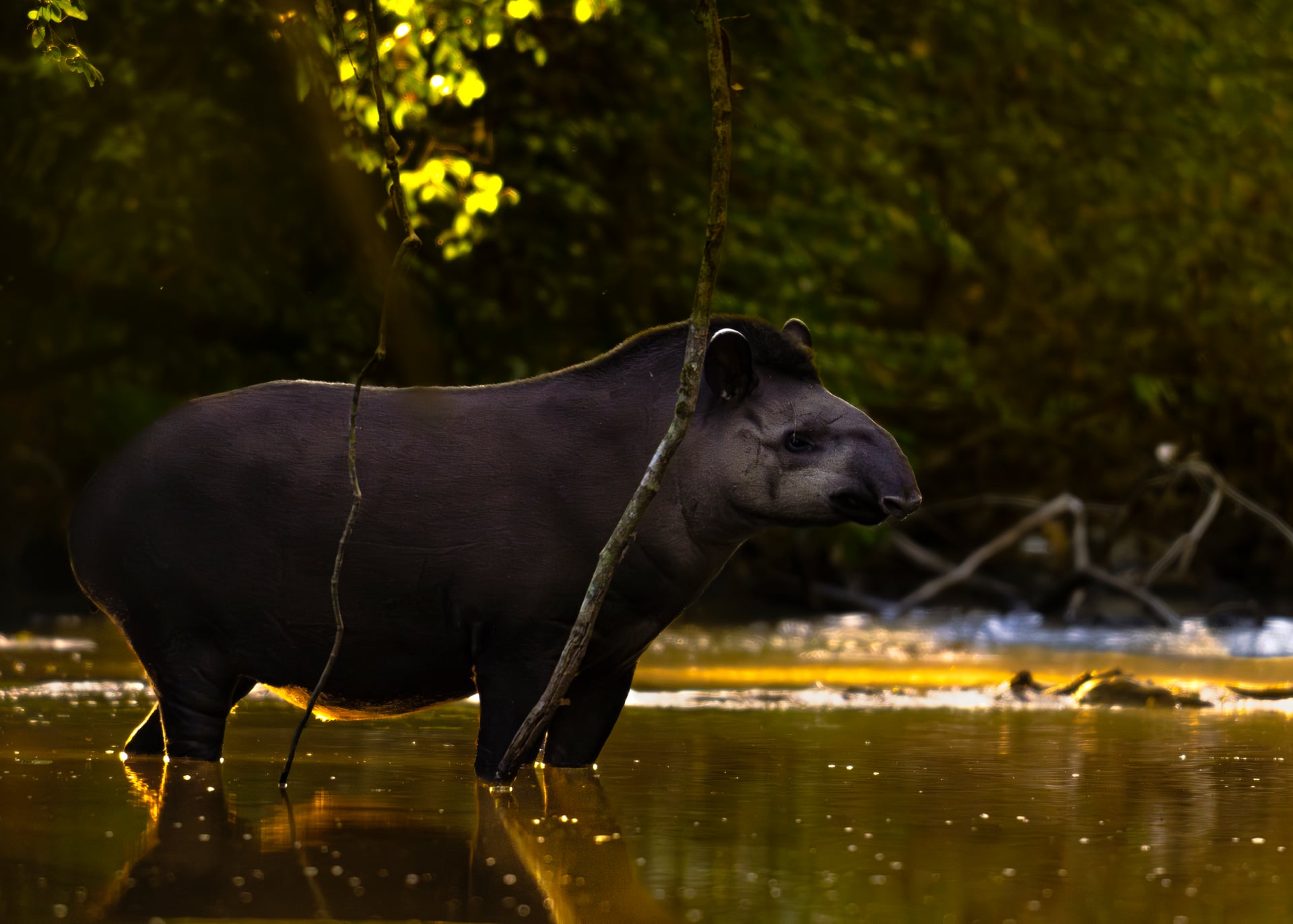
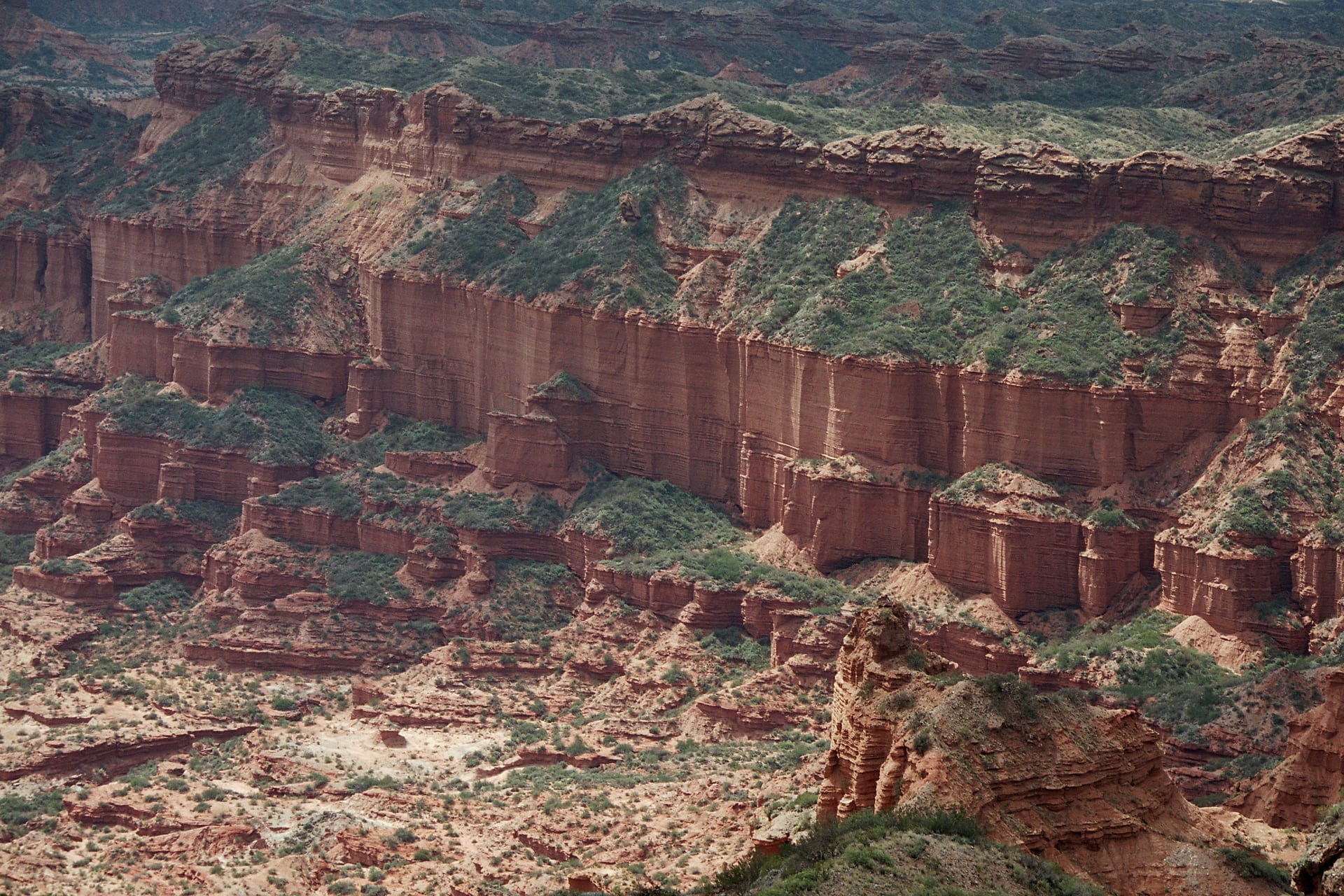
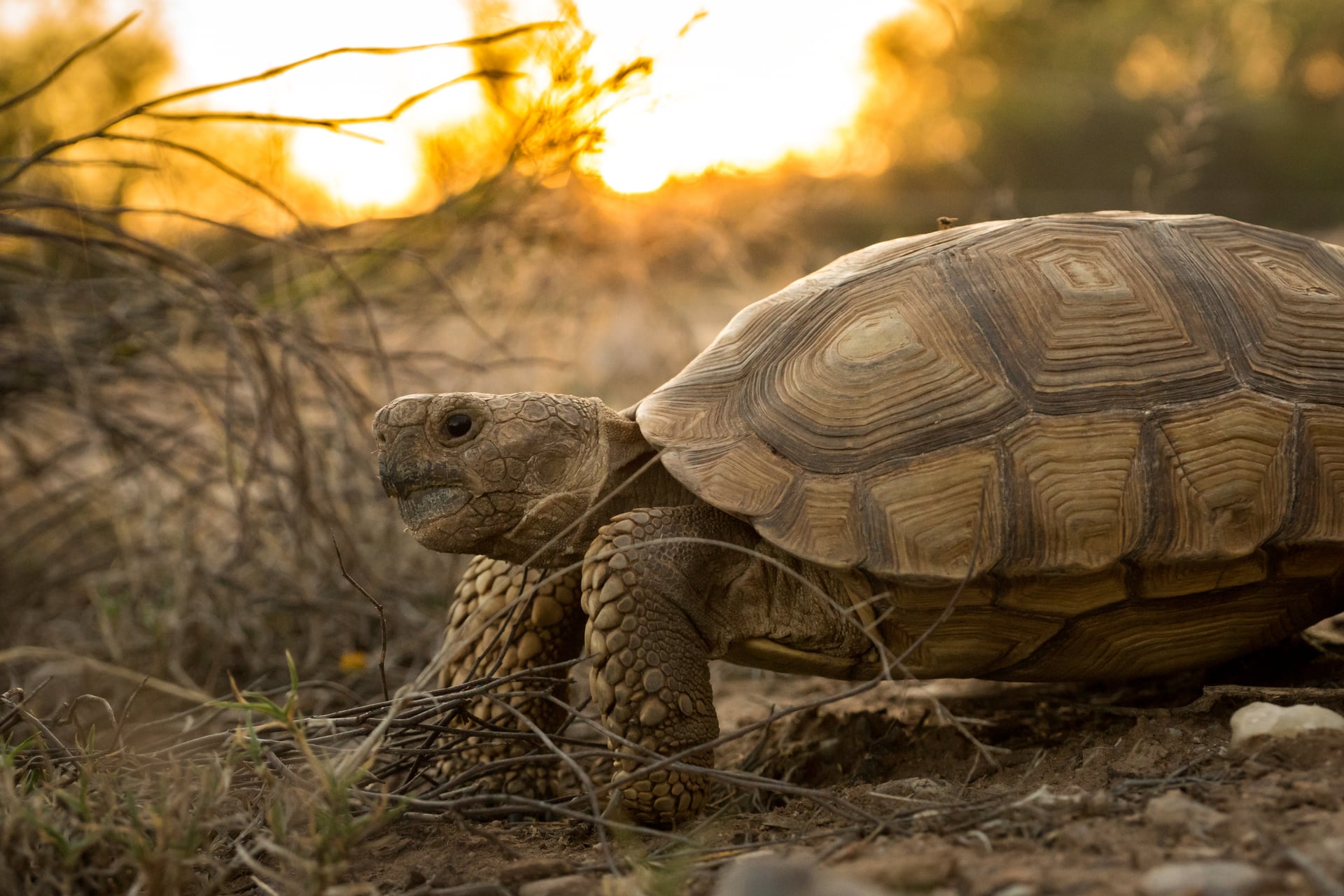
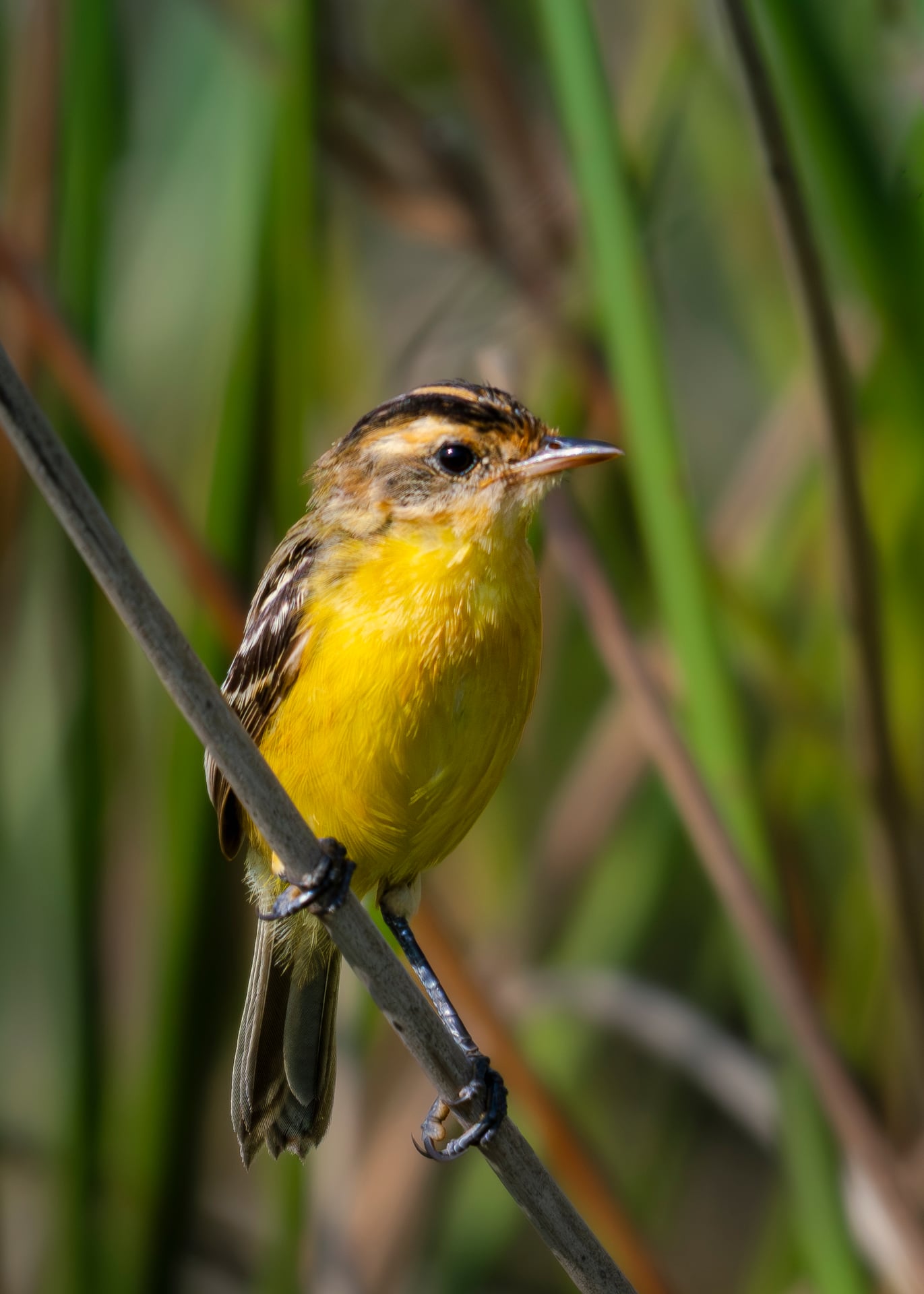
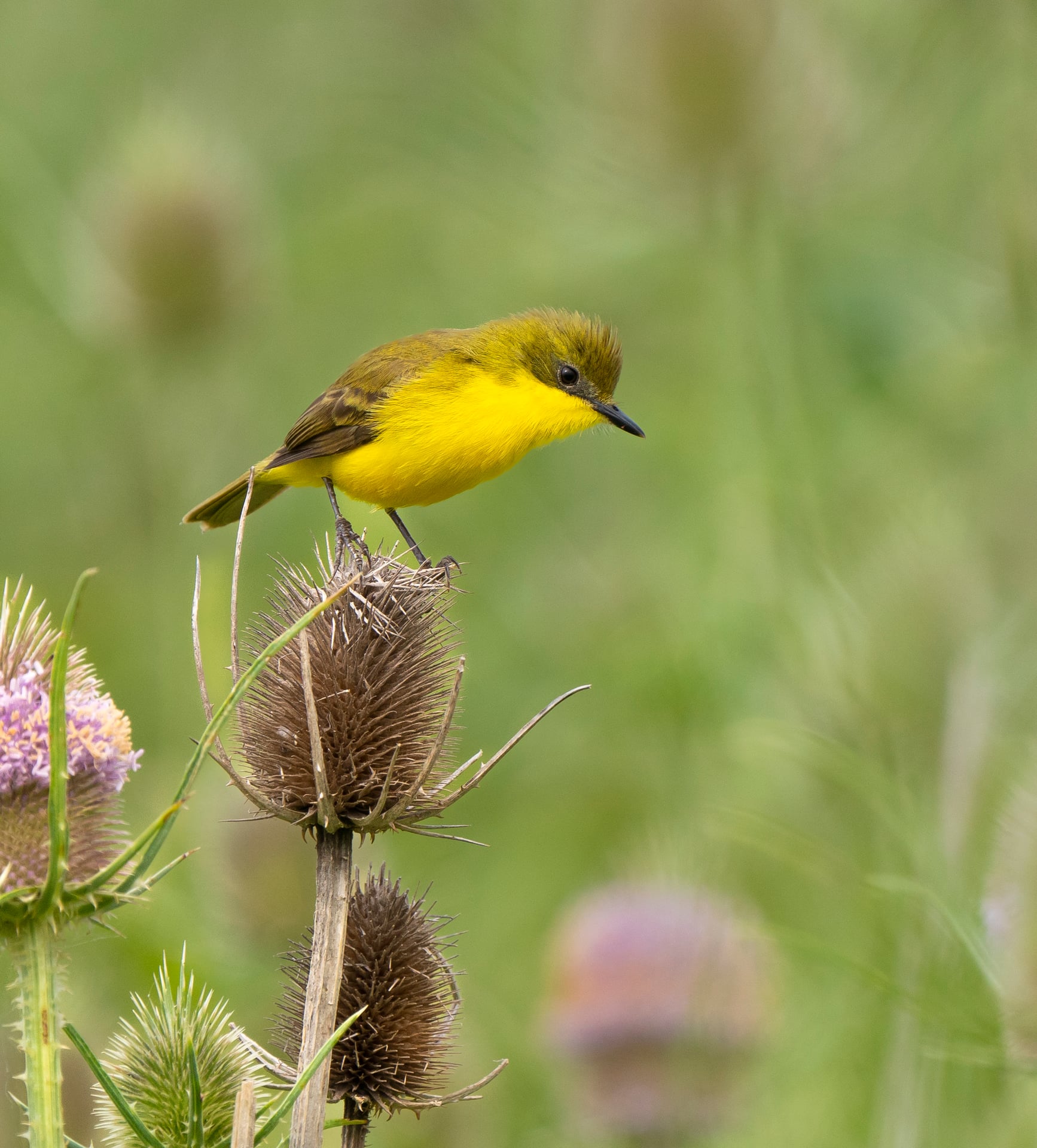
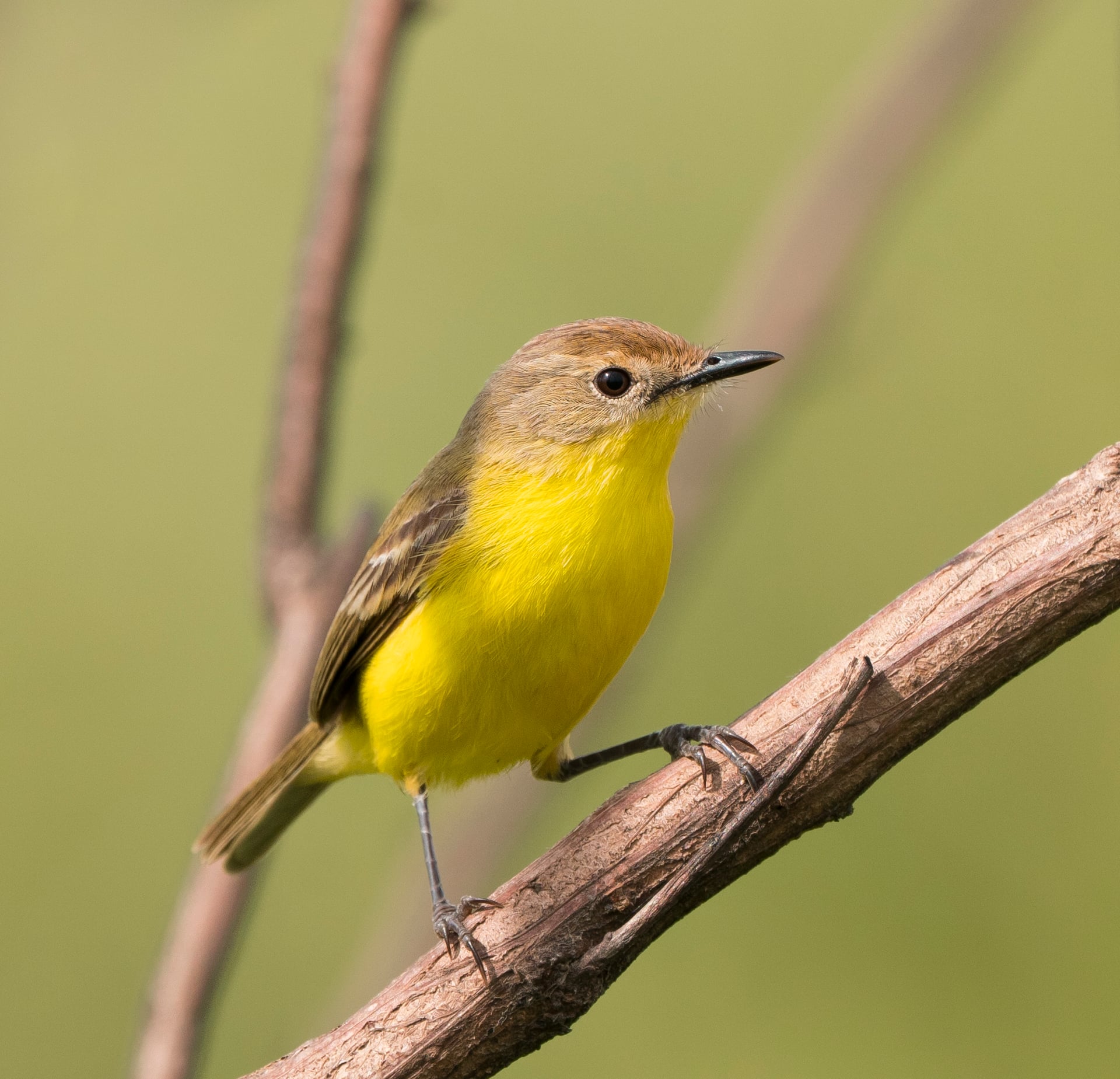
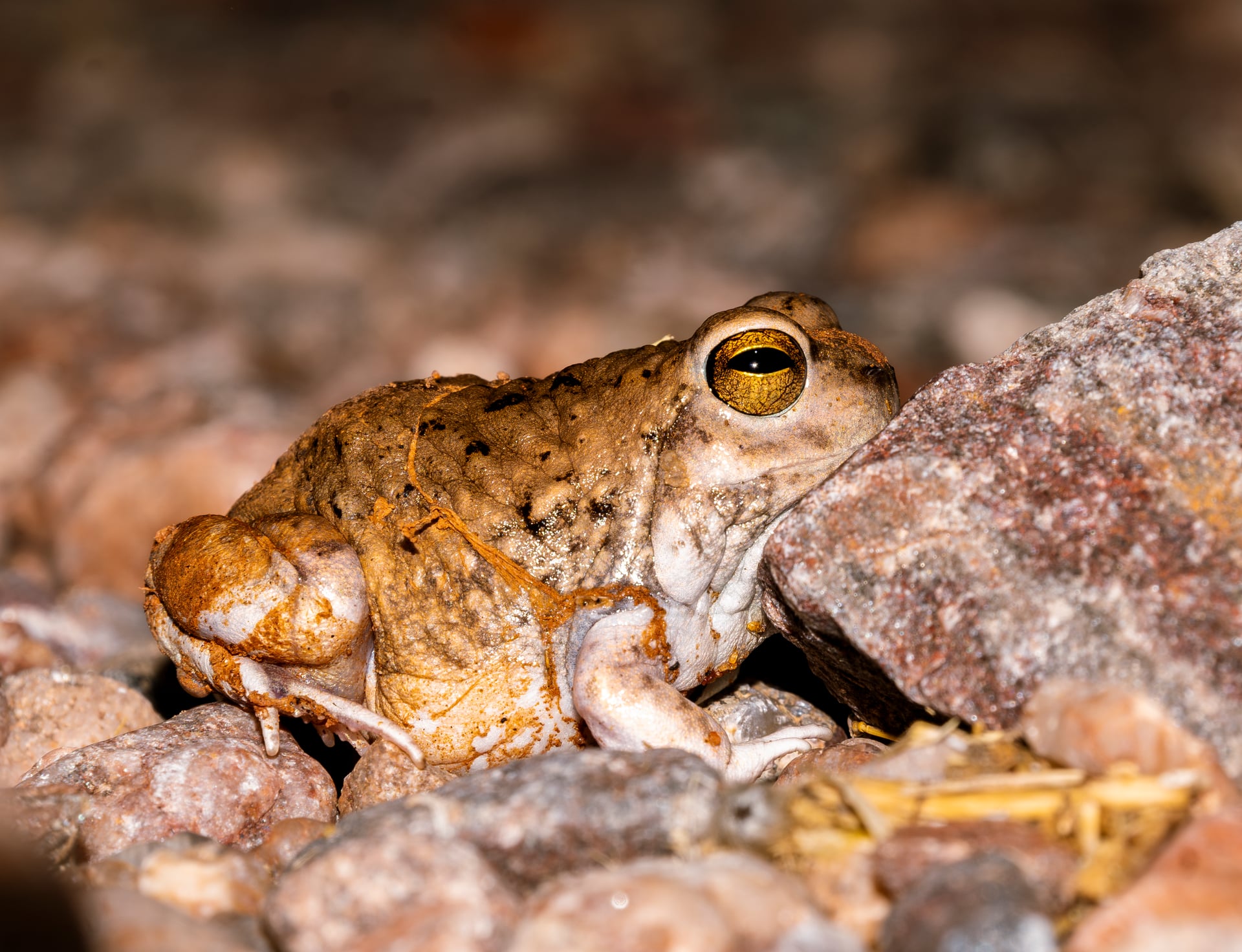
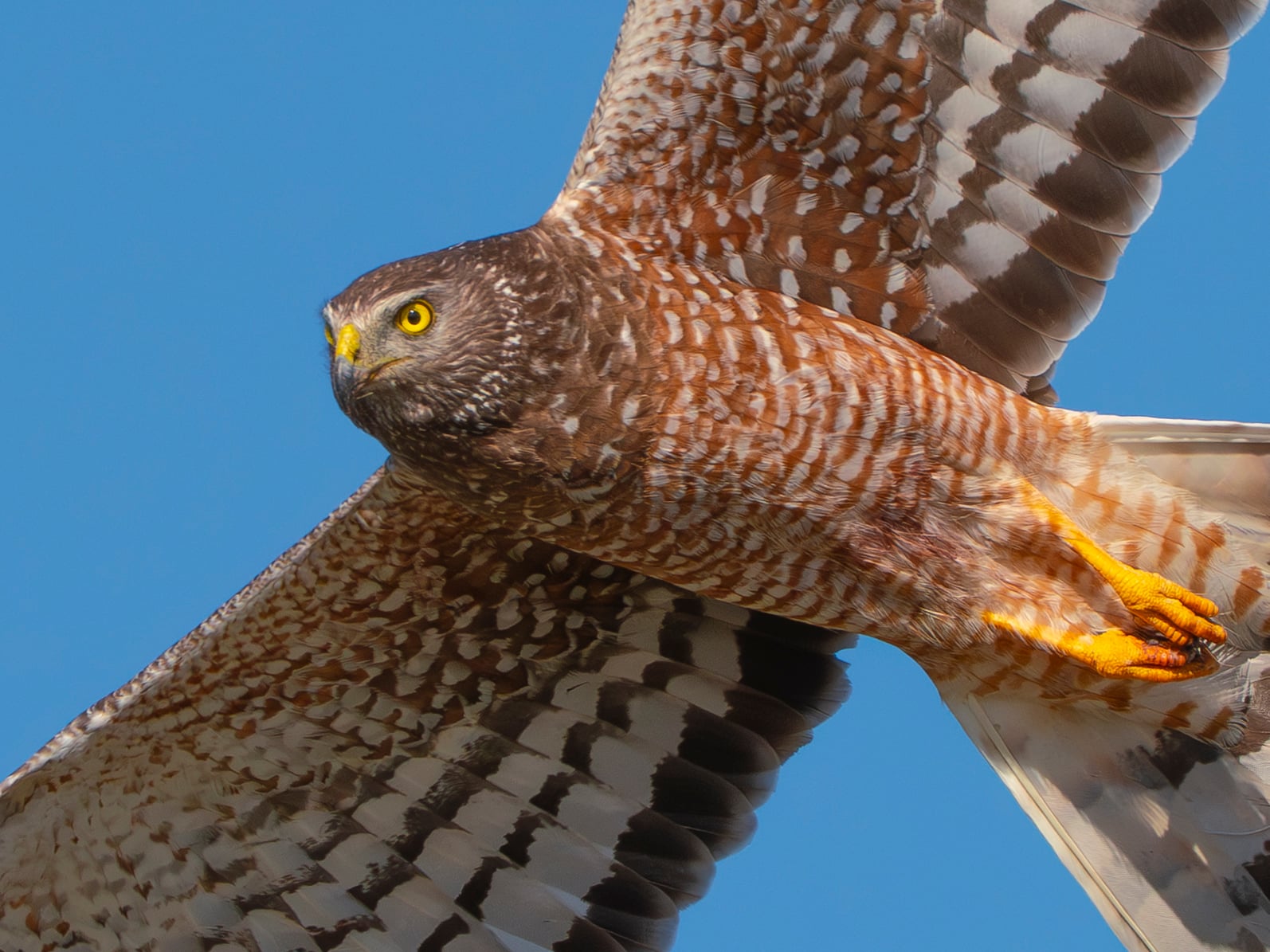
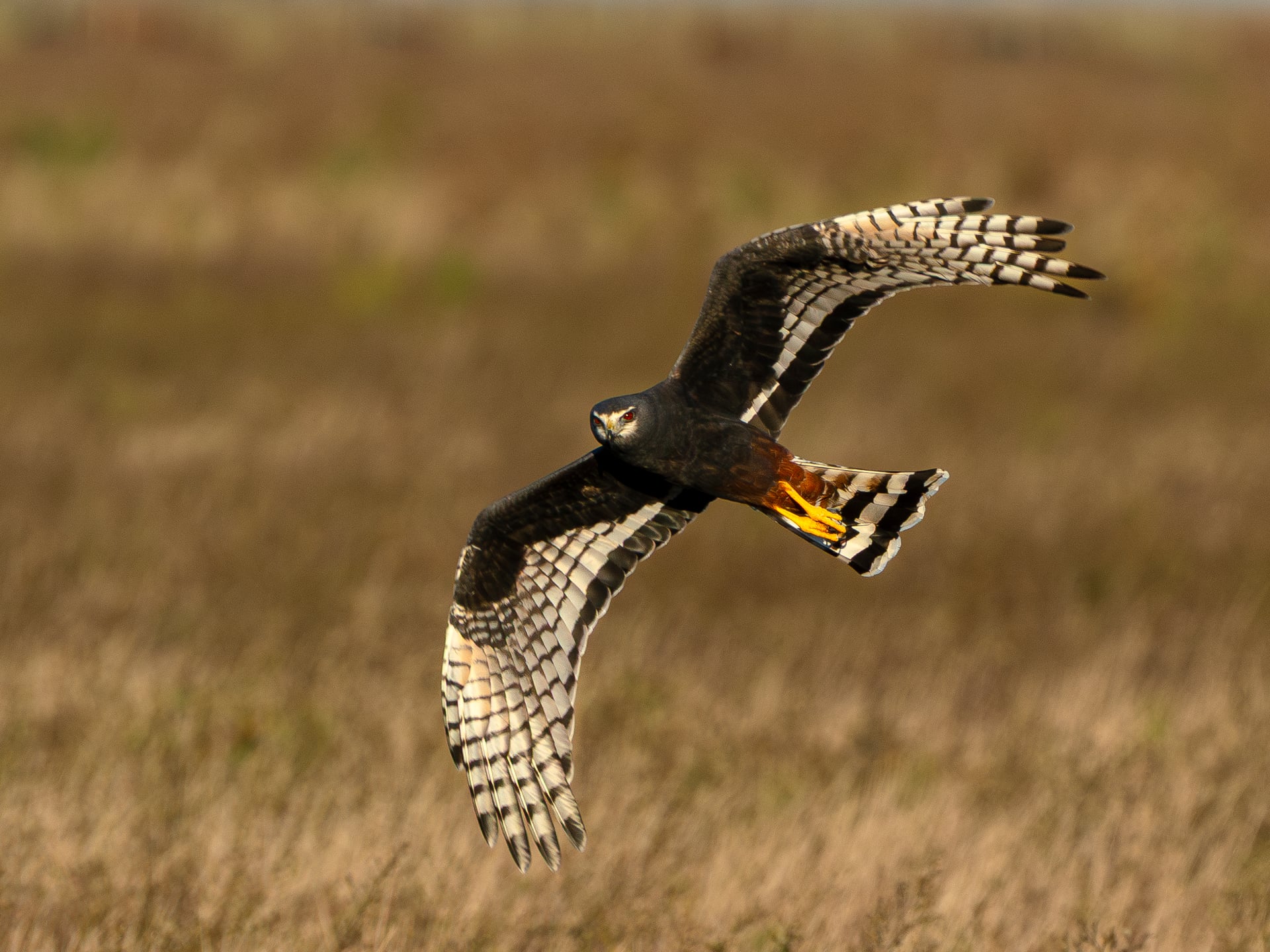
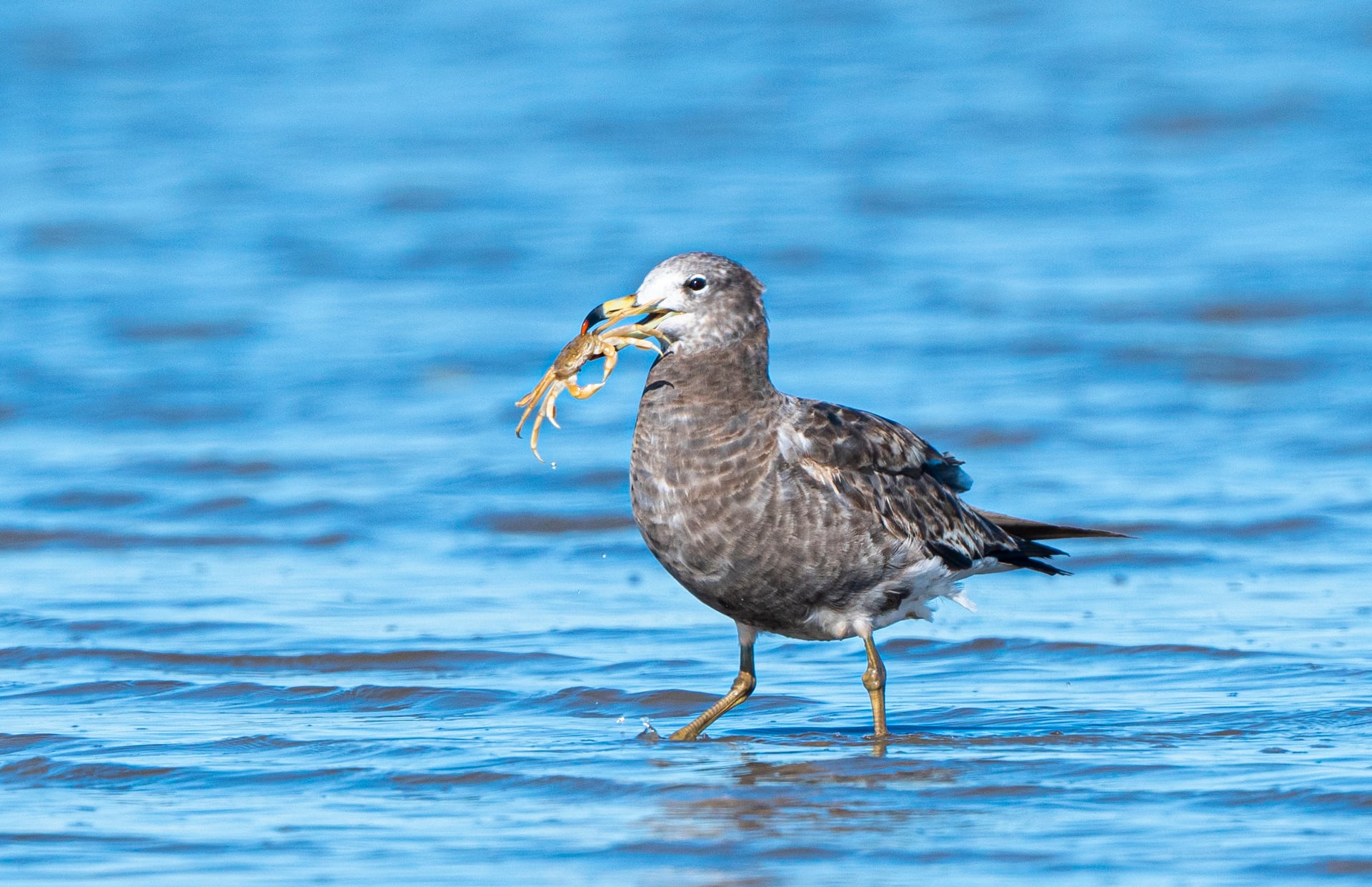
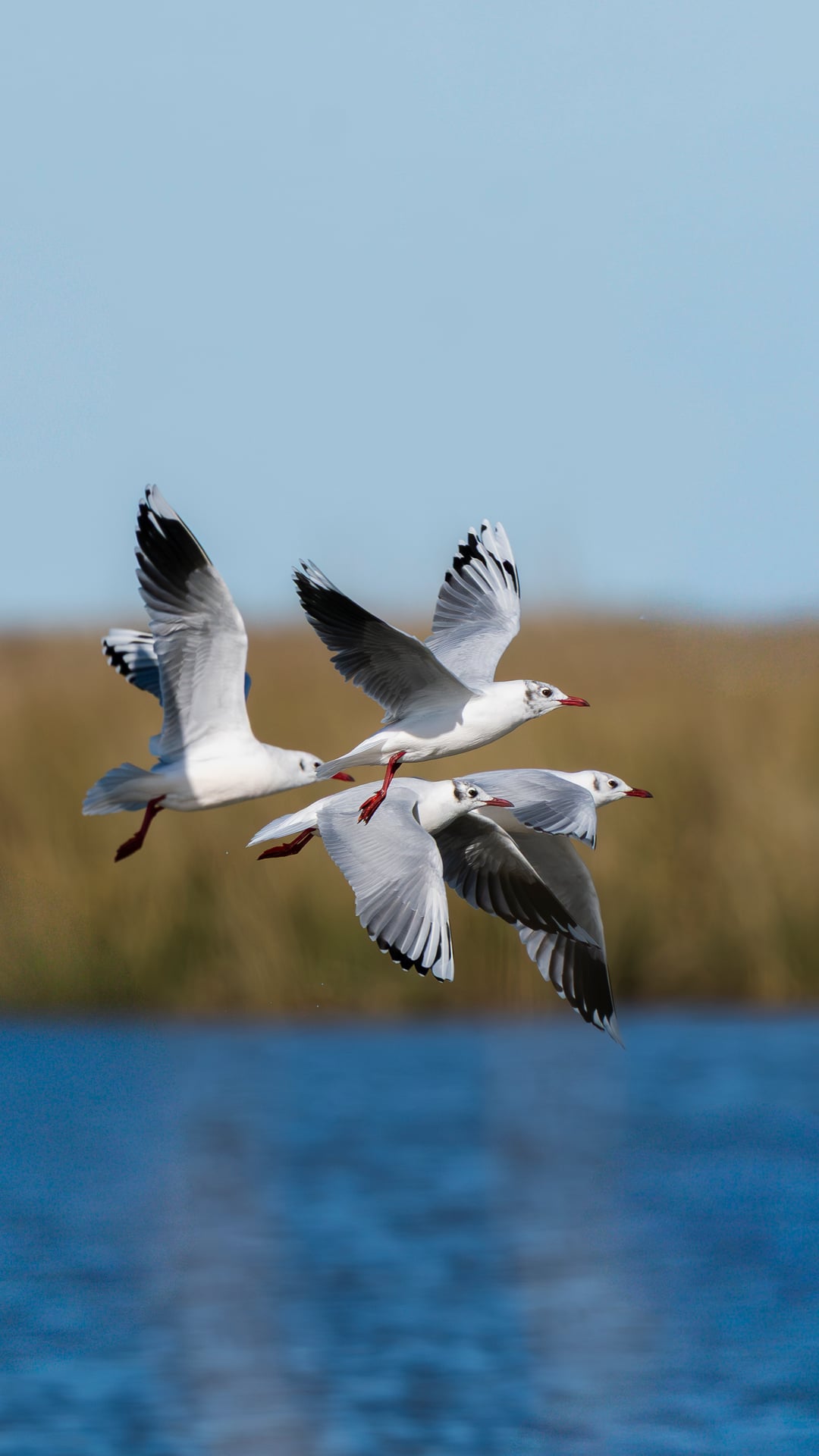
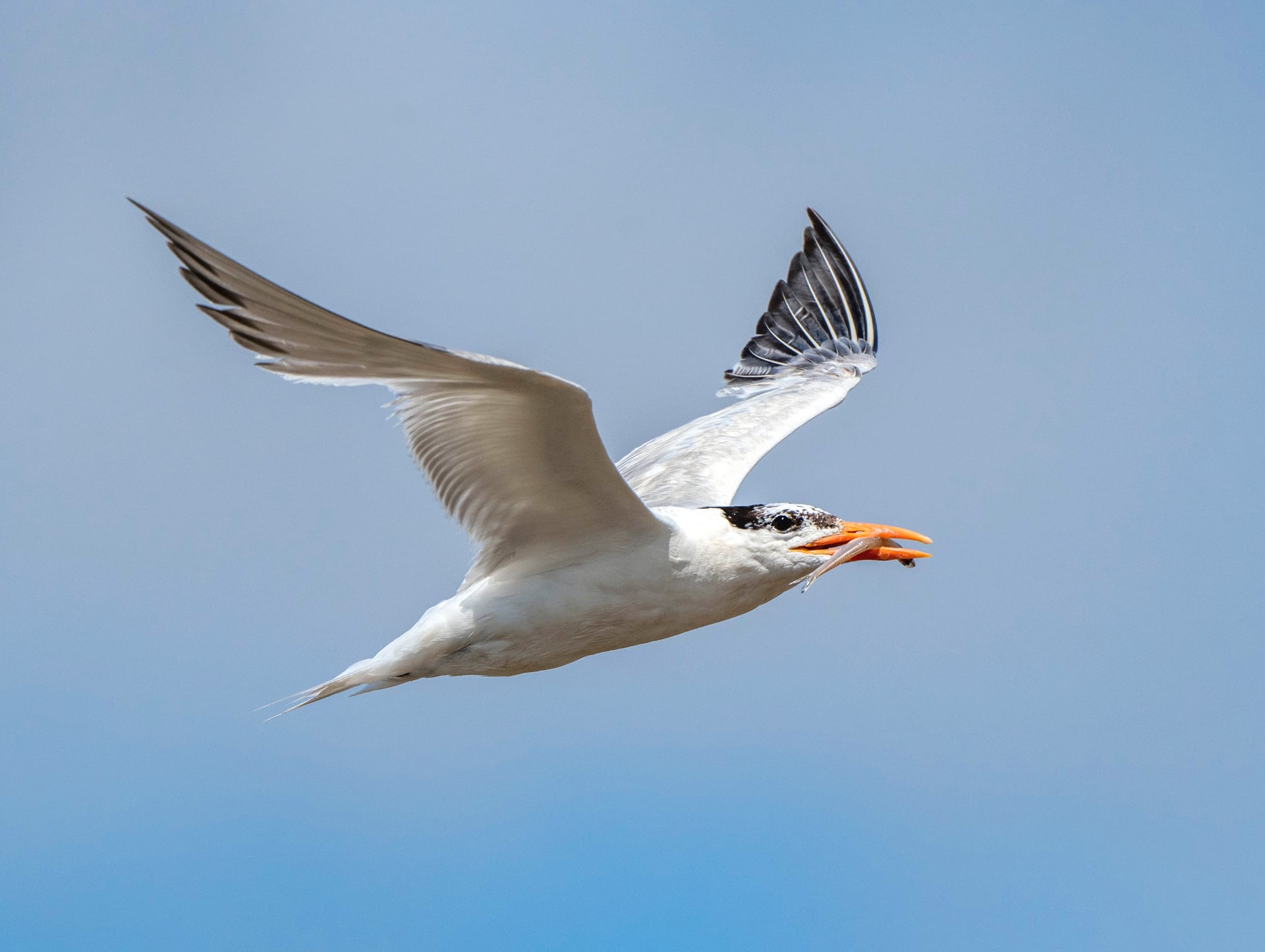
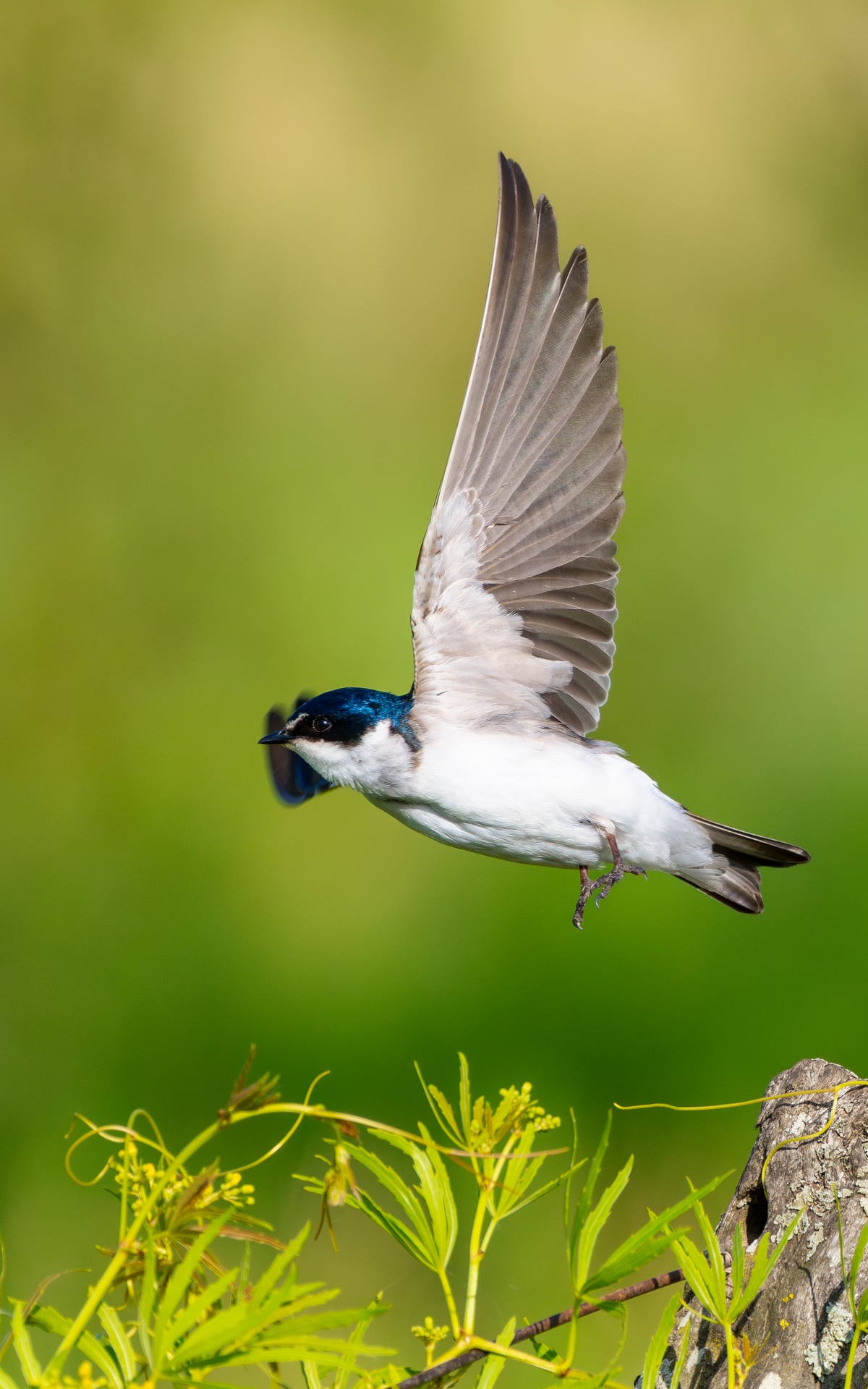
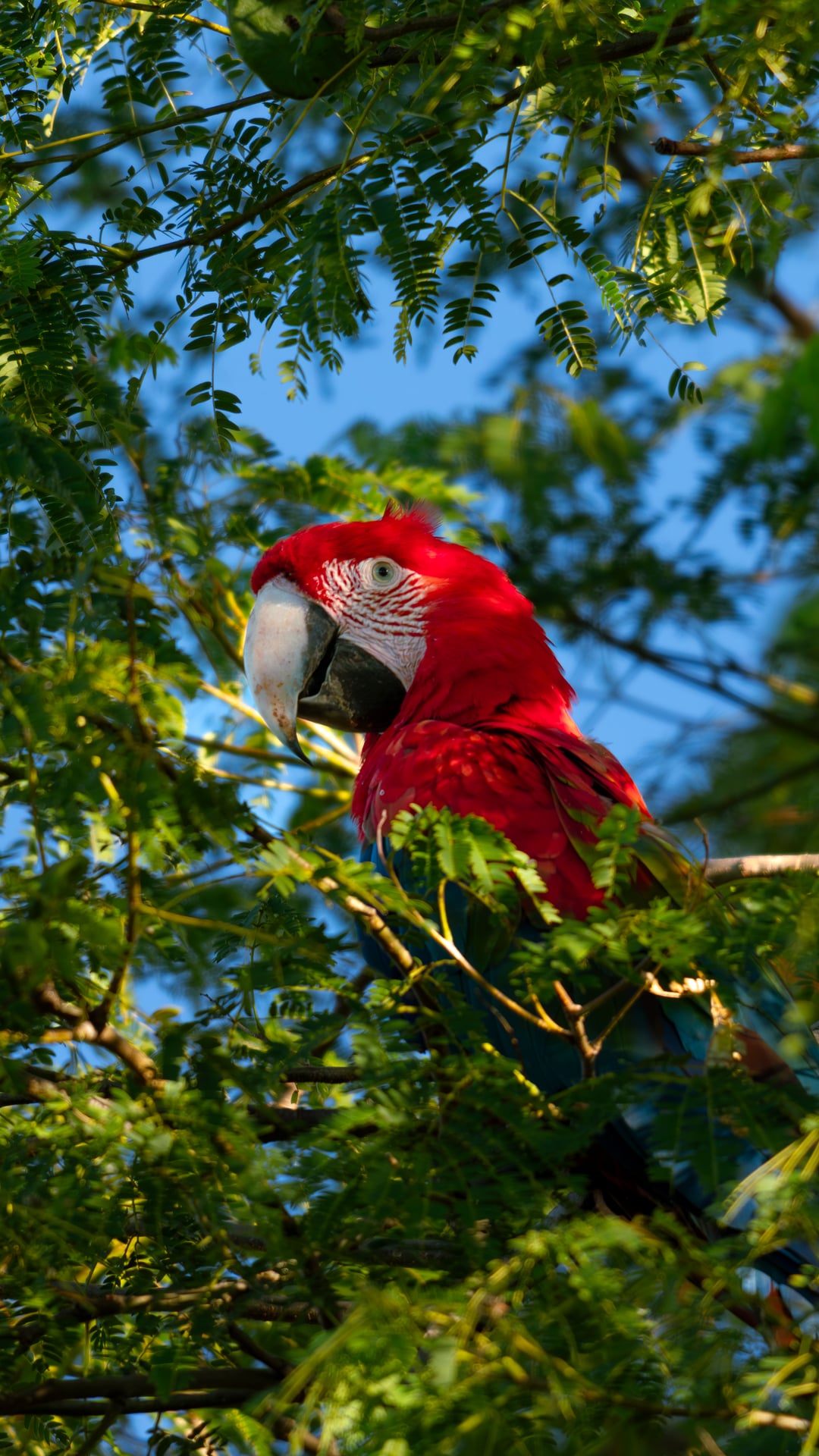
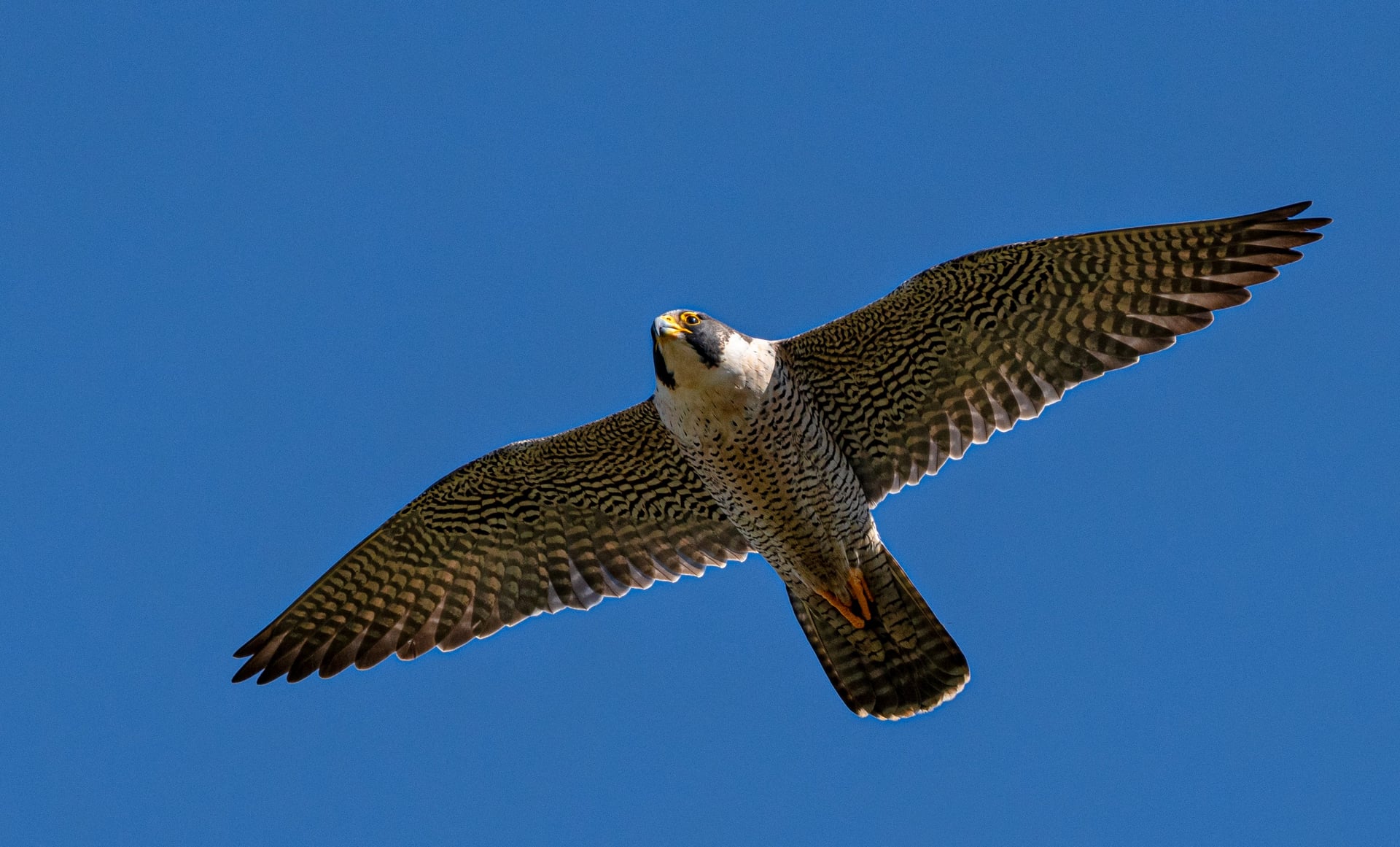
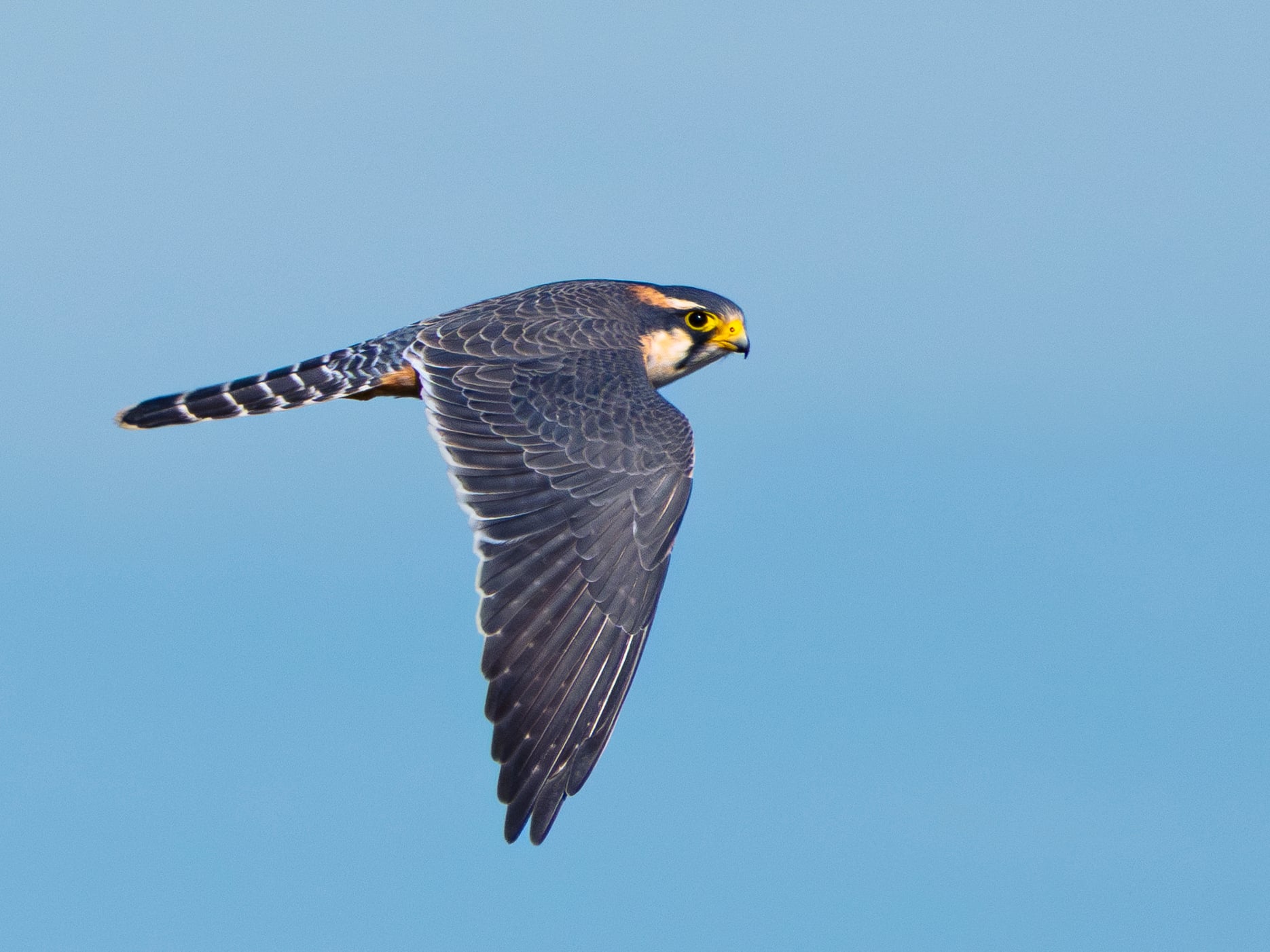
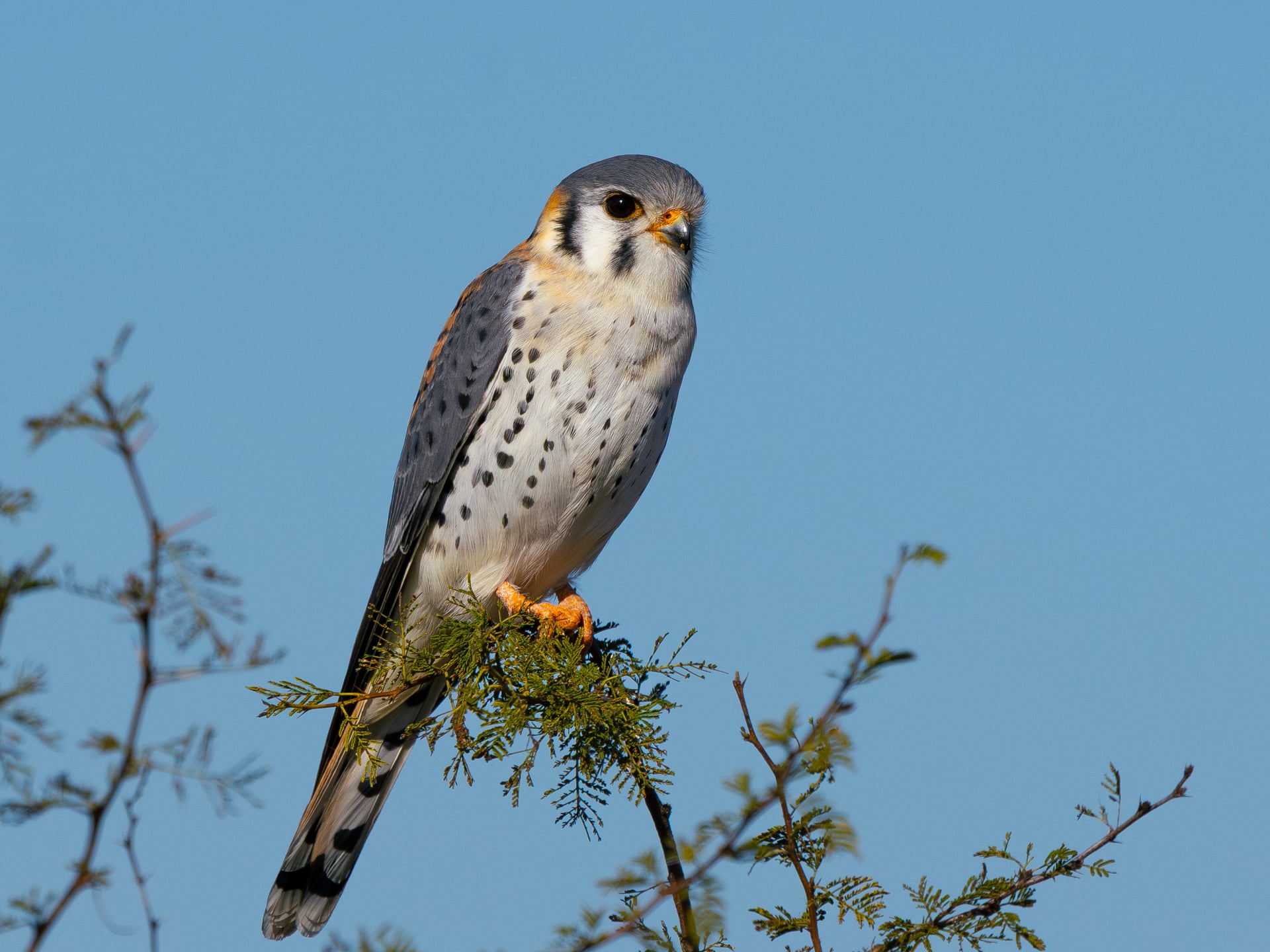
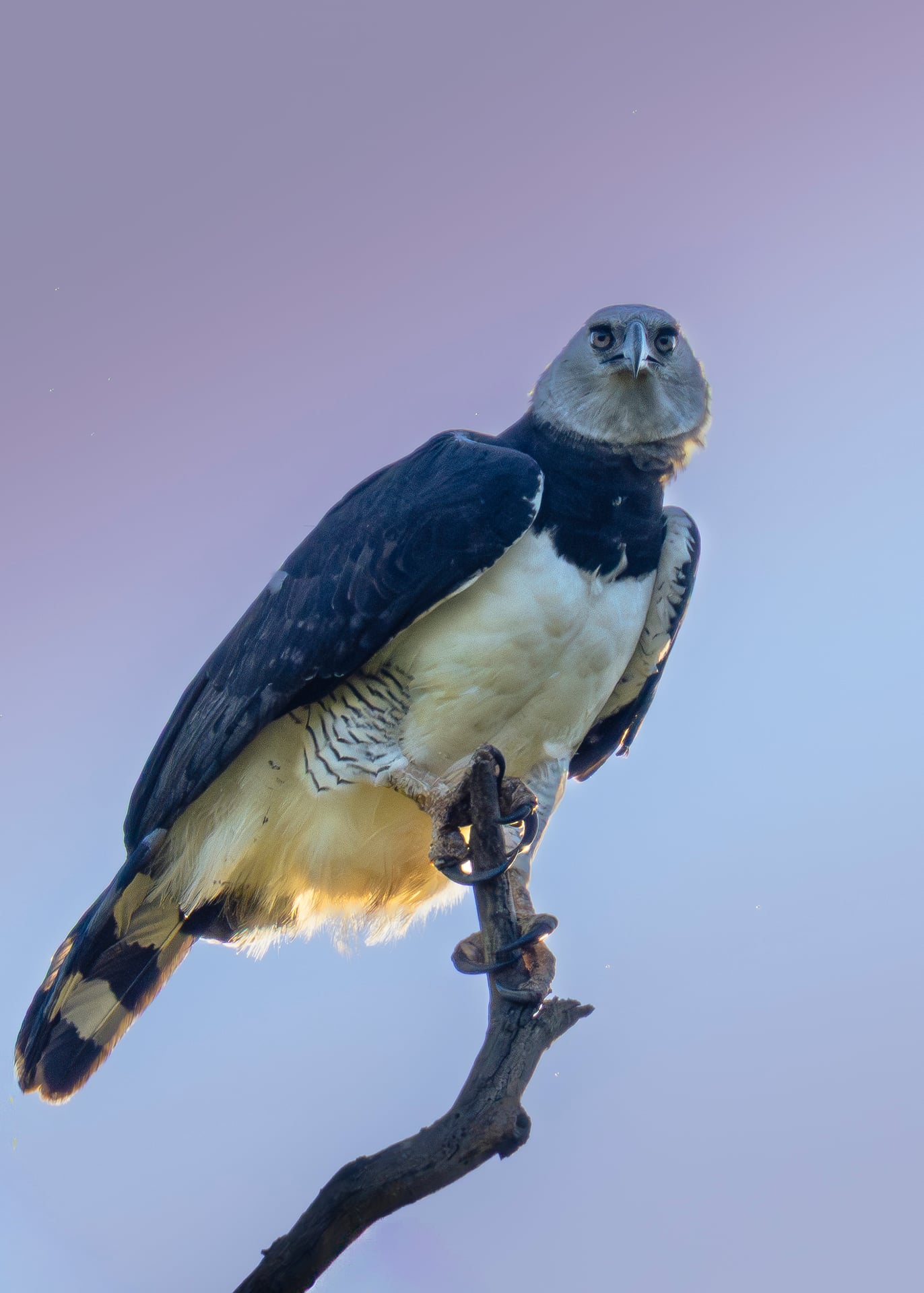
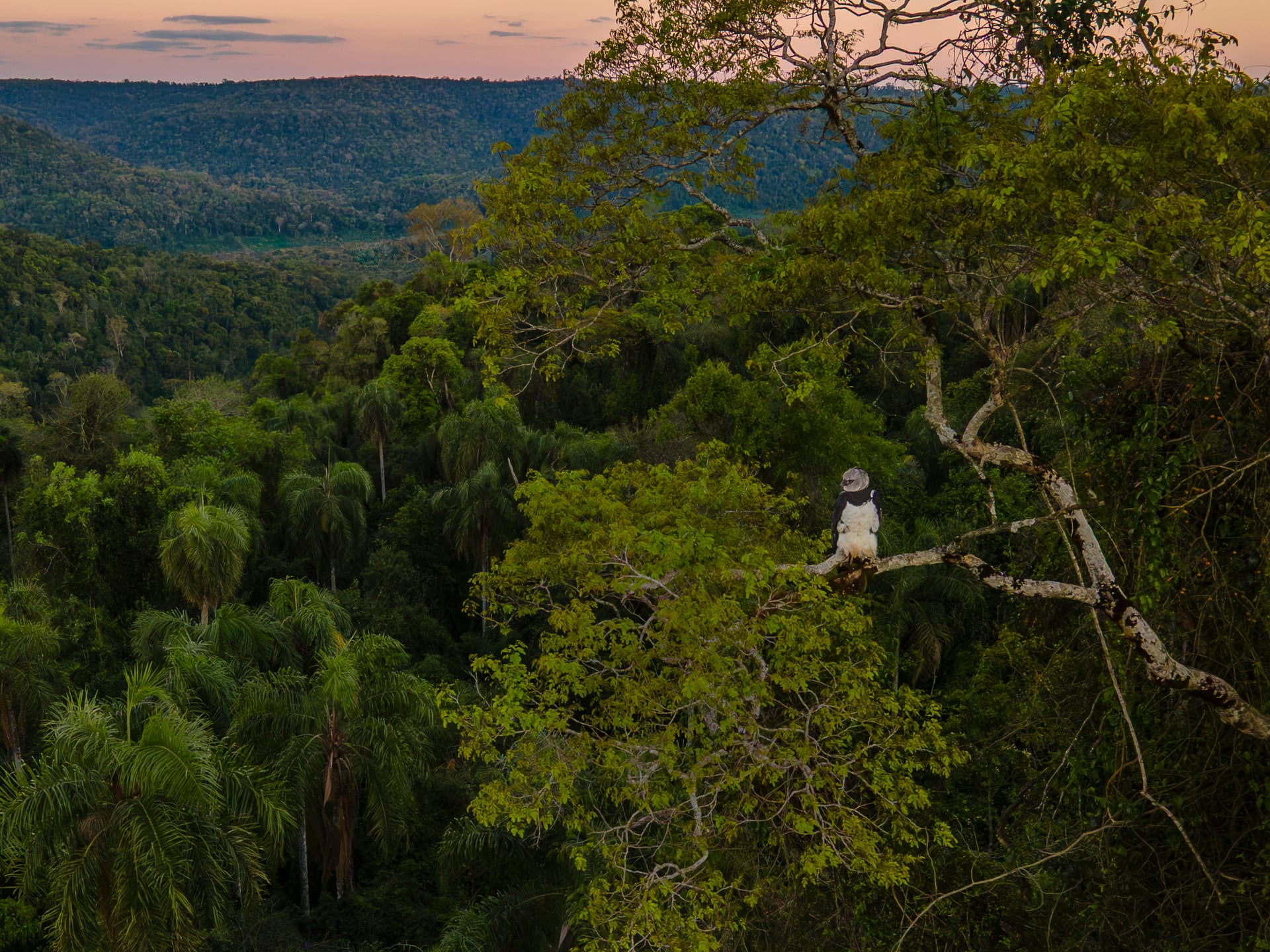
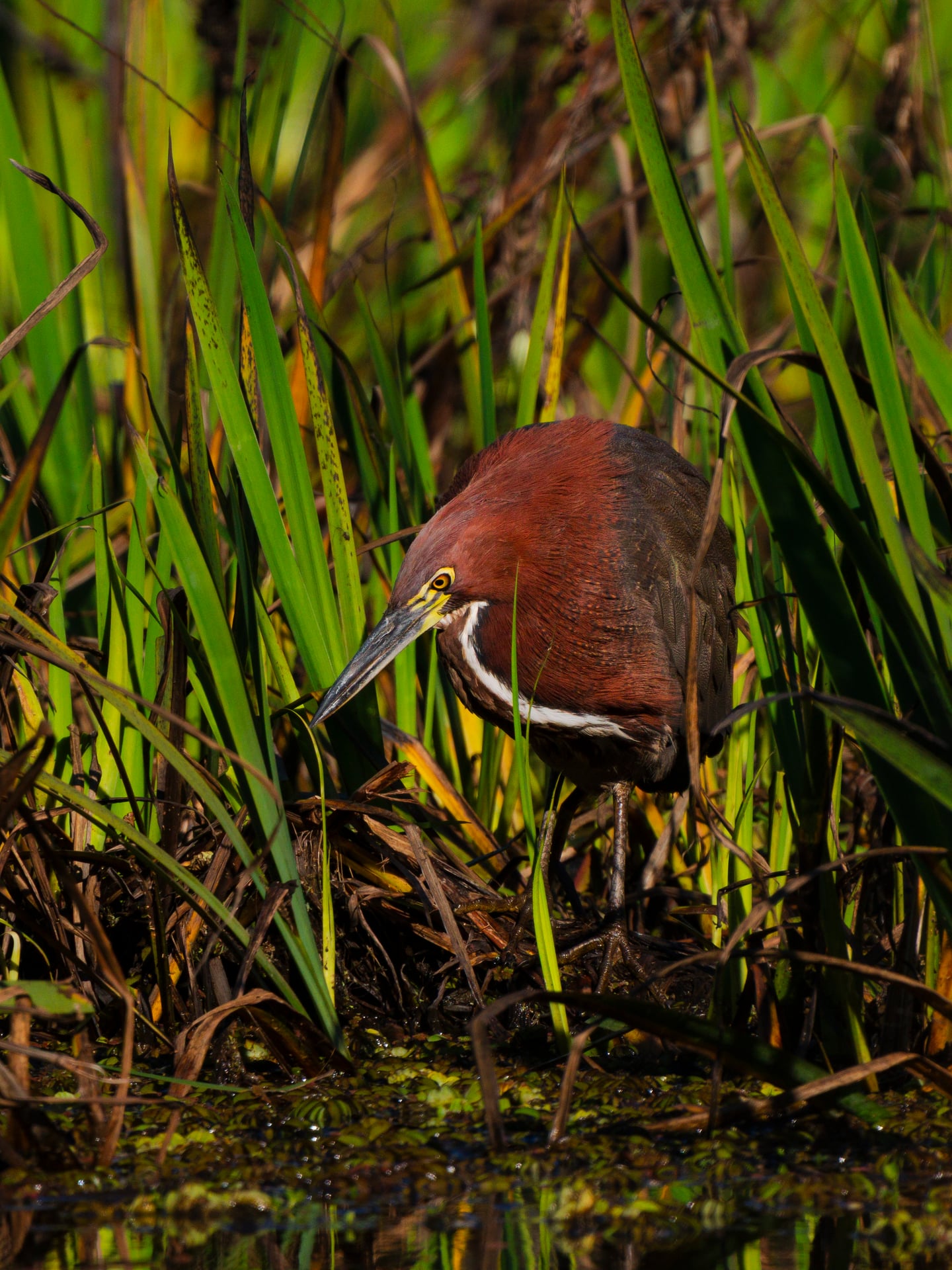
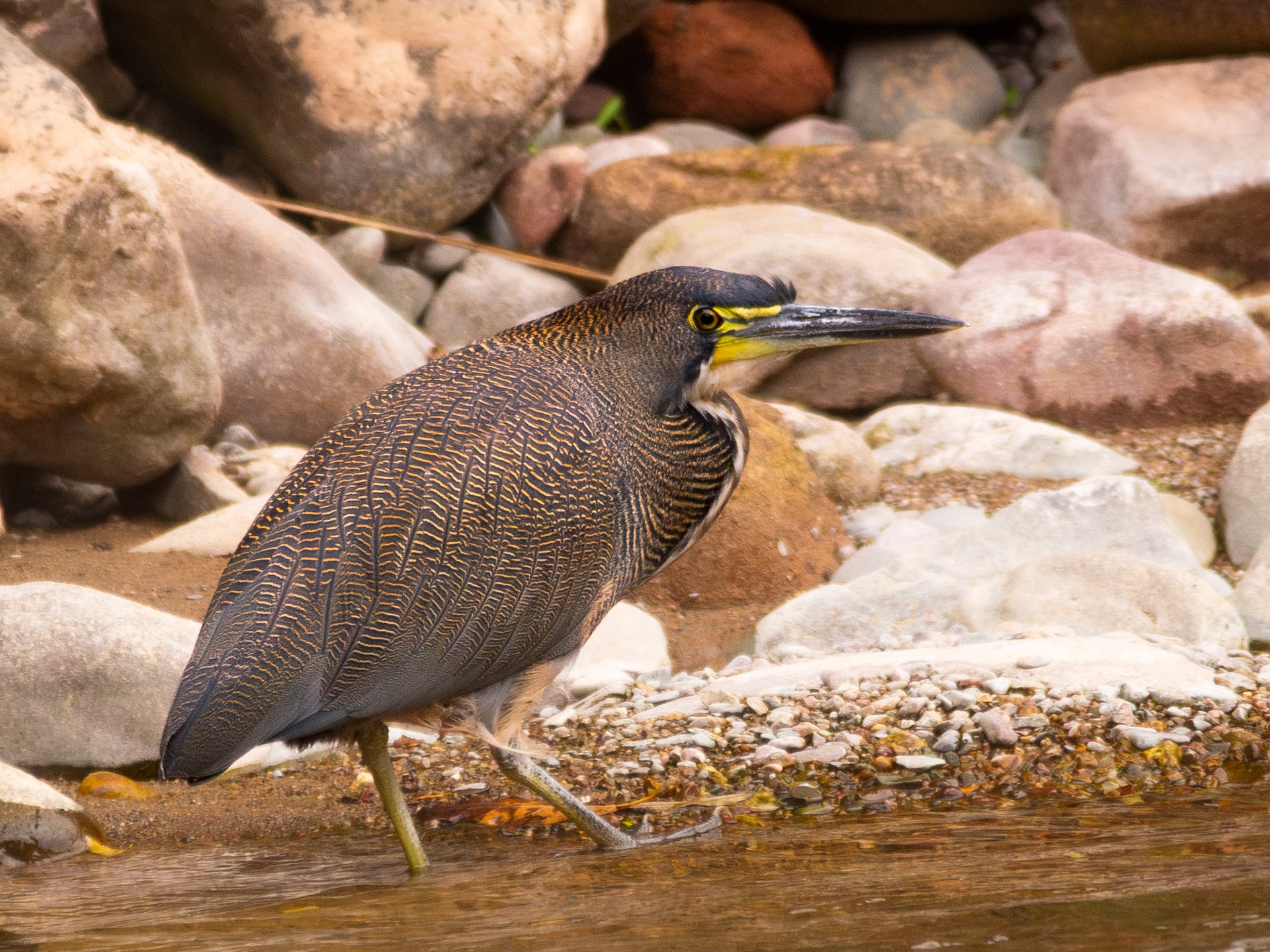
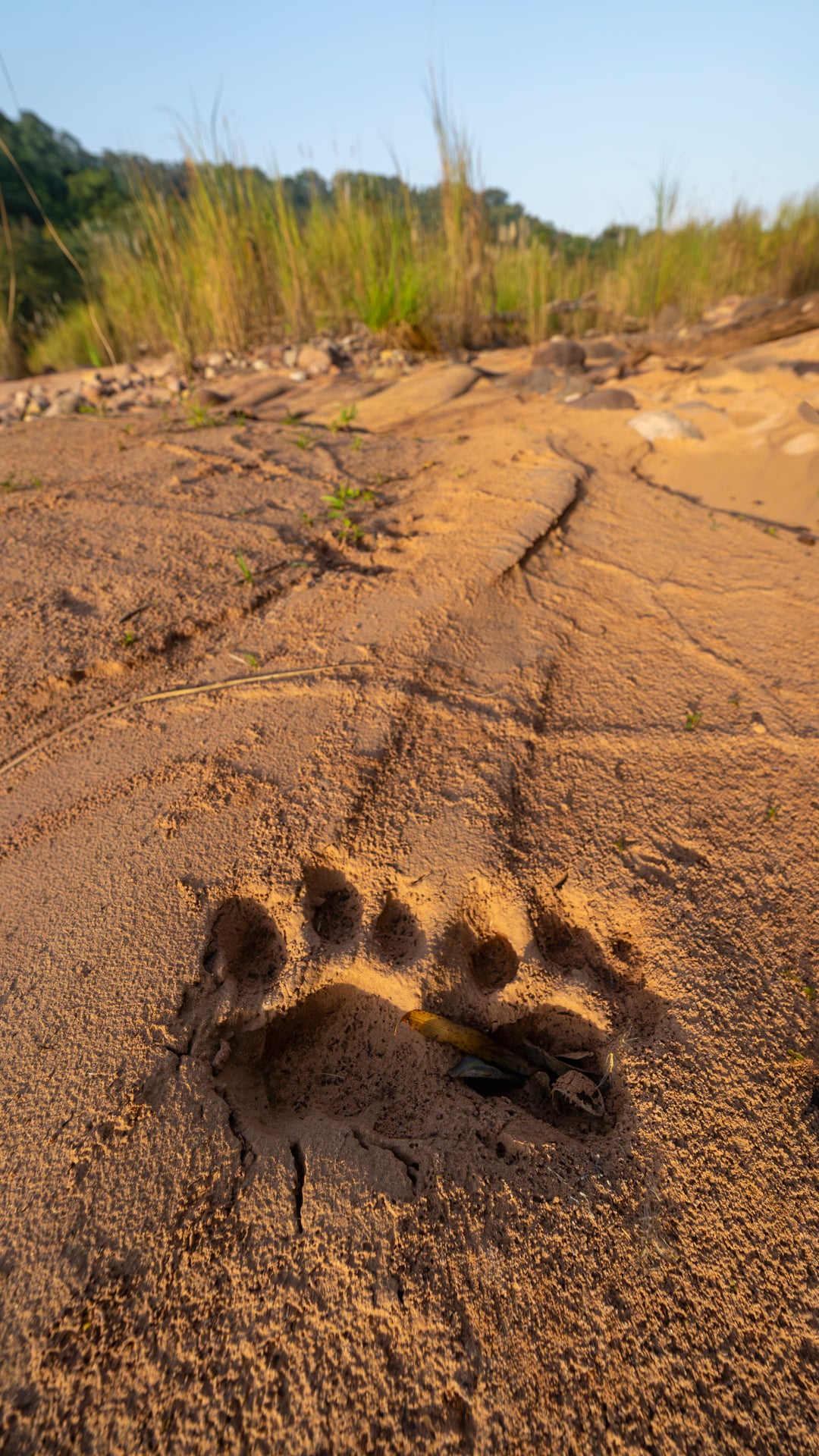
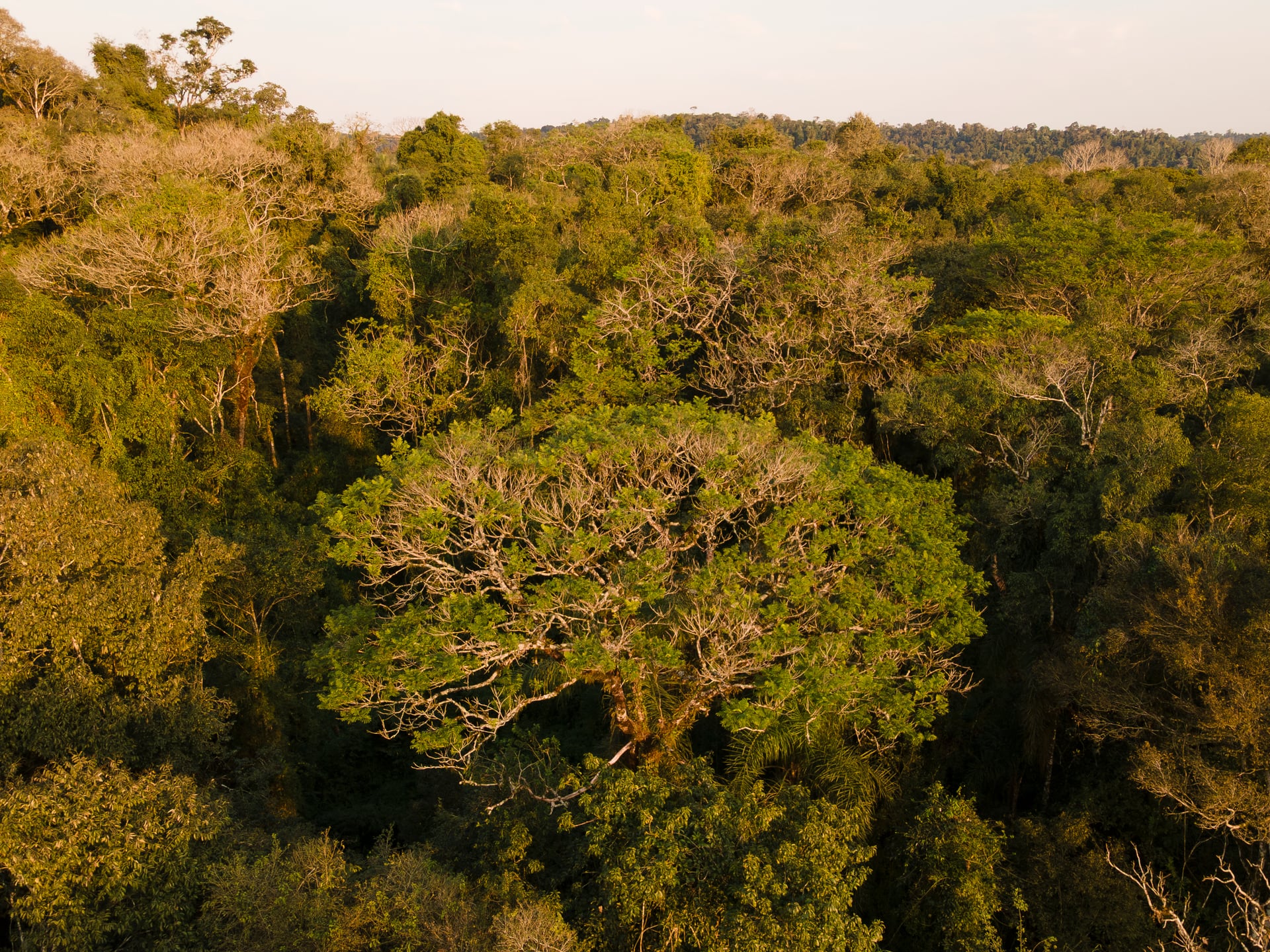
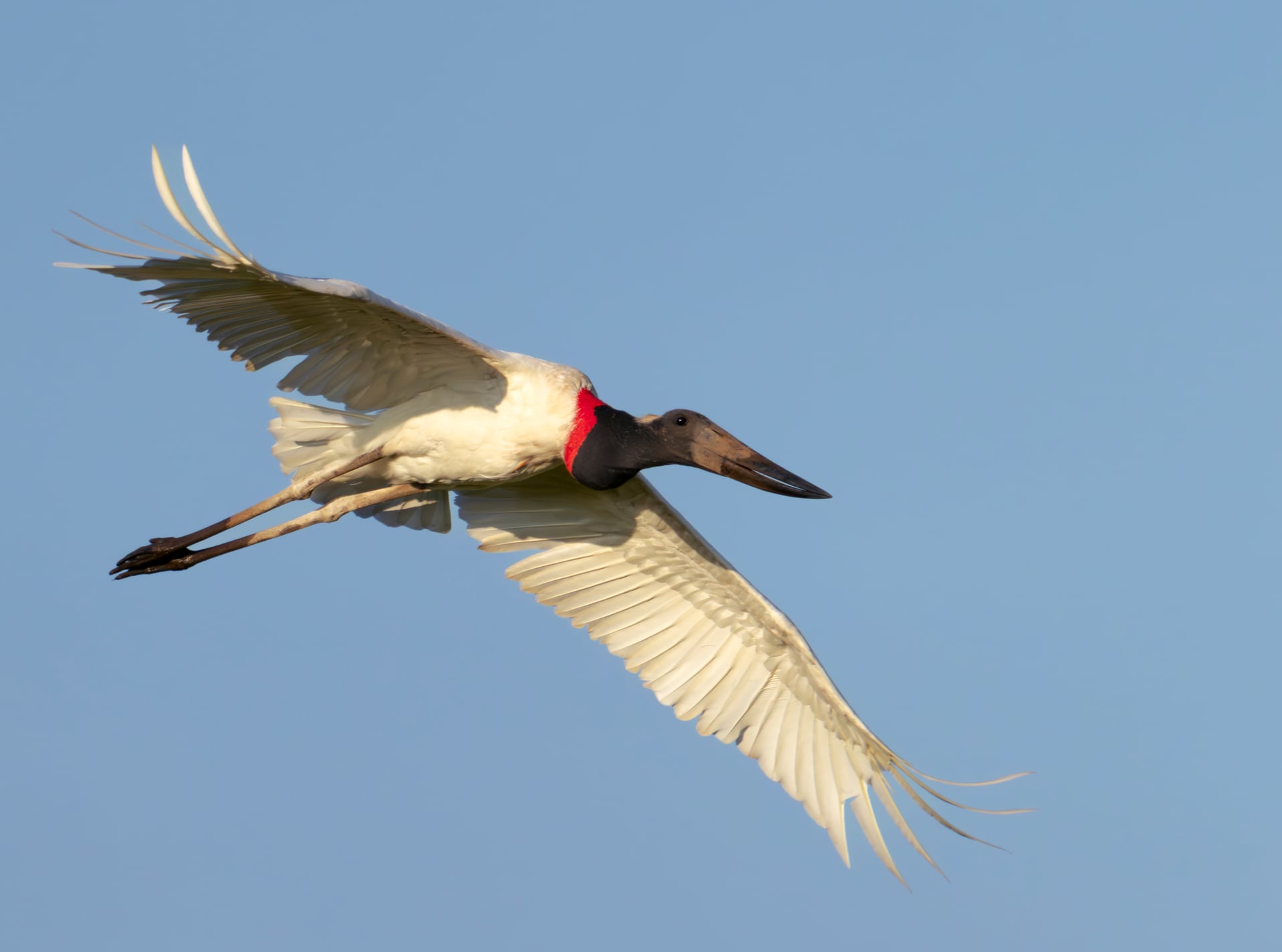
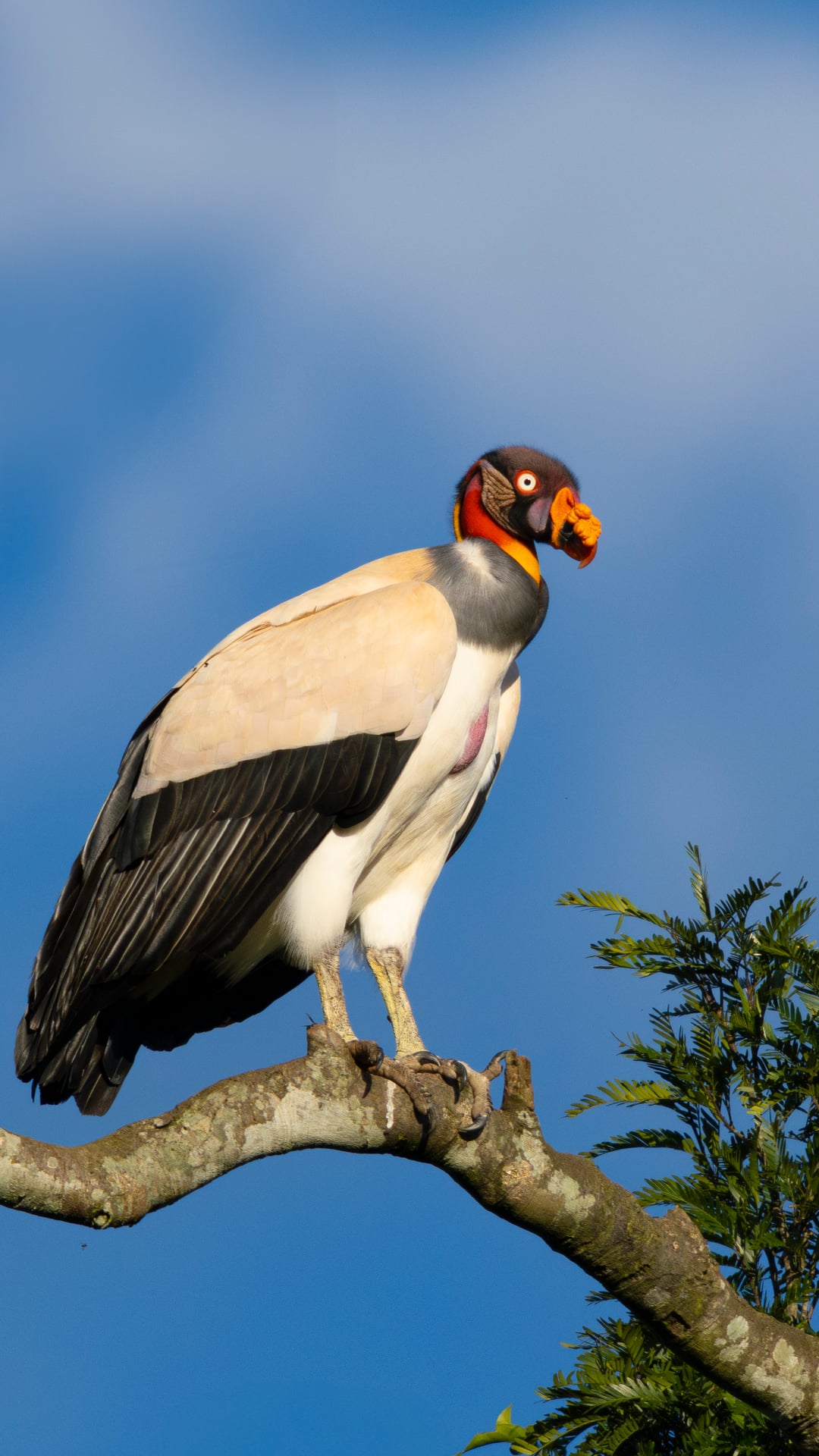
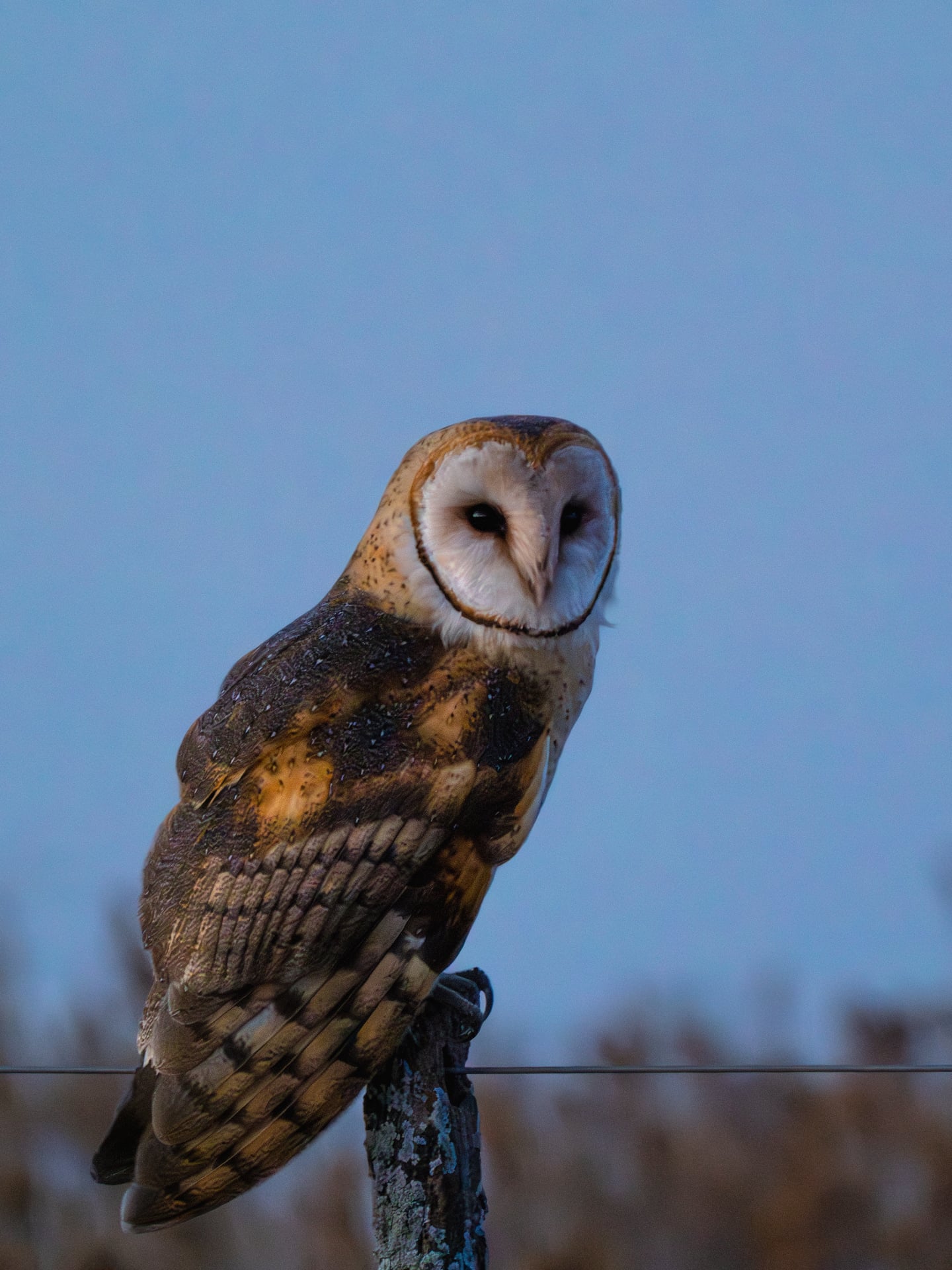
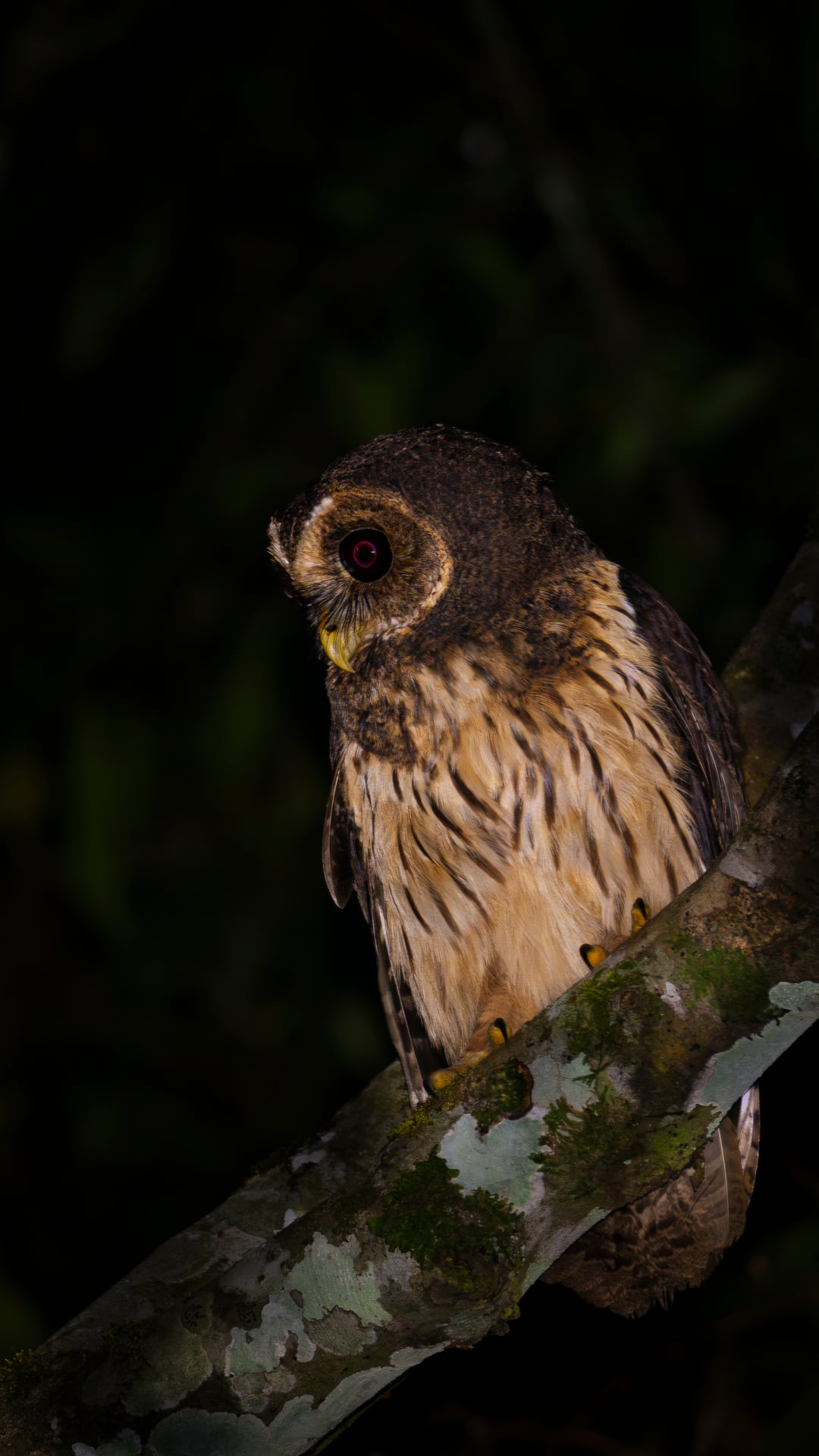
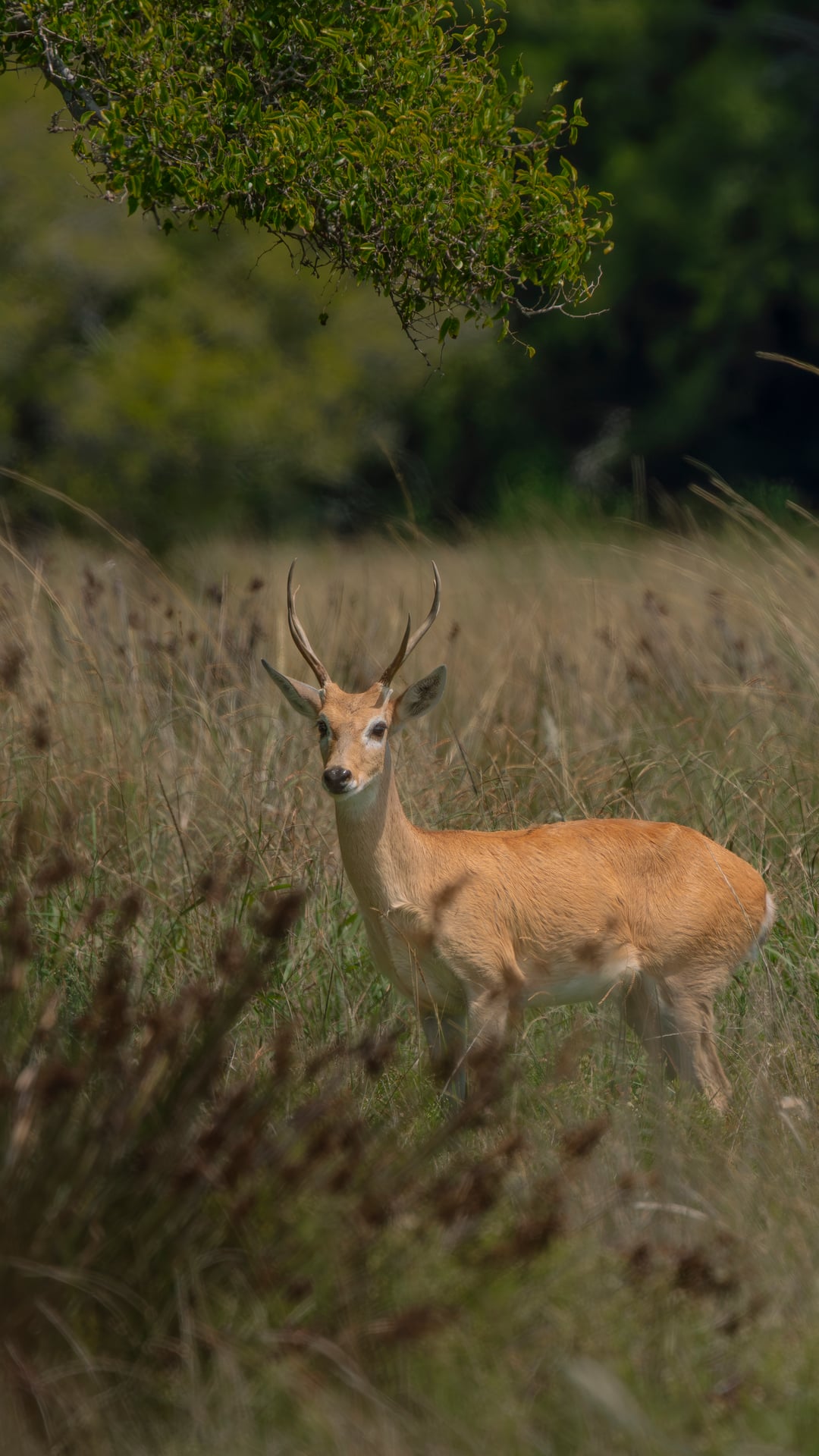
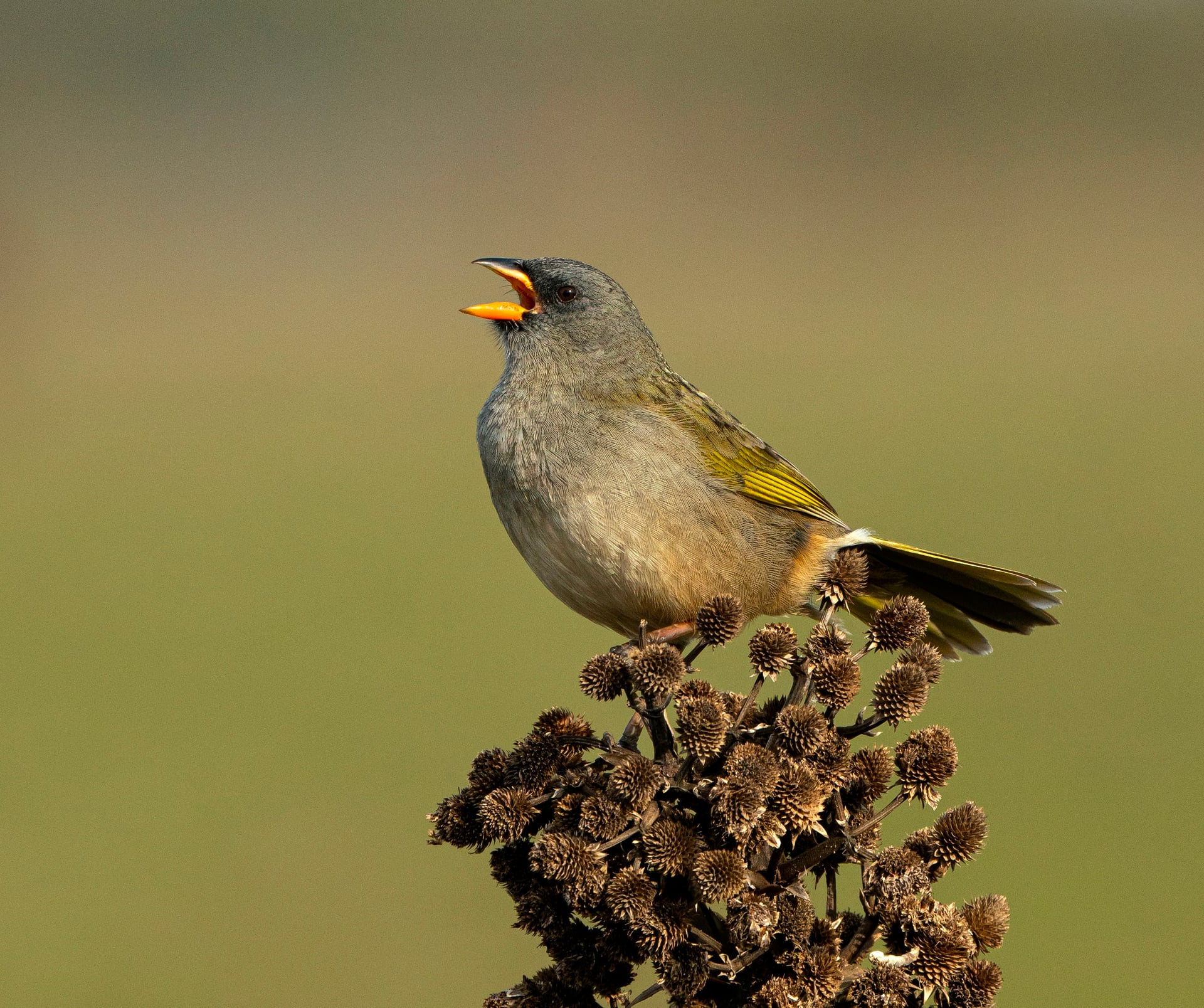
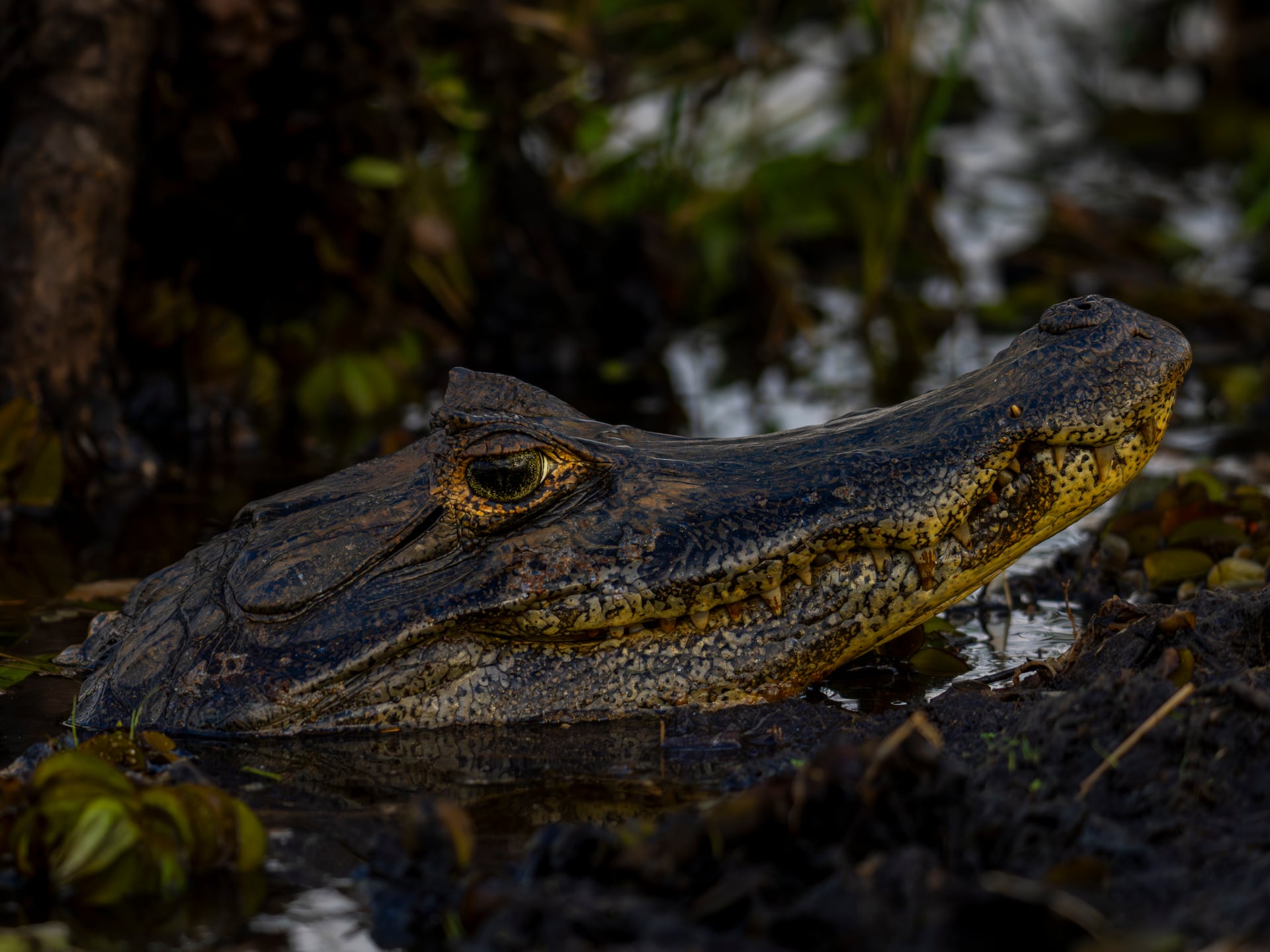
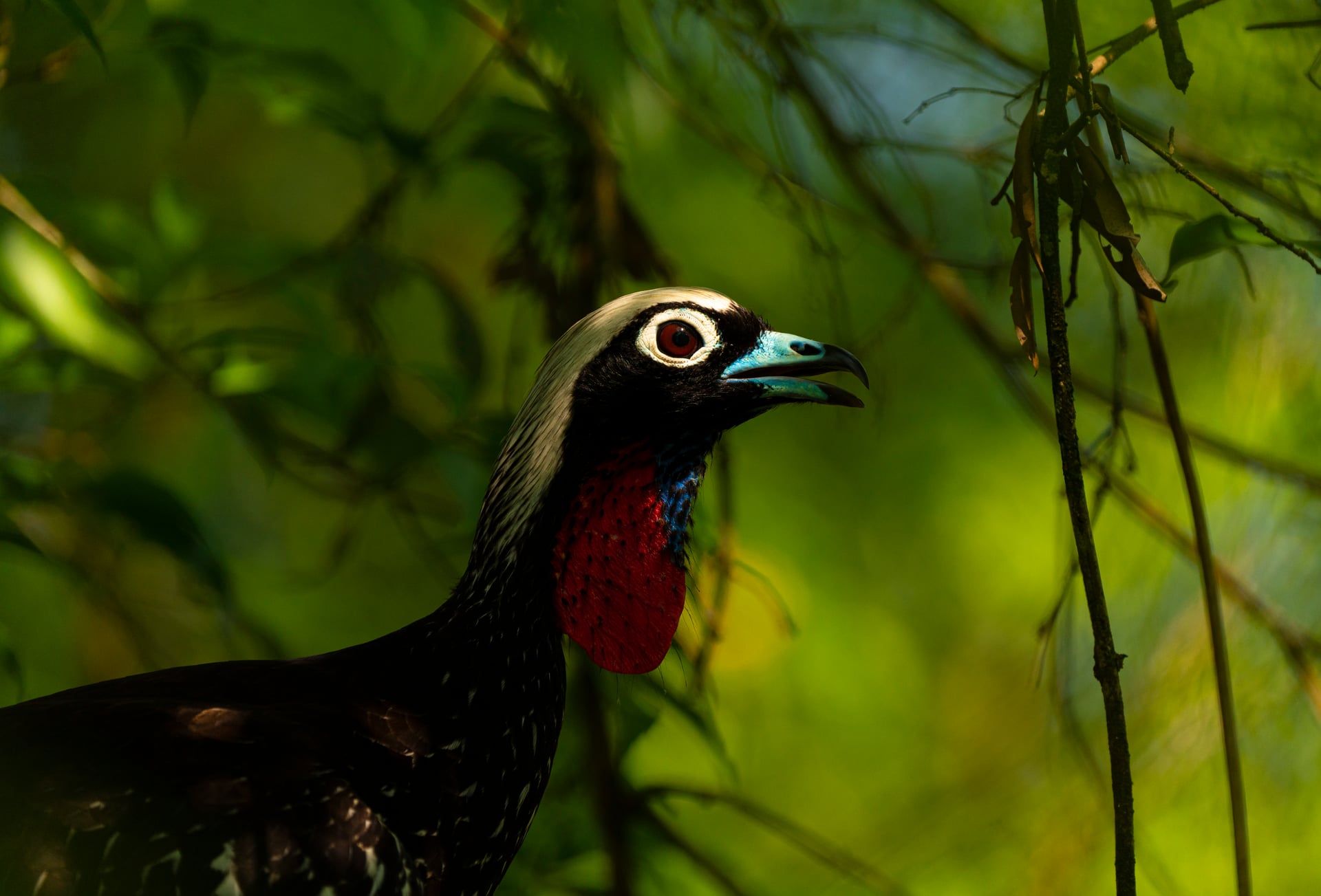
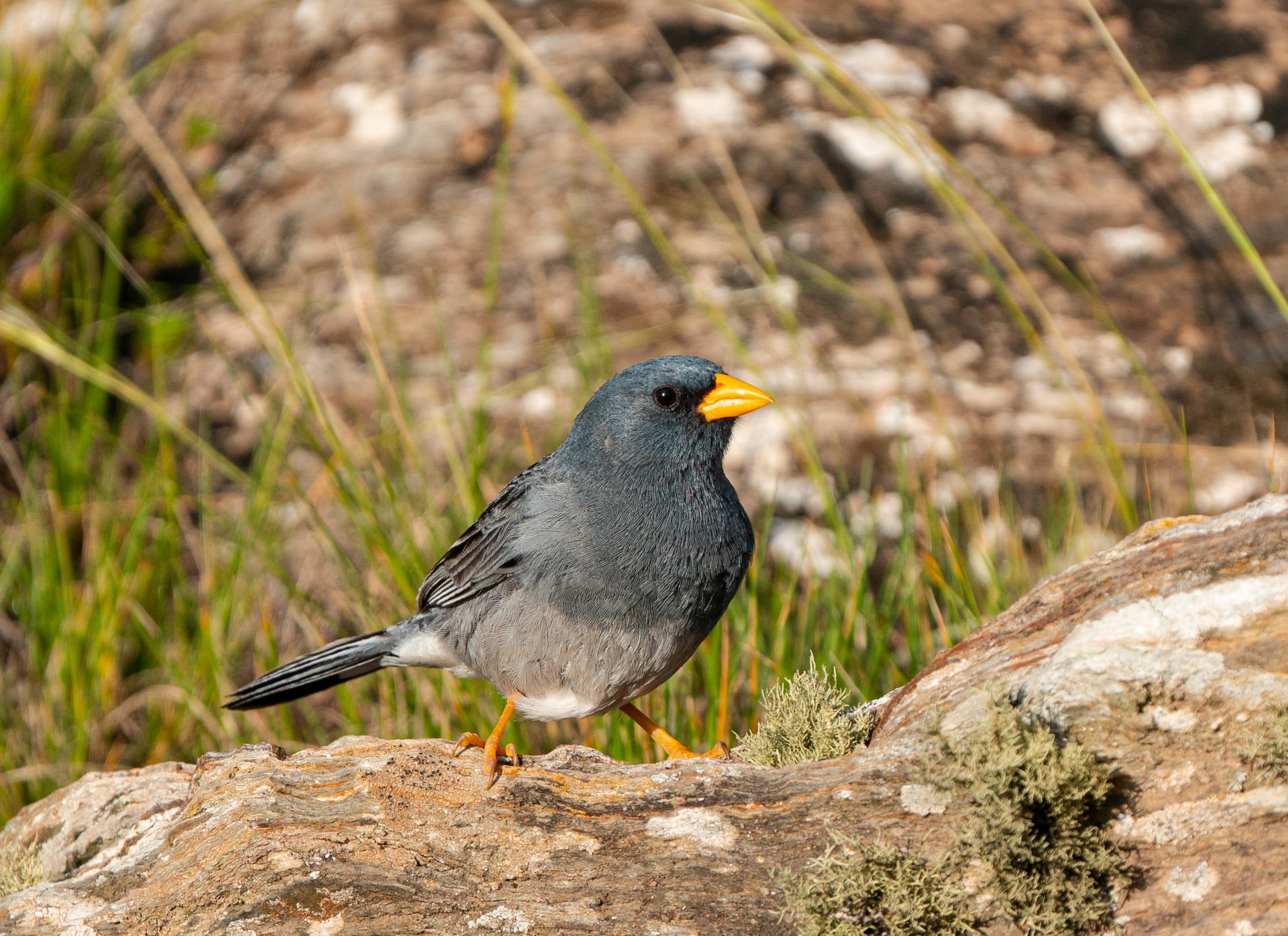
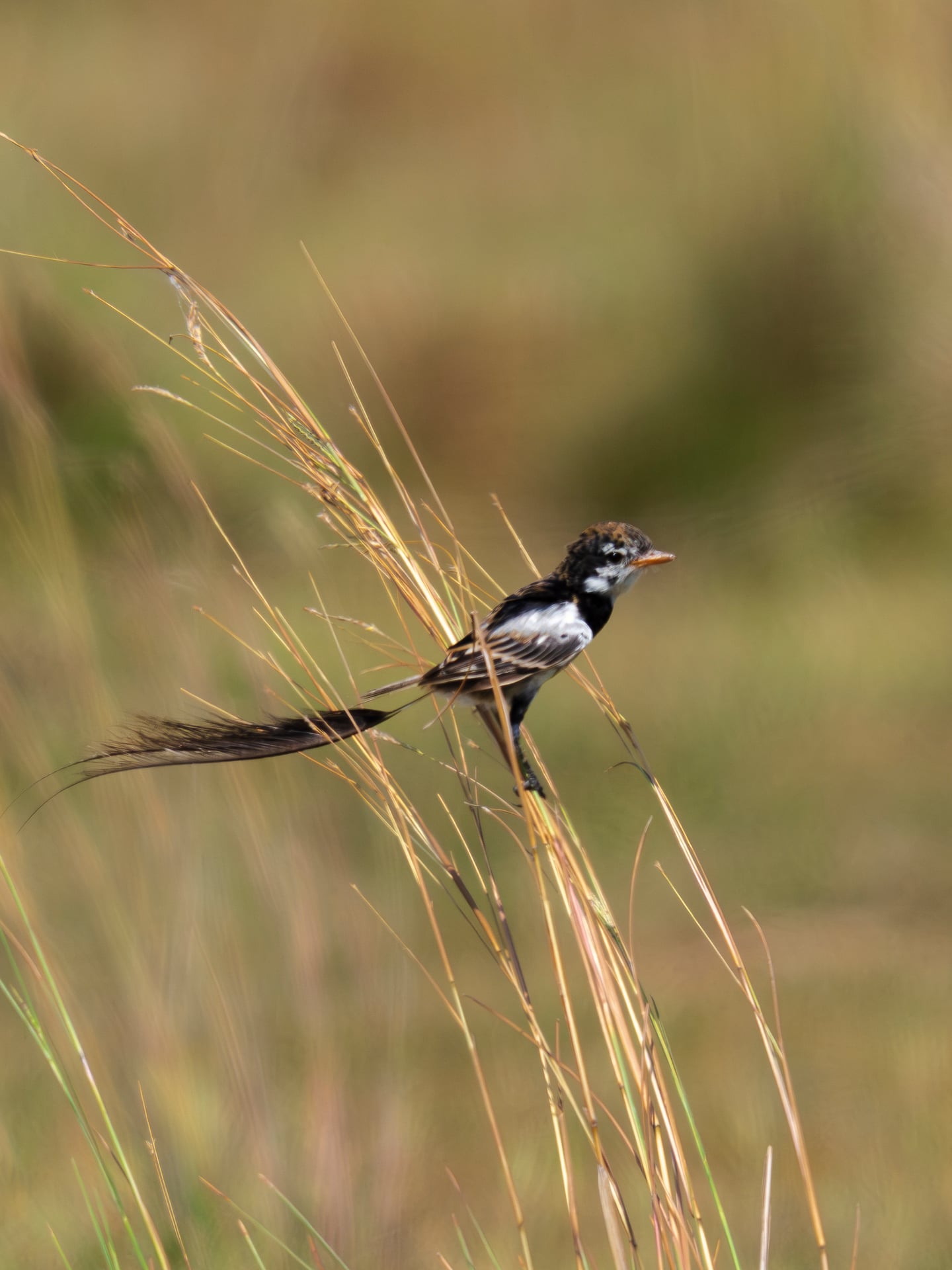
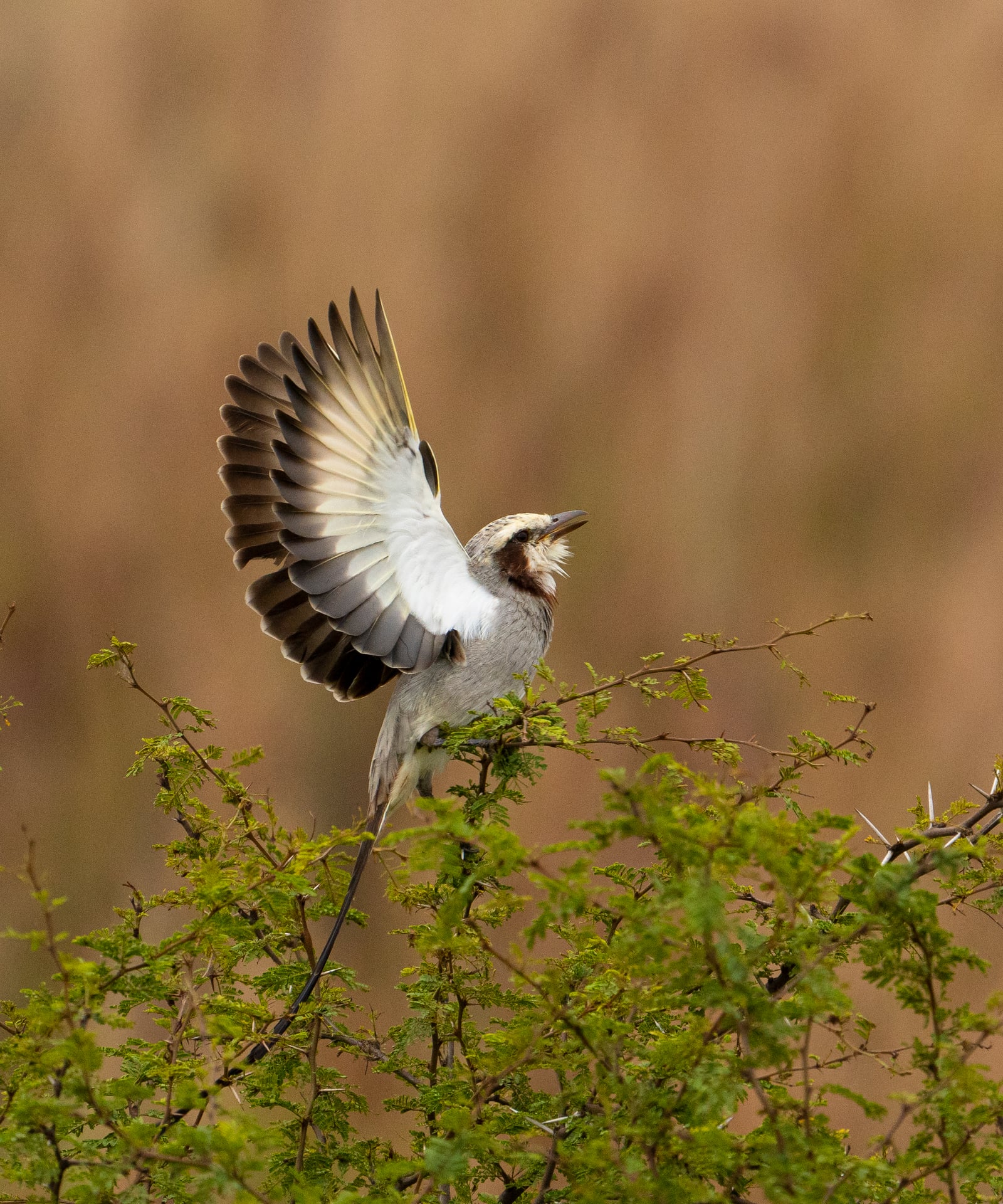
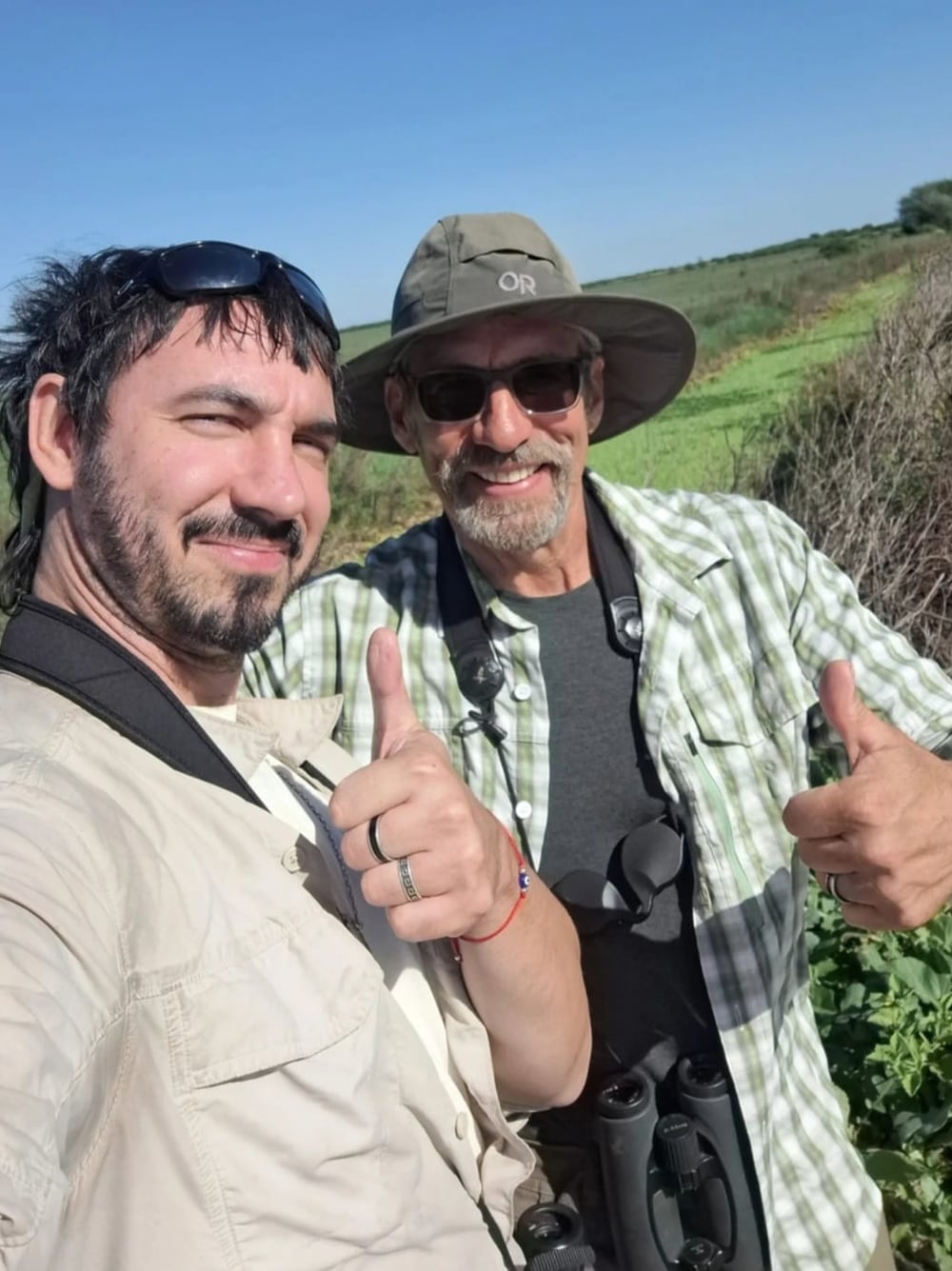
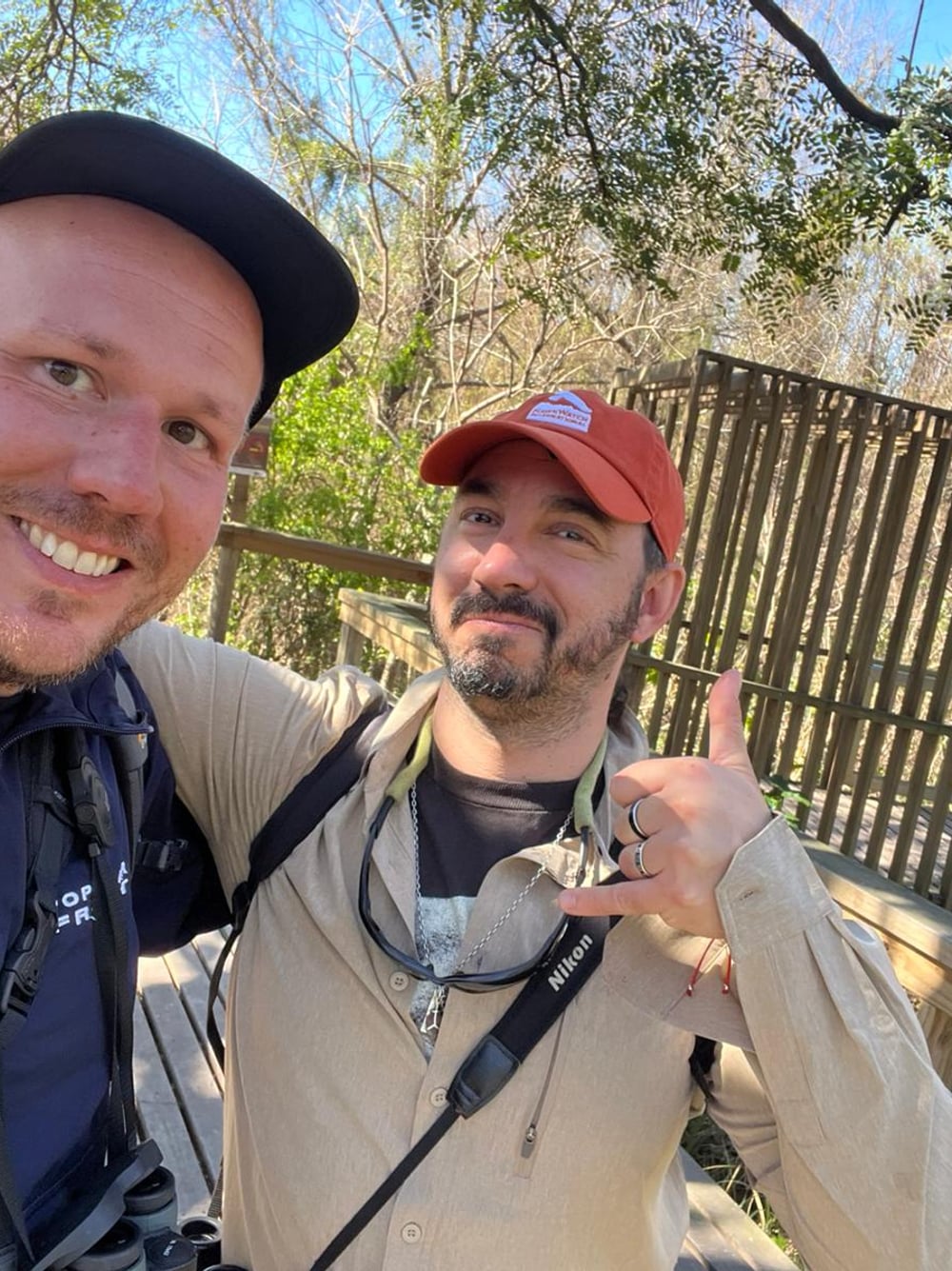
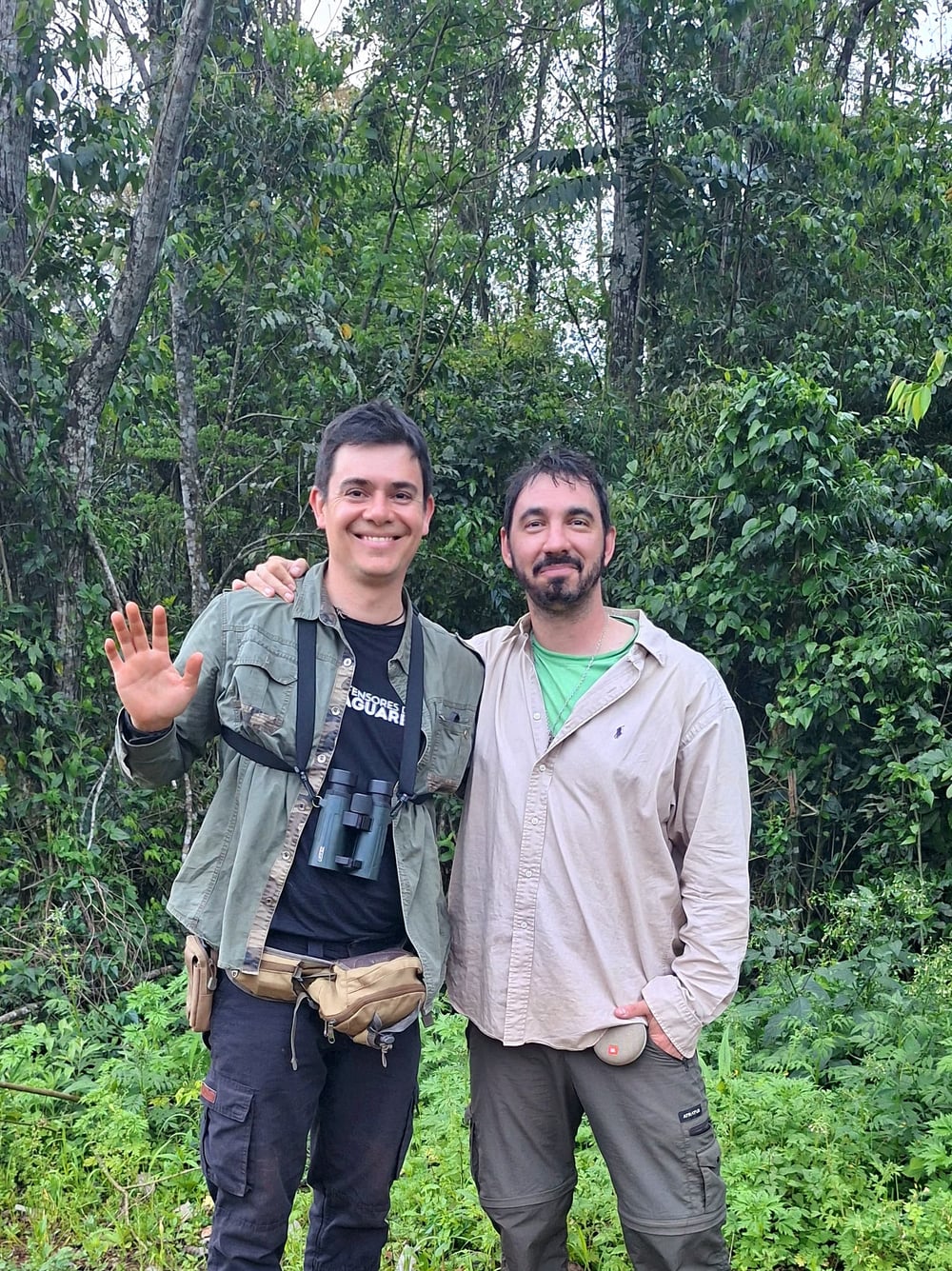
I’m Manuel Encabo — a specialist in Conservation Biology, photographer, filmmaker and nature guide specialized in birdwatching. From a very young age my life was tied to wildlife: the books, the documentaries, the trips into the field, and that constant need to look closely at what so often goes unnoticed.
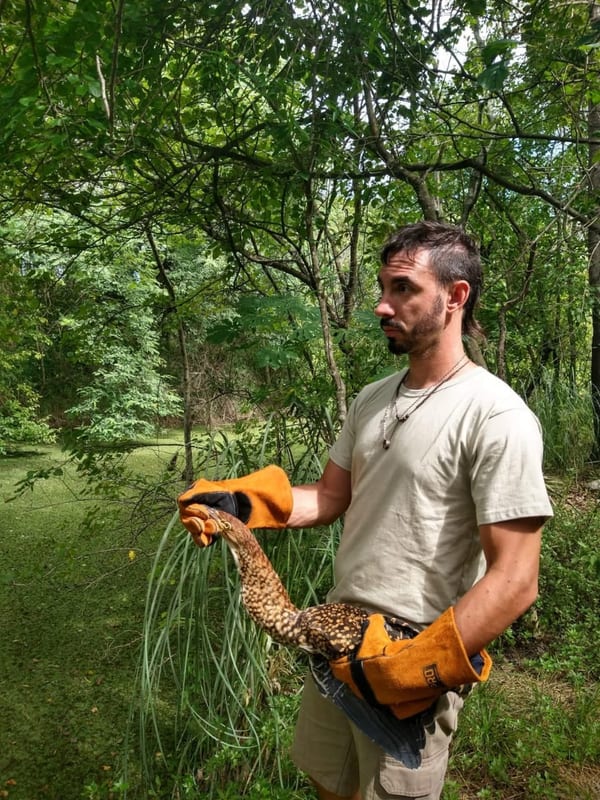
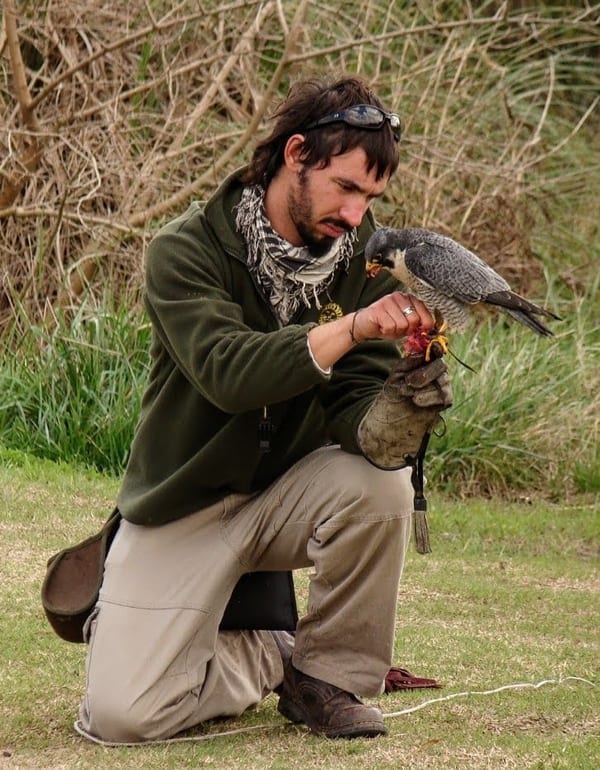
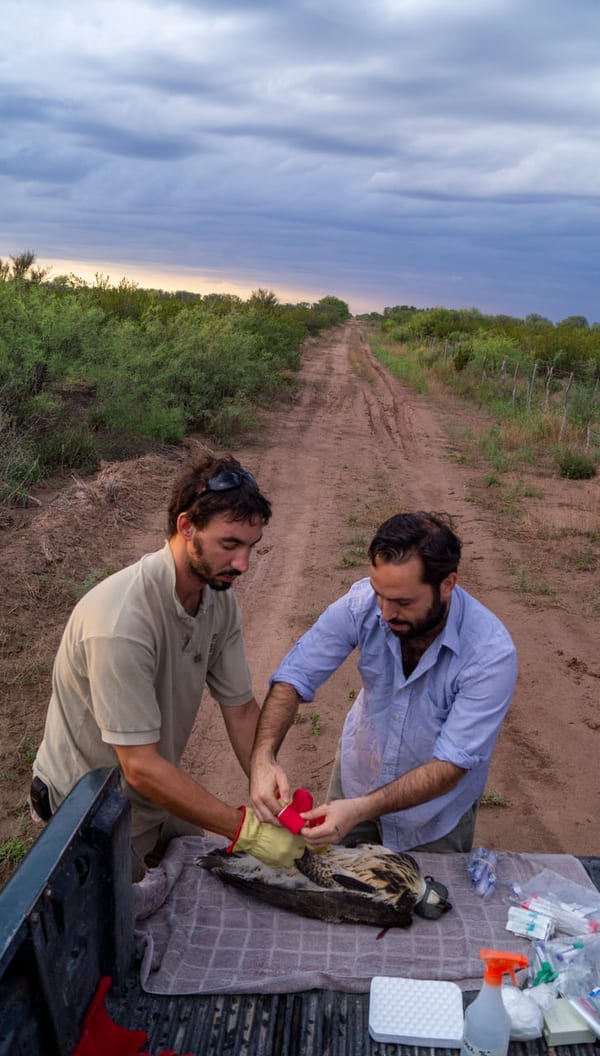
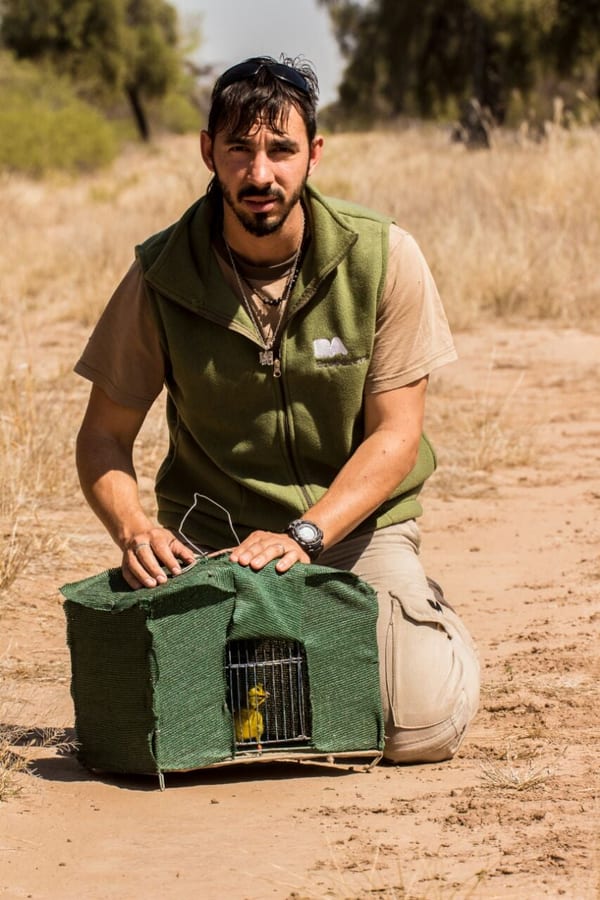
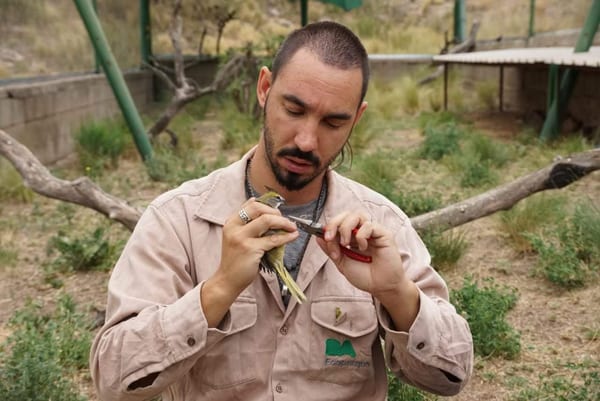
Since 2004 I’ve worked in wildlife conservation, with a career devoted to the rescue, rehabilitation, management, monitoring and research of wild species, both ex situ and in situ. Between 2004 and 2024 I coordinated the Raptor Conservation and Rescue Program at the former Buenos Aires Zoo —now Ecoparque— and, for ten years, directed the City’s Wildlife Rescue Center, in the Costanera Sur Ecological Reserve.
A major part of my path has also been education. For eight years I was a teacher and head of the Ornithology department at the Argentine School of Naturalists (Aves Argentinas), and I coordinated outreach projects and activities in schools, rural areas and public spaces.
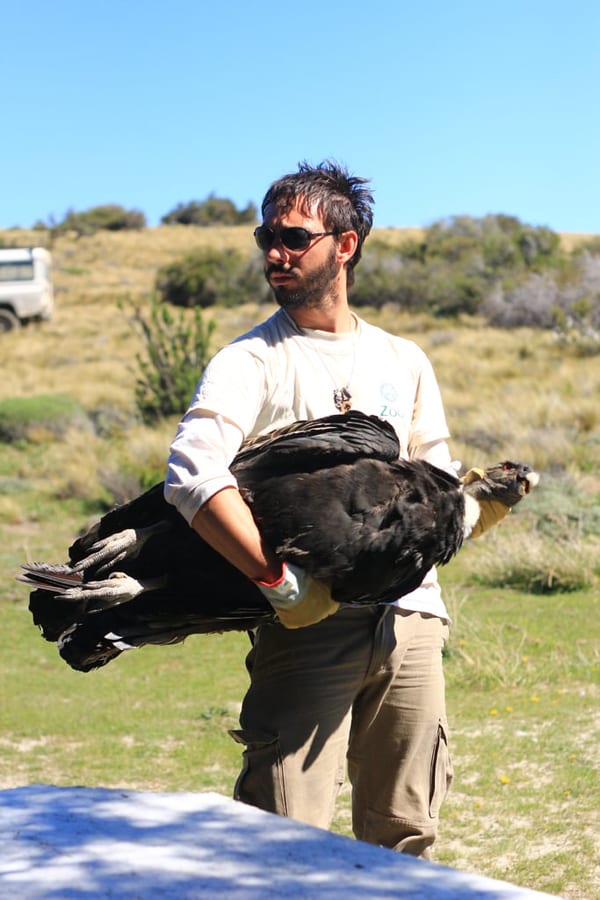
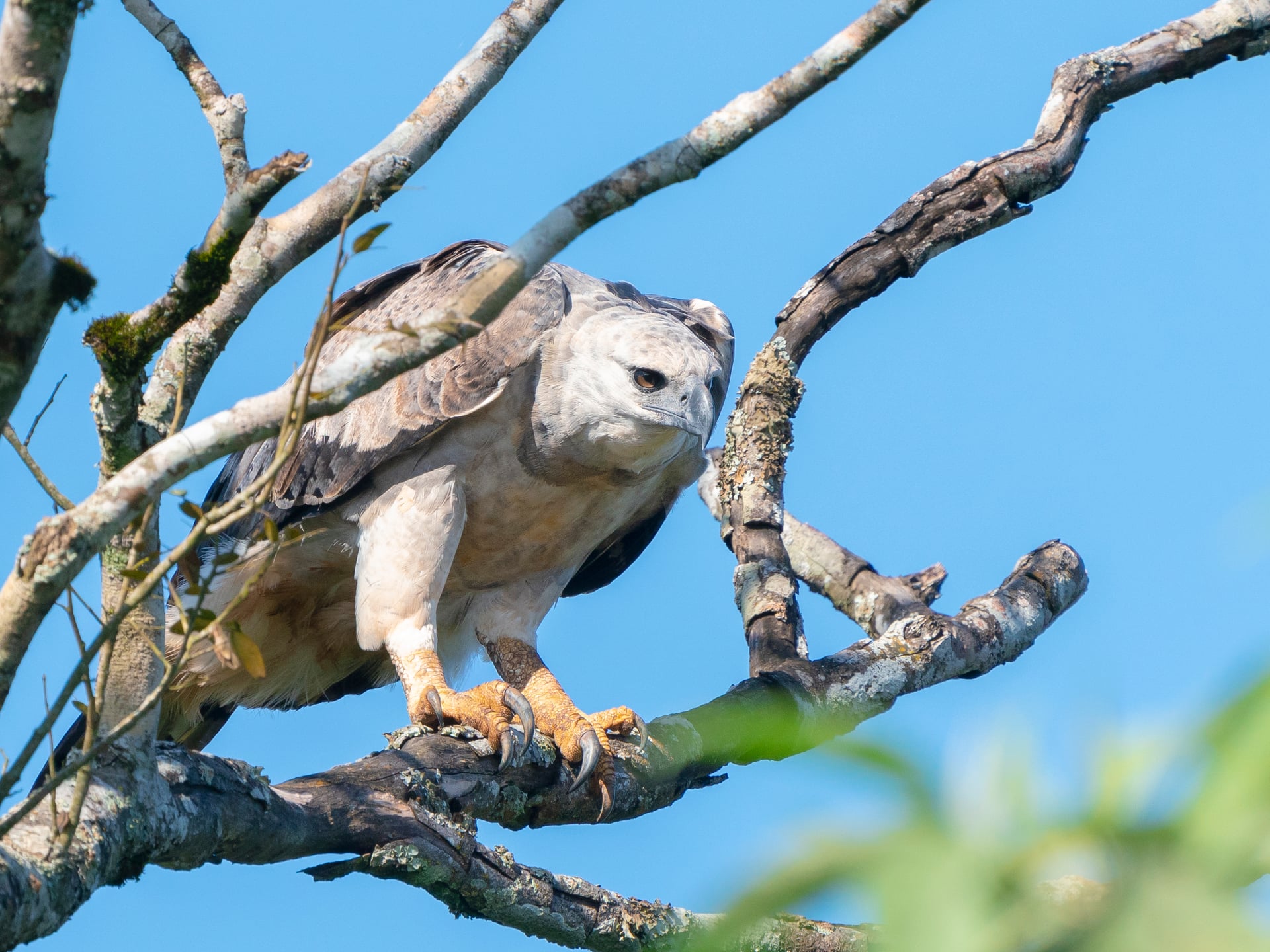
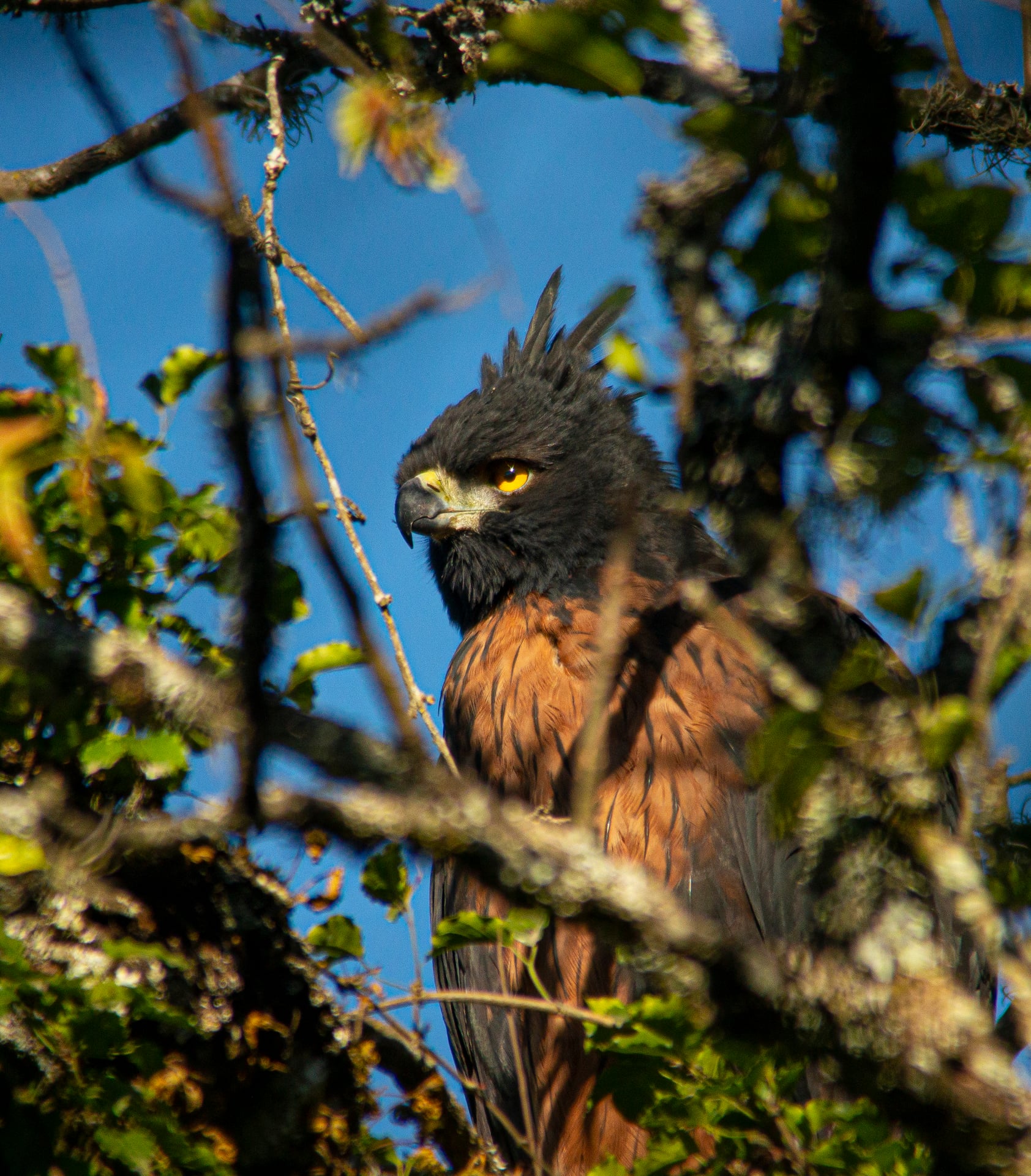
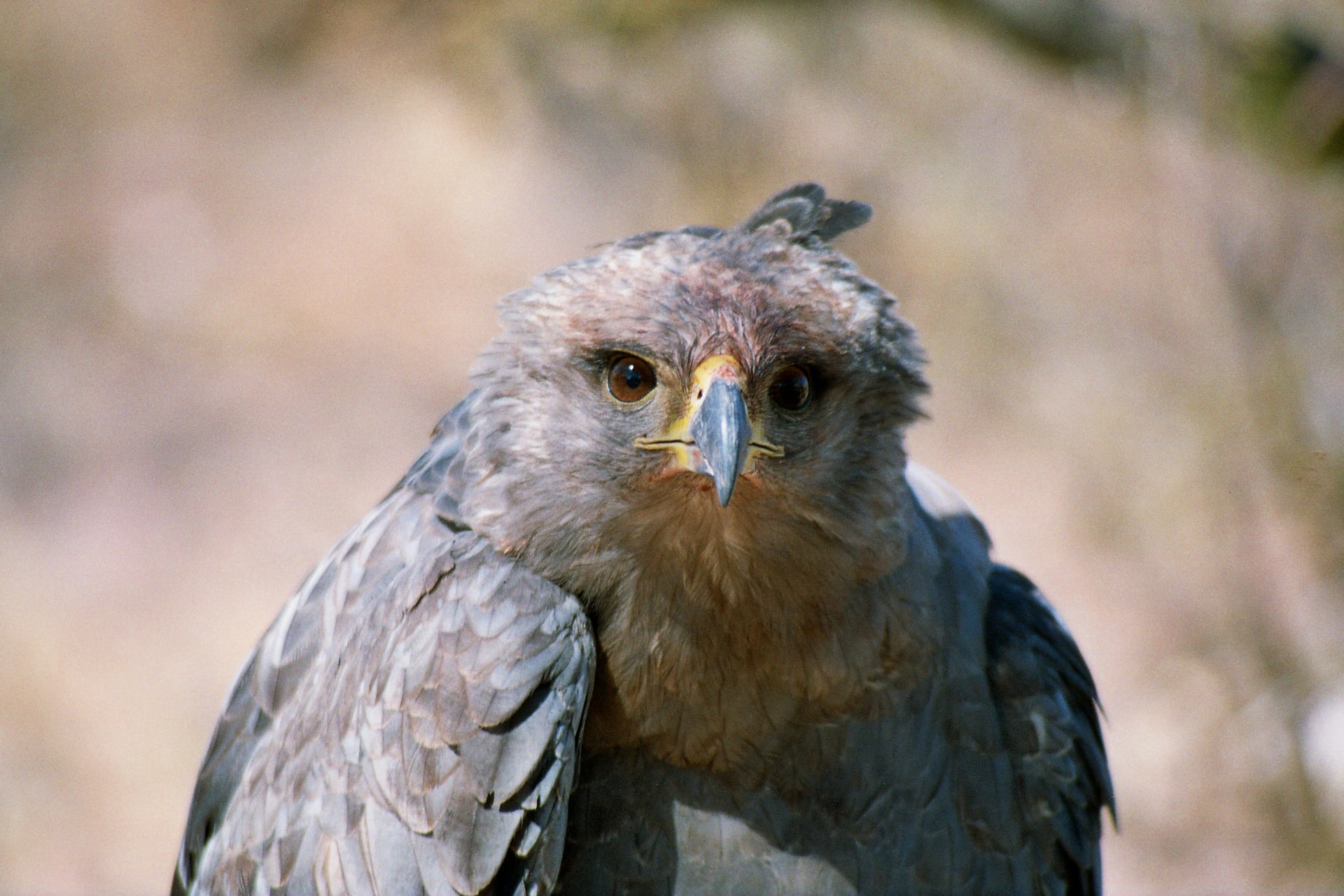
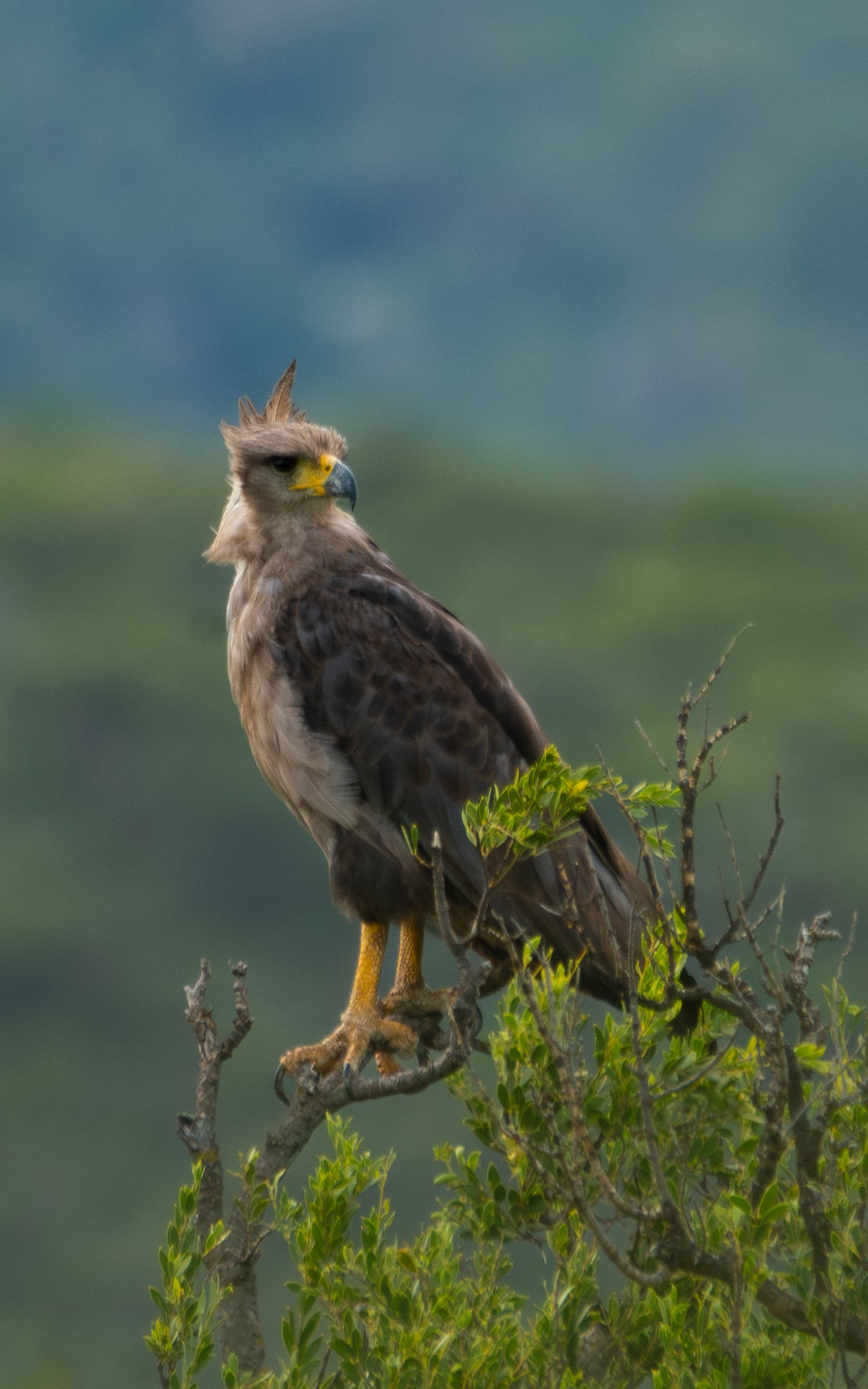
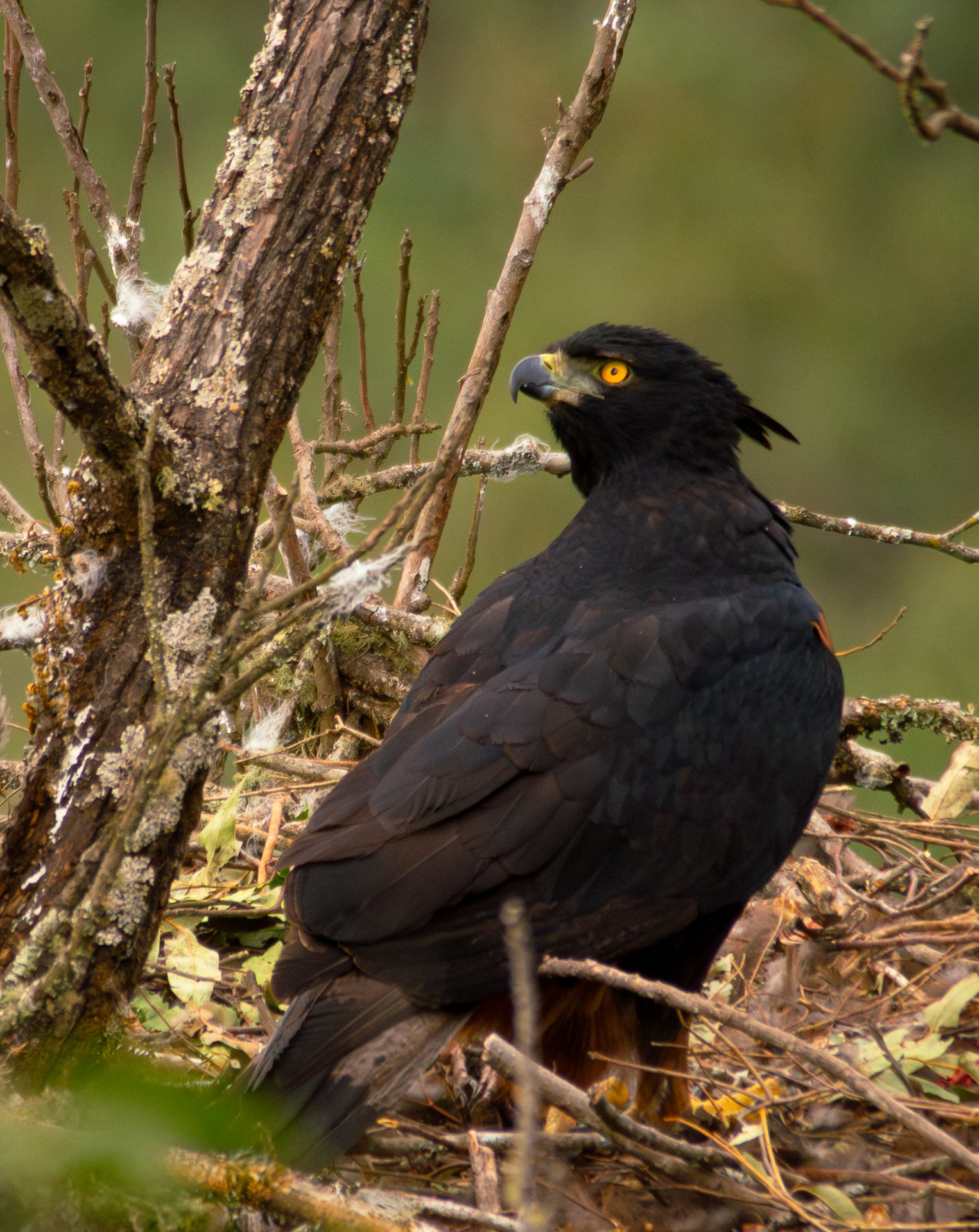
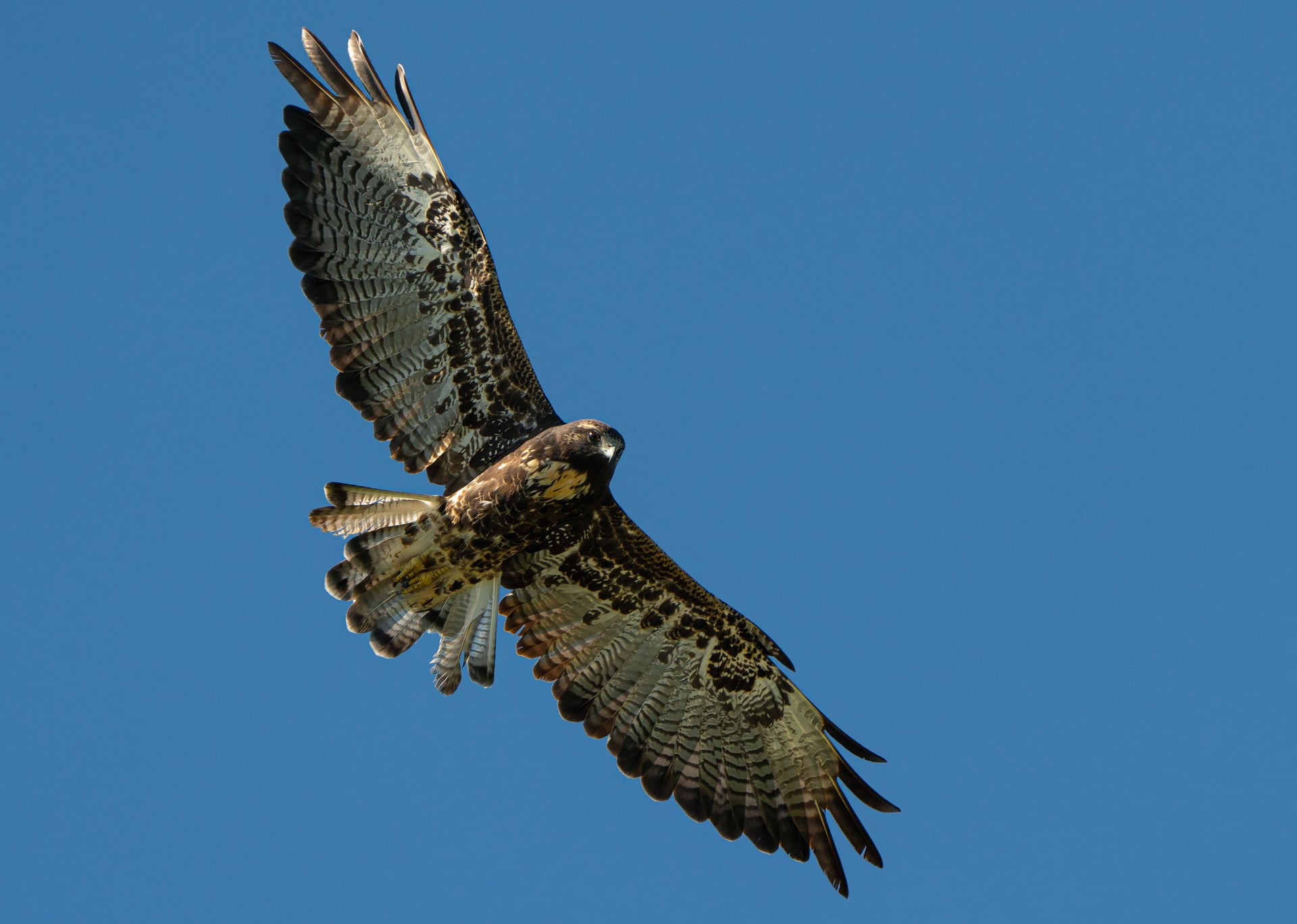
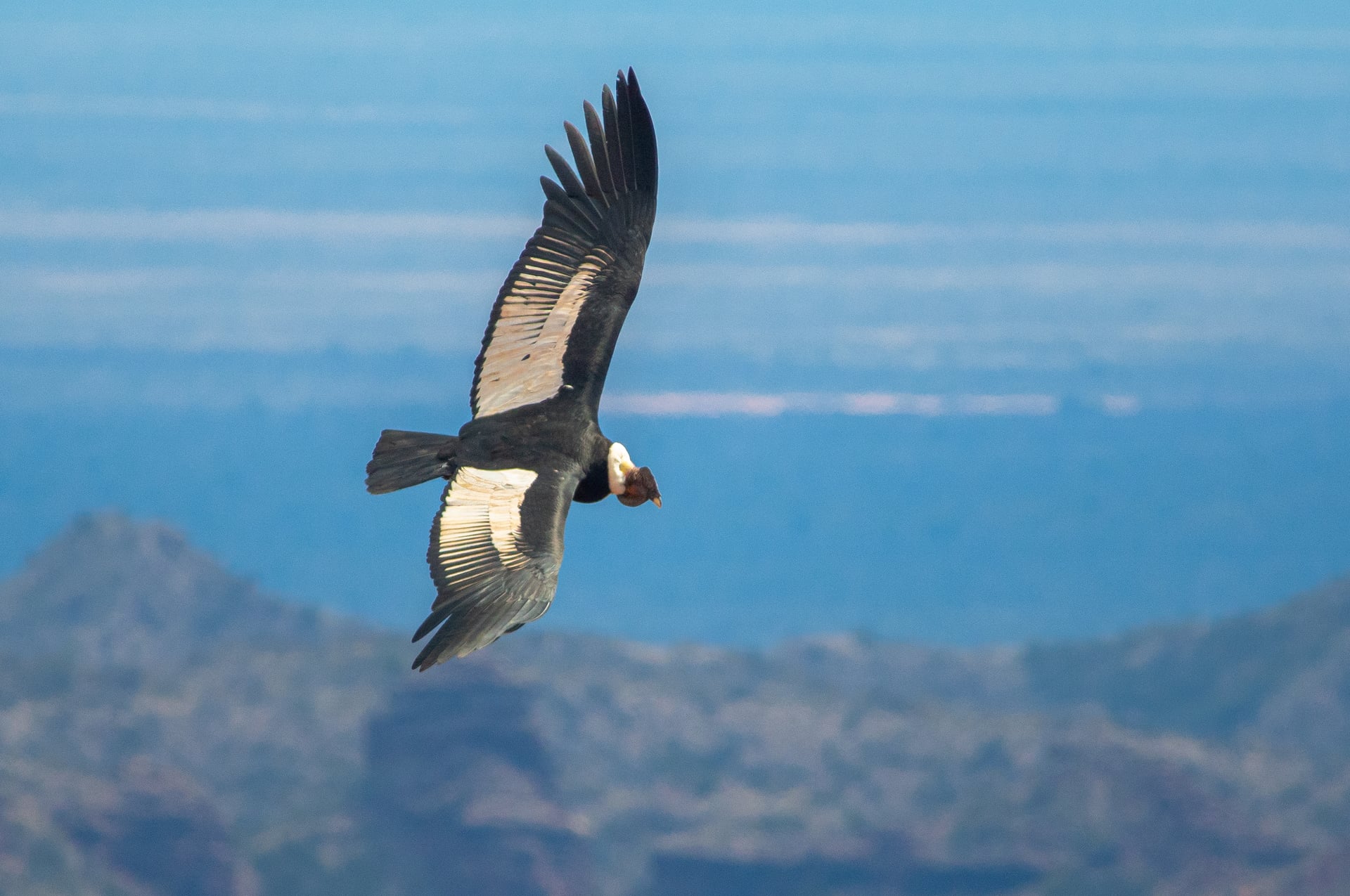
Raptors are my specialty. I’ve worked with threatened species such as the Crowned Solitary Eagle, the Andean Condor and various forest eagles, combining fieldwork, rehabilitation, tracking, research and education. I’m a founding member of Fundación Caburé-í and co-founder of the Argentine Crested Eagles Project, focused on the study and conservation of some of the rarest and least-known raptors in the country.
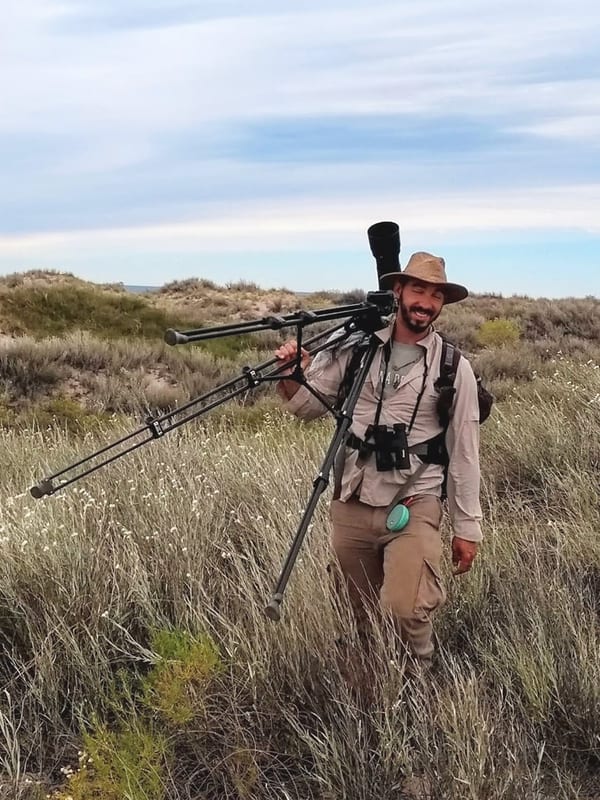
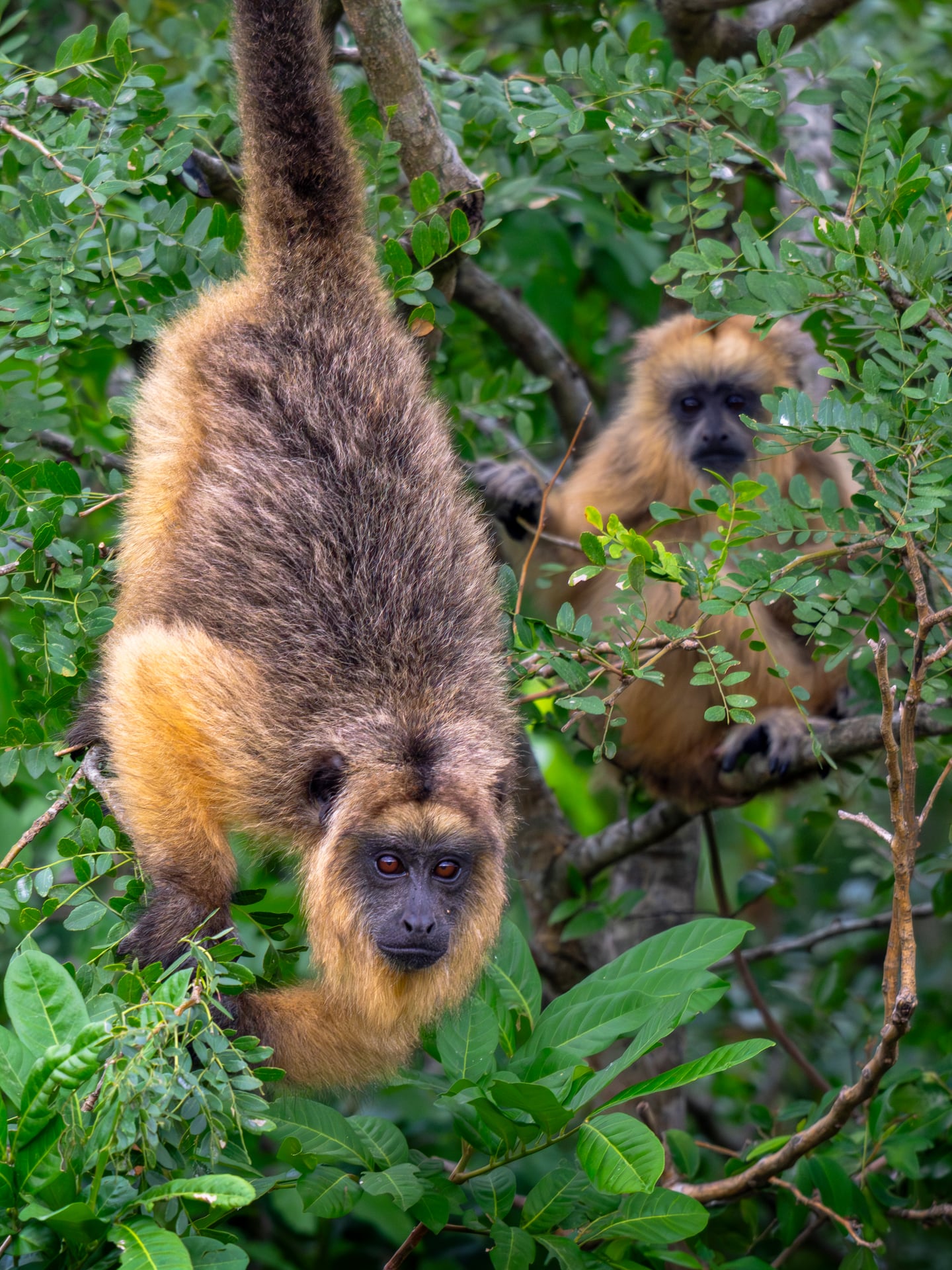
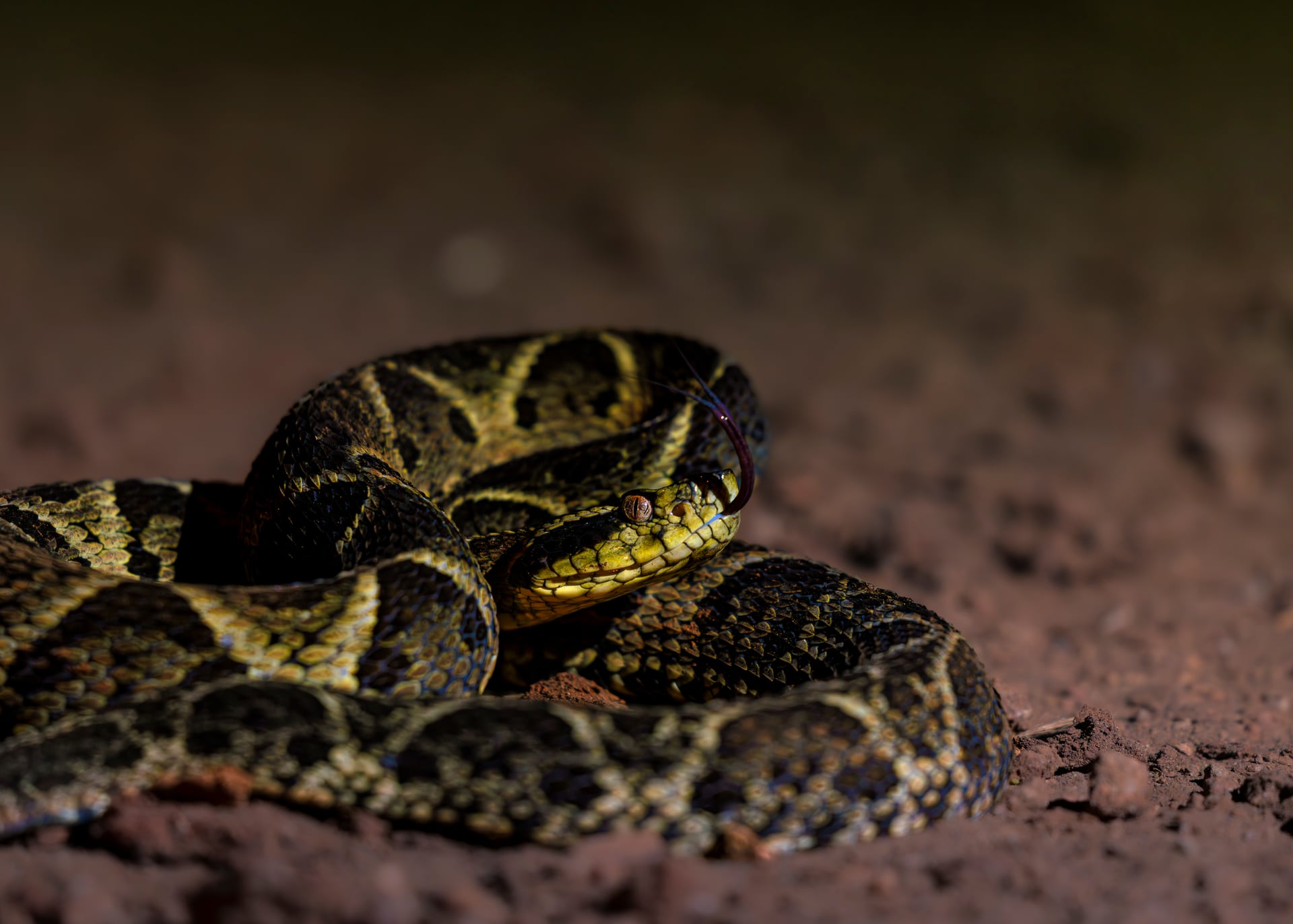
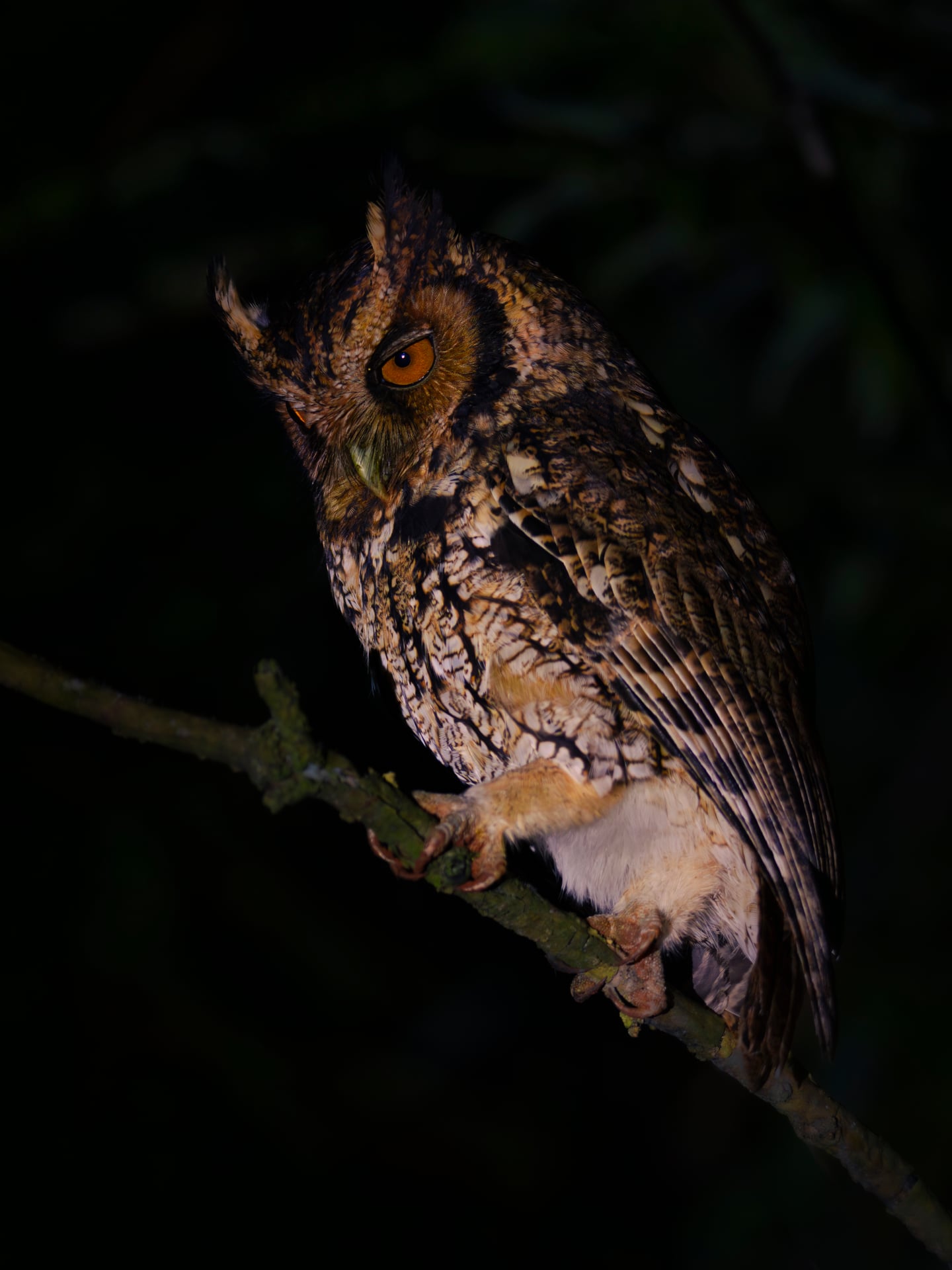
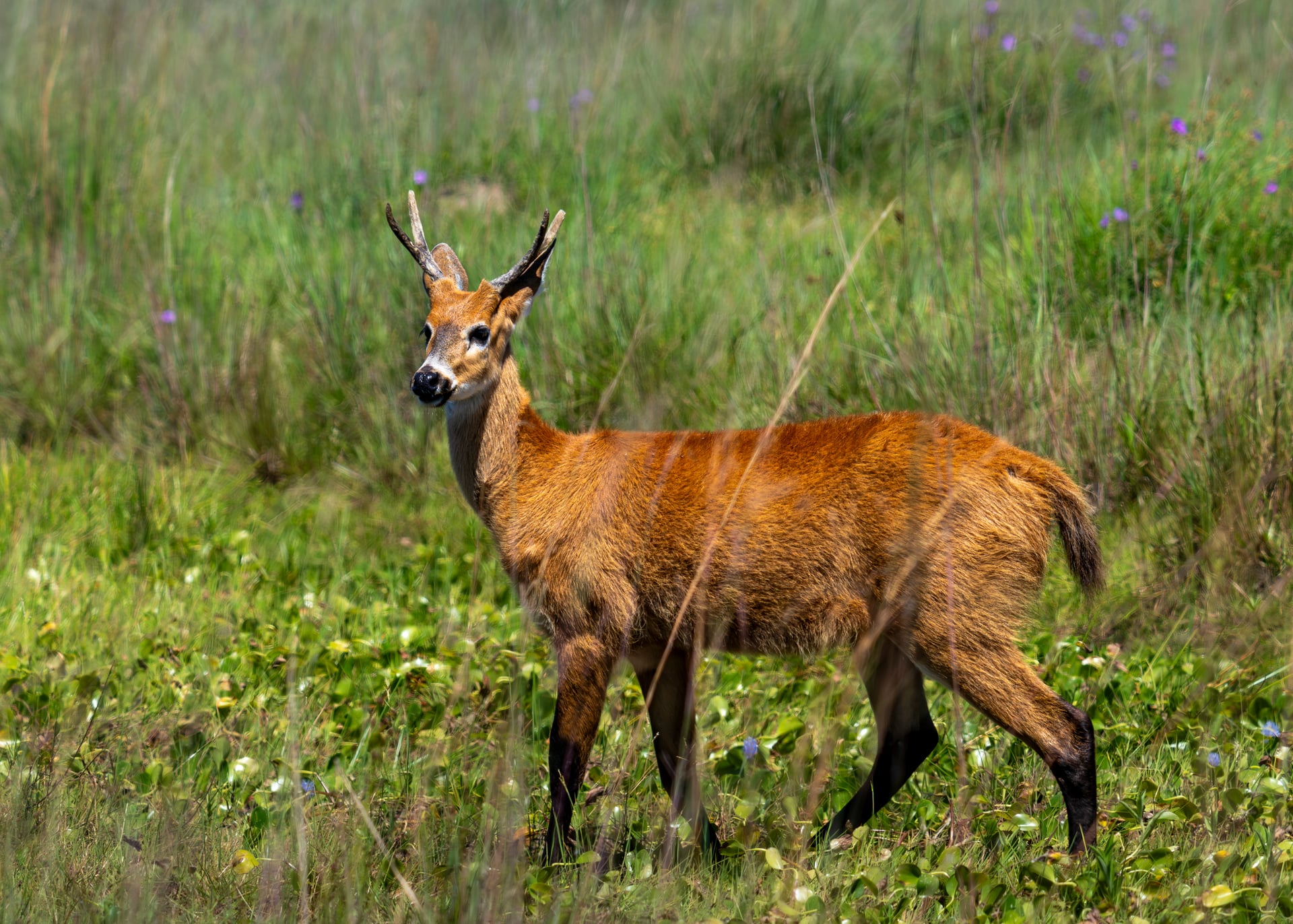
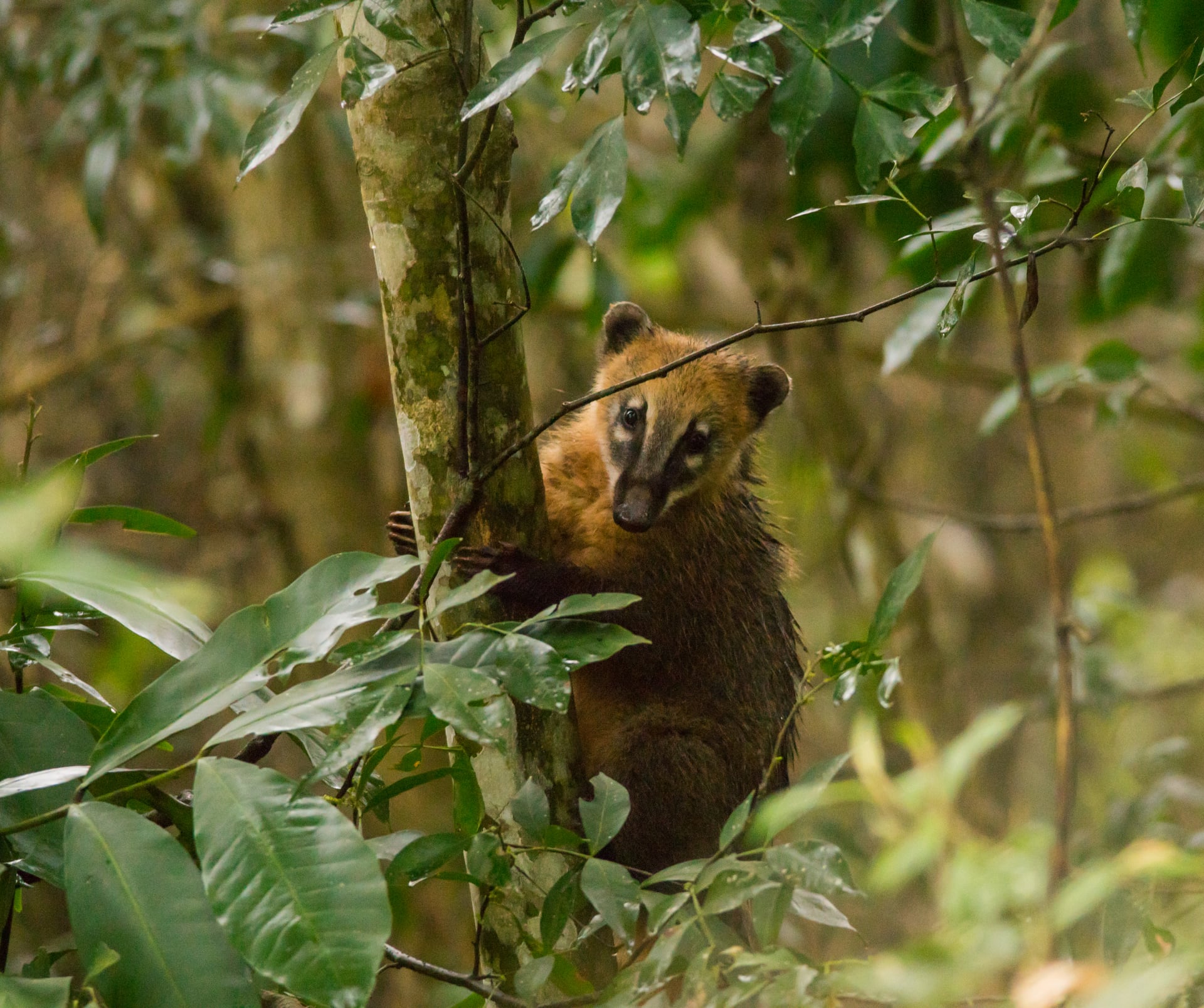
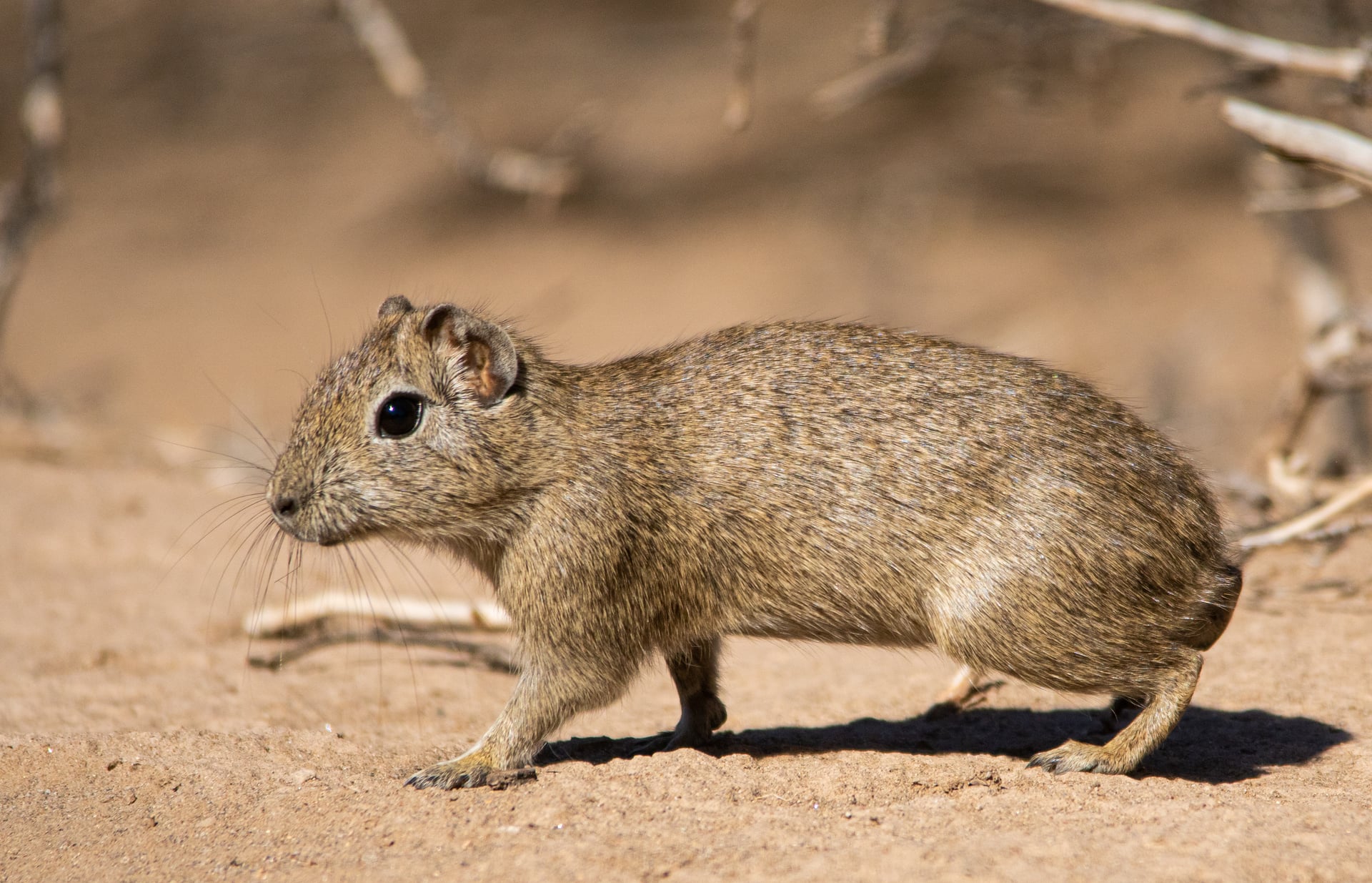
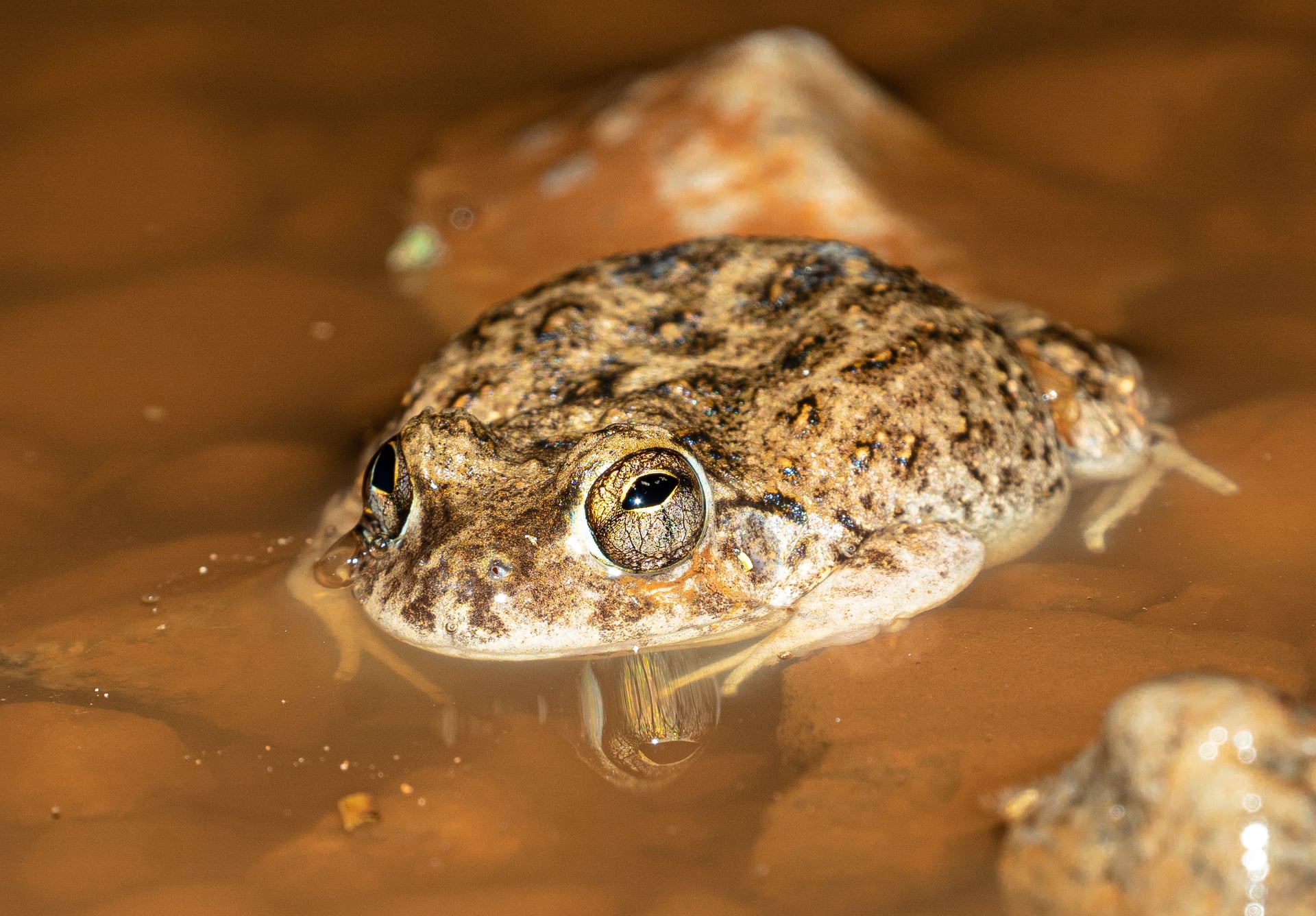
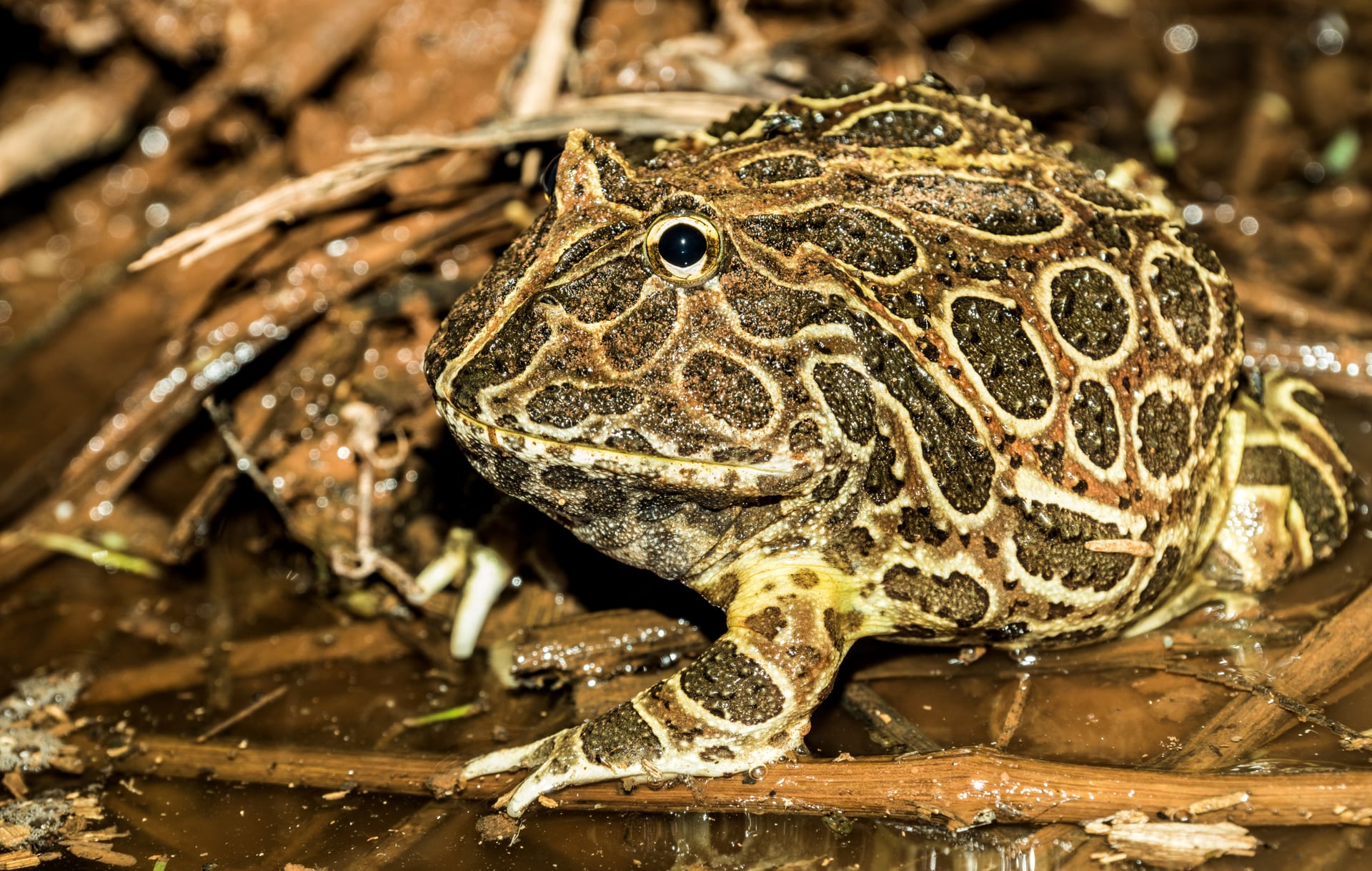
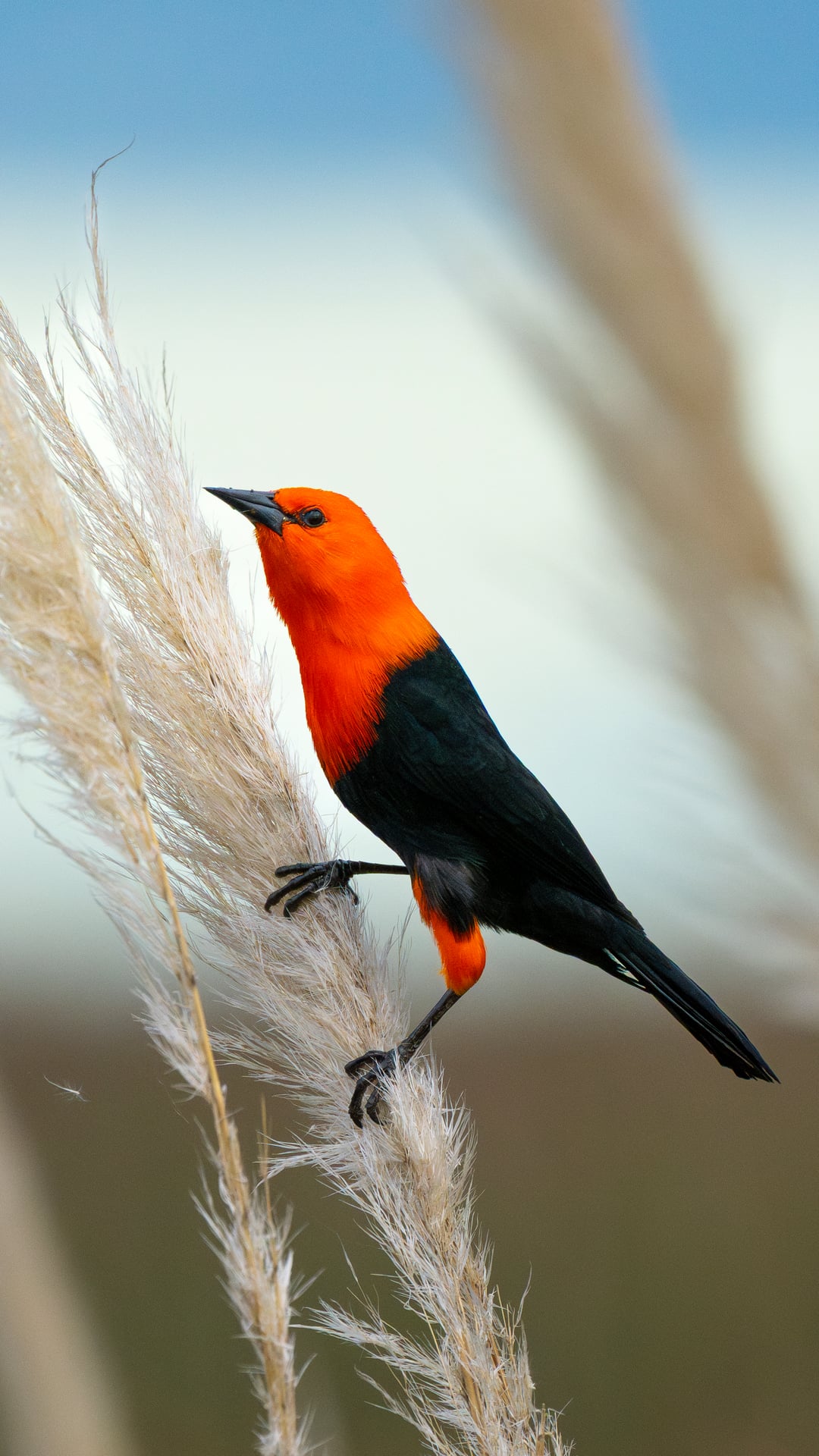
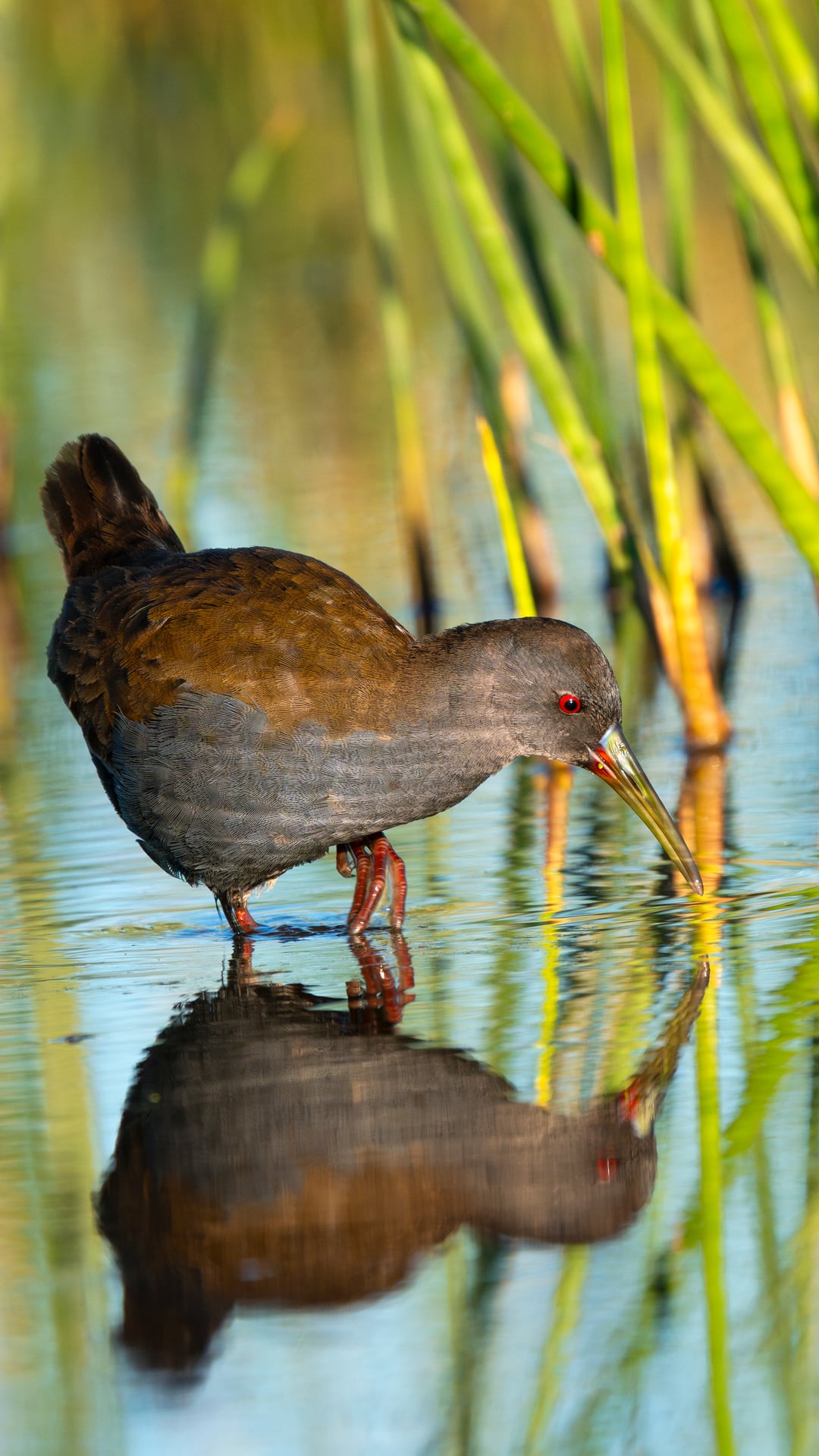
My work isn’t limited to birds. I’ve taken part in comprehensive biodiversity surveys and environmental assessments covering mammals, reptiles, amphibians and birds, especially in environments where threatened or hard-to-detect species survive. One of my greatest strengths is the patient, tireless search for rare animals: elusive species, poorly documented behaviors, encounters that demand long hours of waiting, reading the environment and accumulated experience. All of that field experience I’ve poured into scientific settings and specialized publications, convinced that the knowledge generated must serve both science and society.
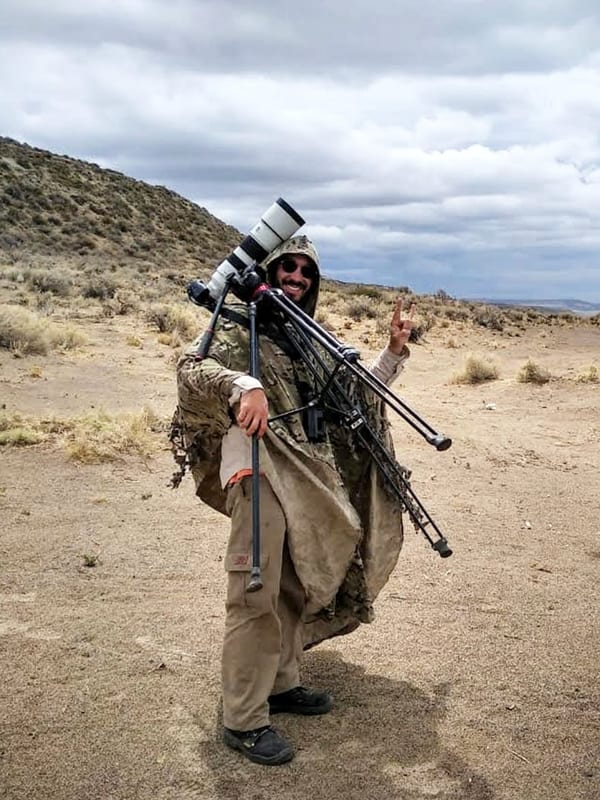
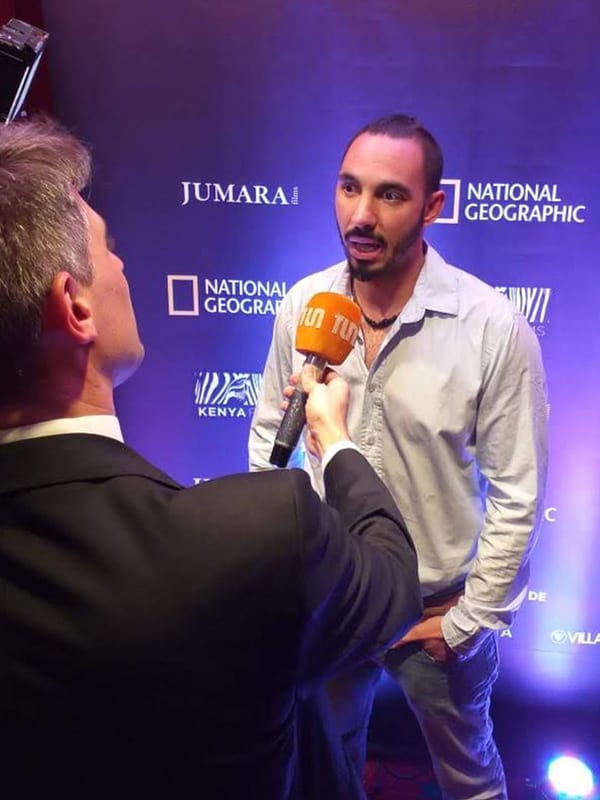
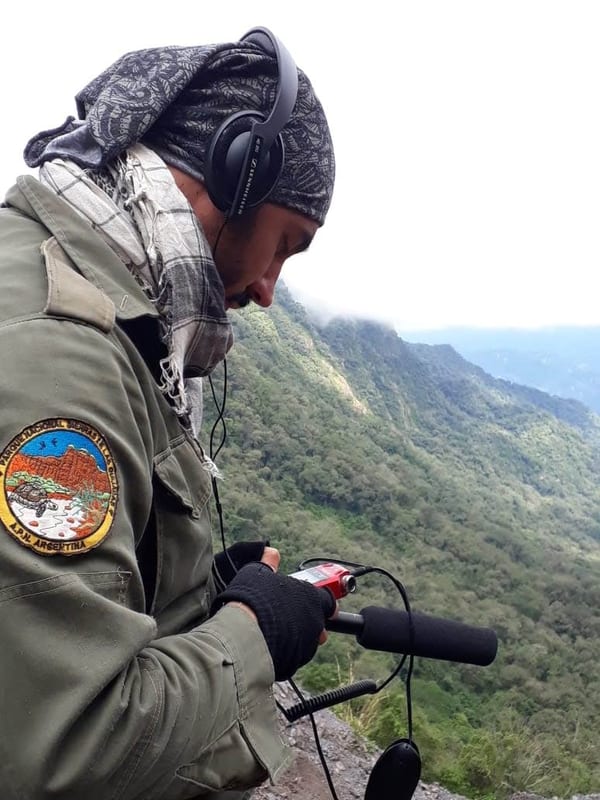
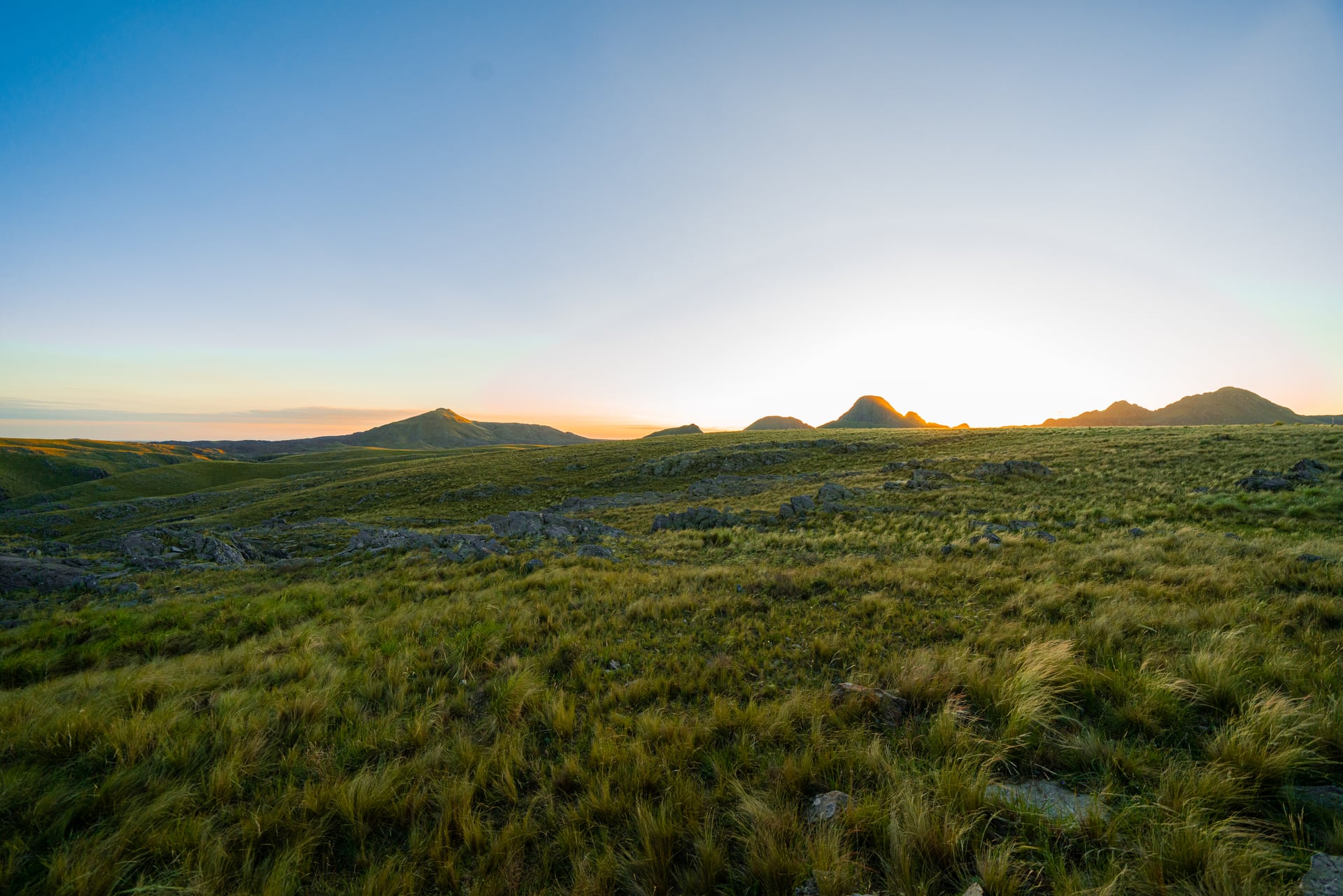
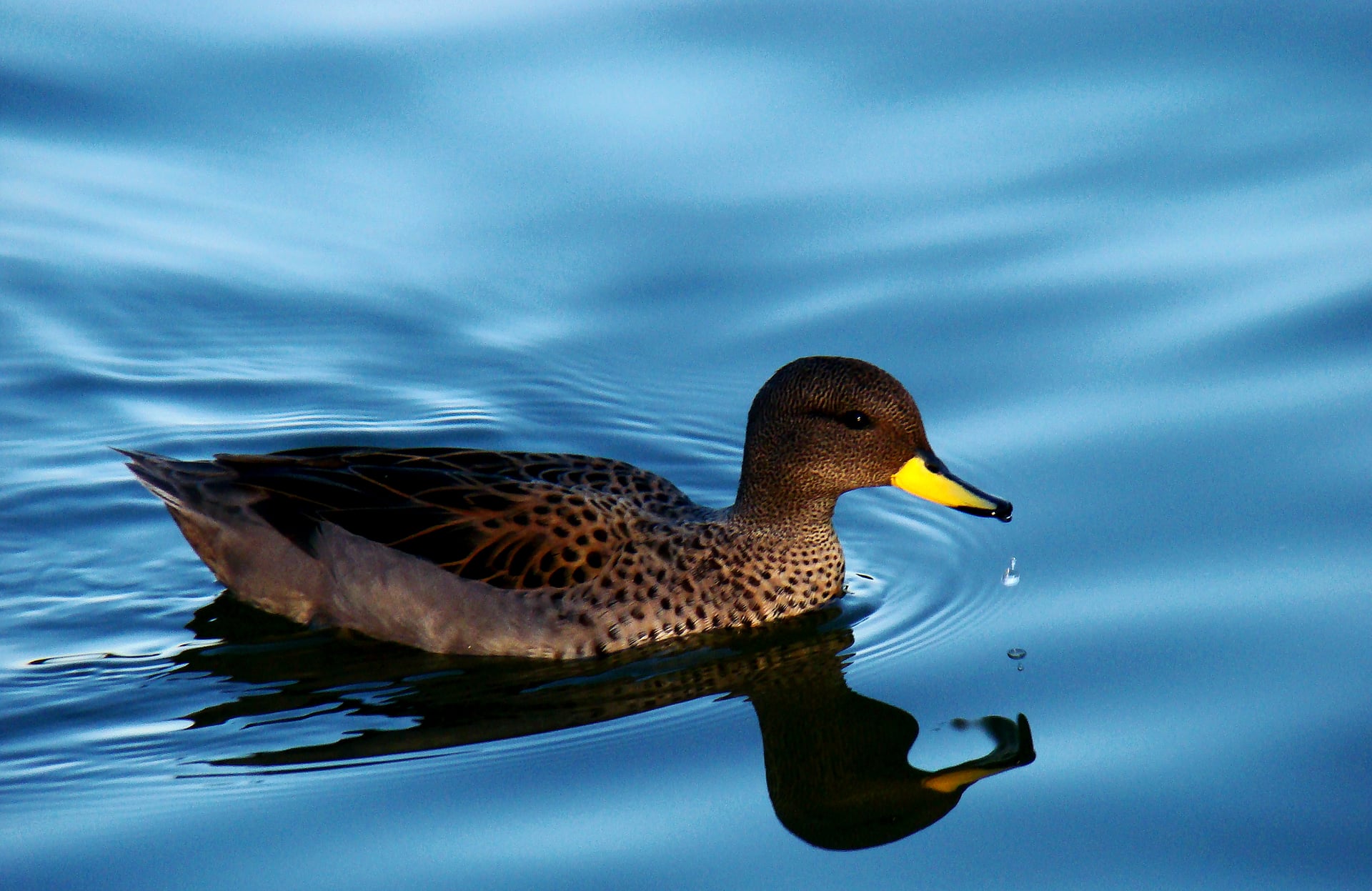
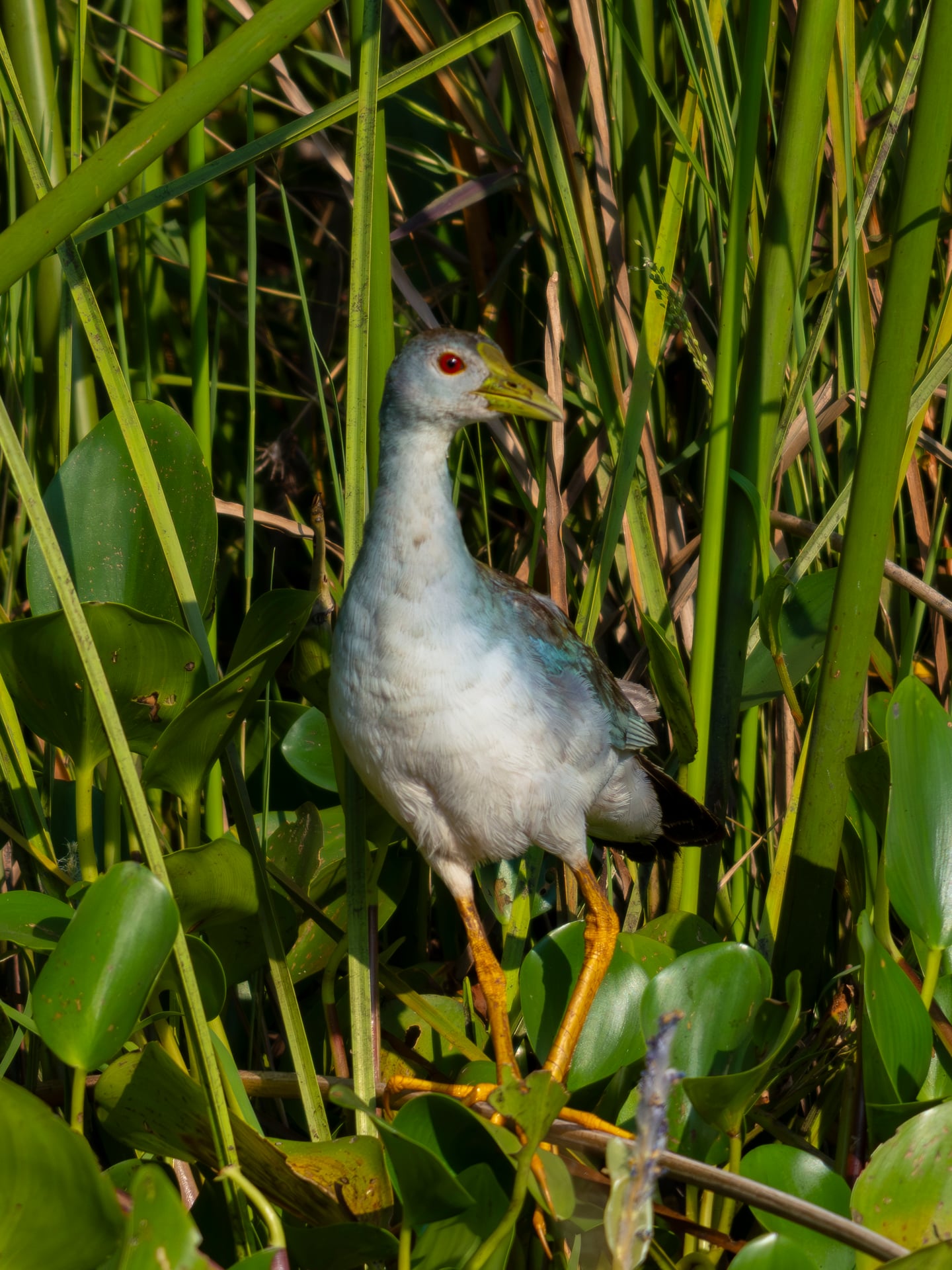
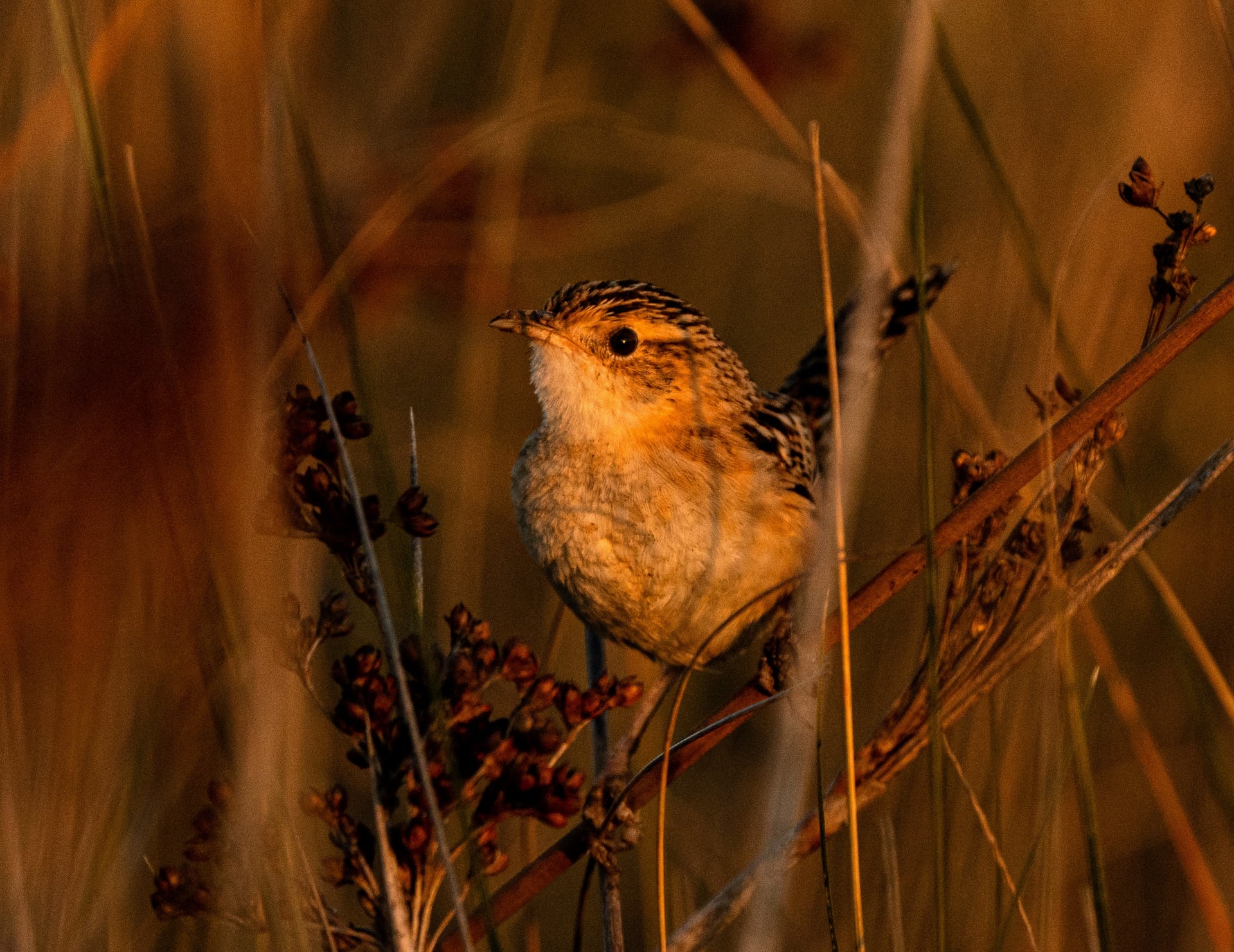
Audiovisual work and guiding are a natural extension of what I do. The camera lets me show what often stays invisible. Through images, videos and stories I try to bring wildlife closer to more people and create a real connection with what we can still come to know, value and conserve. When I guide, I like to accompany those who want to observe wildlife in a deep, respectful and authentic way. After so many years in the field, I’ve learned that what matters isn’t only finding a species: it’s understanding the landscape, interpreting the sounds, reading the movements and knowing how to wait.
The way I work is marked by commitment, persistence and an absolute dedication to every project, every outing and every story worth telling.